Maerua kirkii
F. White
CapparaceaeSeeds/Nuts

iNaturalist · cc-by
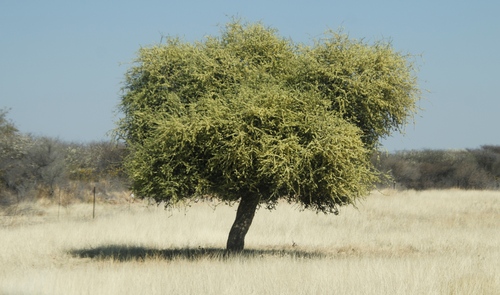
(c) i_c_riddell, some rights reserved (CC BY), uploaded by i_c_riddell
(c) i_c_riddell, some rights reserved (CC BY), uploaded by i_c_riddell

iNaturalist · cc-by-nc
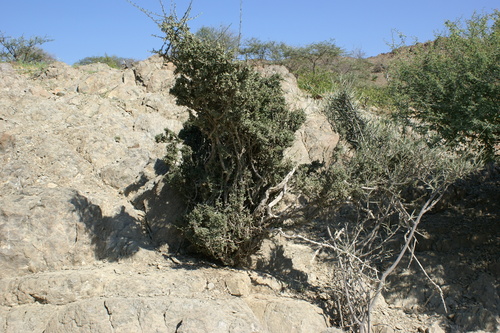
(c) Duncan McKenzie, some rights reserved (CC BY-NC)
(c) Duncan McKenzie, some rights reserved (CC BY-NC)
What to Eat
Edible parts: Nuts
The nuts are boiled and eaten.
Where to Find It
It is a tropical plant.
Africa, East Africa, Kenya, Zambia,
Countries: Angola, Burkina Faso, Burundi, Benin, Botswana, Congo (DRC), Central African Republic, Congo (Republic), Cote d'Ivoire, Cameroon, Cape Verde, Djibouti, Algeria, Egypt, Eritrea, Ethiopia, Gabon, Ghana, Gambia, Guinea, Equatorial Guinea, Guinea-Bissau, Kenya, Comoros, Liberia, Lesotho, Libya, Morocco, Madagascar, Mali, Mauritania, Mauritius, Malawi, Mozambique, Namibia, Niger, Nigeria, Rwanda, Seychelles, Sudan, Sierra Leone, Senegal, Somalia, South Sudan, Sao Tome & Principe, Eswatini, Chad, Togo, Tunisia, Tanzania, Uganda, South Africa, Zambia, Zimbabwe
How to Identify
A shrub or small tree. It grows 5 m tall. The leaves are simple and 4-12 cm long by 2-5 cm wide. They are shiny above and dull underneath. The flowers are in dense groups near the ends of branches. The flowers are white. The fruit are 1.7 cm across and round. There are 2-4 seeds that are 1 cm long by 0.5 cm wide.
References (3)
- Ichikawa, M., 1980, The Utilization of Wild Food Plants by the Suiei Dorobo in Northern Kenya. J. Anthrop. Soc. Nippon. 88(1): 25-48
- Mutie, F. G., 2020, Conservation of Wild Food Plants and Their Potential for Combatting Food Insecurity in Kenya as Exemplified by the Drylands of Kitui County. Plants 2020, 9, 1017
- Mutie, F. M., et al, 2023, Important Medicinal and Food Taxa (Orders and Families) in Kenya, Based on Three Quantitative Approaches. Plants 2023, 12, 1145