Polygala paniculata
L.
Island snake root
PolygalaceaeLeaves
iNaturalist · cc-by
(c) Lauren McLaurin, some rights reserved (CC BY)
(c) Lauren McLaurin, some rights reserved (CC BY)
iNaturalist · cc-by
(c) Lauren McLaurin, some rights reserved (CC BY)
(c) Lauren McLaurin, some rights reserved (CC BY)

iNaturalist · cc-by-nc
(c) Kim and Peter Connolly, some rights reserved (CC BY-NC)
(c) Kim and Peter Connolly, some rights reserved (CC BY-NC)
What to Eat
Edible parts: Leaves ?
Where to Find It
It is a tropical plant. It grows from sea level to 2,300 m above sea level.
Asia, Brazil, Central America, China, Nicaragua, Pacific, Panama, Samoa,
Countries: United Arab Emirates, Afghanistan, Armenia, Australia, Azerbaijan, Bangladesh, Bahrain, Brunei, Brazil, Bhutan, Belize, China, Costa Rica, Fiji, Micronesia, Georgia, Guatemala, Honduras, Indonesia, Israel, India, Iraq, Iran, Jordan, Japan, Kyrgyzstan, Cambodia, Kiribati, North Korea, South Korea, Kuwait, Kazakhstan, Laos, Lebanon, Sri Lanka, Marshall Islands, Myanmar, Mongolia, Maldives, Malaysia, Nicaragua, Nepal, Nauru, New Zealand, Oman, Panama, Papua New Guinea, Philippines, Pakistan, Palau, Qatar, Saudi Arabia, Solomon Islands, Singapore, El Salvador, Syria, Thailand, Tajikistan, Timor-Leste, Turkmenistan, Tonga, Turkey, Tuvalu, Taiwan, Uzbekistan, Vietnam, Vanuatu, Samoa, Yemen
How to Identify
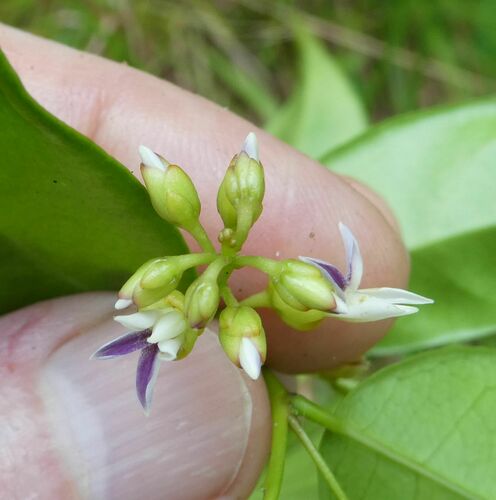
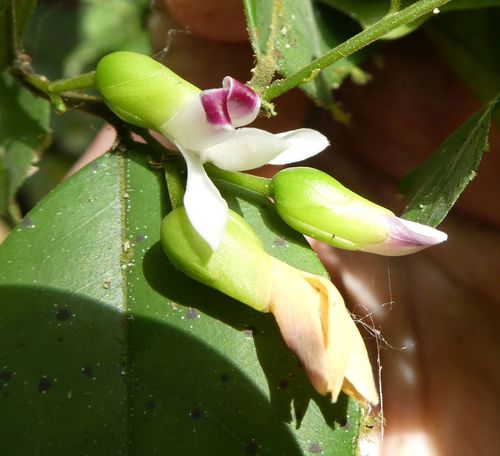
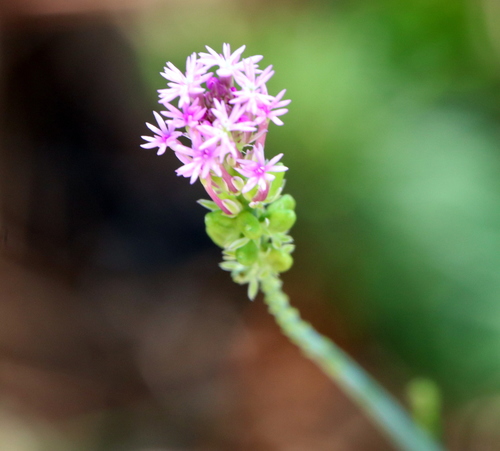
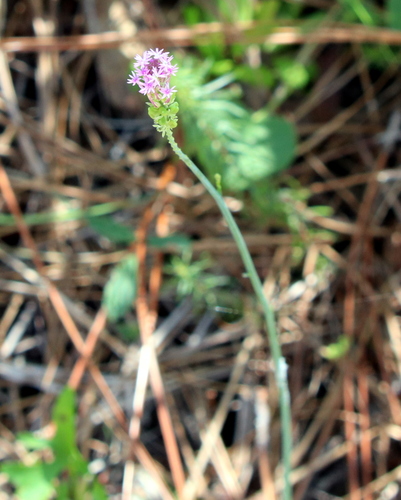
A herb. It grows each year from seed. It grows 10-50 cm tall. The tap root is yellow and has a scent. The leaves are 1-2 cm long and 2-4 mm wide. They are in rings of 5. The flowers are small and white. They are in groups at the ends of branches that are 2-10 cm long. The fruit is oblong. The seed have dense white hairs.
Names & Synonyms
Namupululola
References (2)
- Parham, B. E. V., 1972, Plants of Samoa. New Zealand Department of Scientific and Industrial Research. Information Series. No. 85 p 88
- World Checklist of Useful Plant Species 2020. Royal Botanic Gardens, Kew