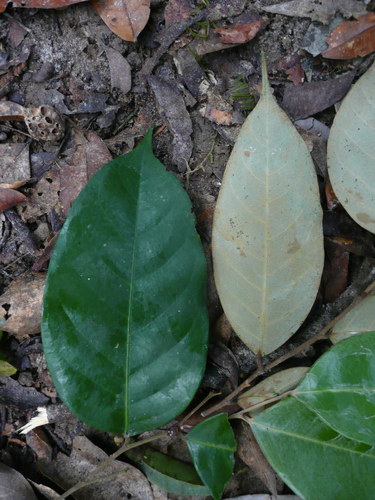
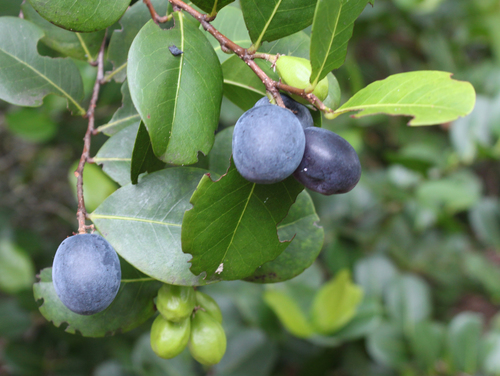
Acioa longipendula
(Pilg.) Sothers & Prance
Pendulum nut, Egg nut
ChrysobalanaceaeSeeds/Nuts

gbif · cc-by
Royal Botanic Gardens, Kew
Royal Botanic Gardens, Kew
What to Eat
Edible parts: Seed, Nut
The nuts can be eaten raw or ground into flour.
Where to Find It
It is a tropical plant.
Brazil*, South America,
How to Identify
A shrub or small tree. It grows 5 m tall. There are prickles along the stem. The leaves are twice divided and there are 8-18 pairs of pinnae. There are up to 50 pairs of pinnules on each pinnae. The flowers are yellow. They are in large clusters at the ends of branches. The pods are flattened.
How to Grow
Plants can be grown from fresh seeds.
Medicinal Uses
The nuts are traditionally used for food and flour preparation.
Names & Synonyms
Castanha-de-galinha, Castanha-pendula
Couepia longipendula Pilg.
References (2)
- Lopes, B., et al, 2021, Non-timber Amazonian Forest Products and Their Valuable Edible Nuts: Cutia Nut, Egg Nut, Sapucaia Nut and Brazil Nut. Journal of Agricultural Studies. Vol. 9.No.1
- World Checklist of Useful Plant Species 2020. Royal Botanic Gardens, Kew