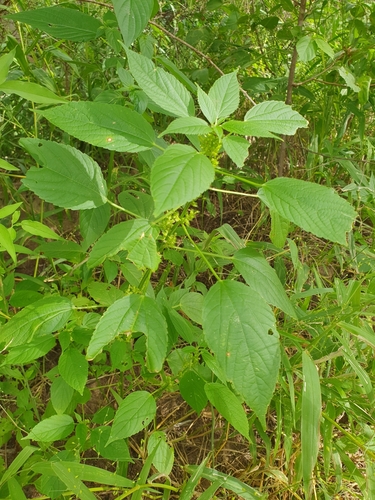
Acalypha paniculata
Miq.
Panicled acalypha
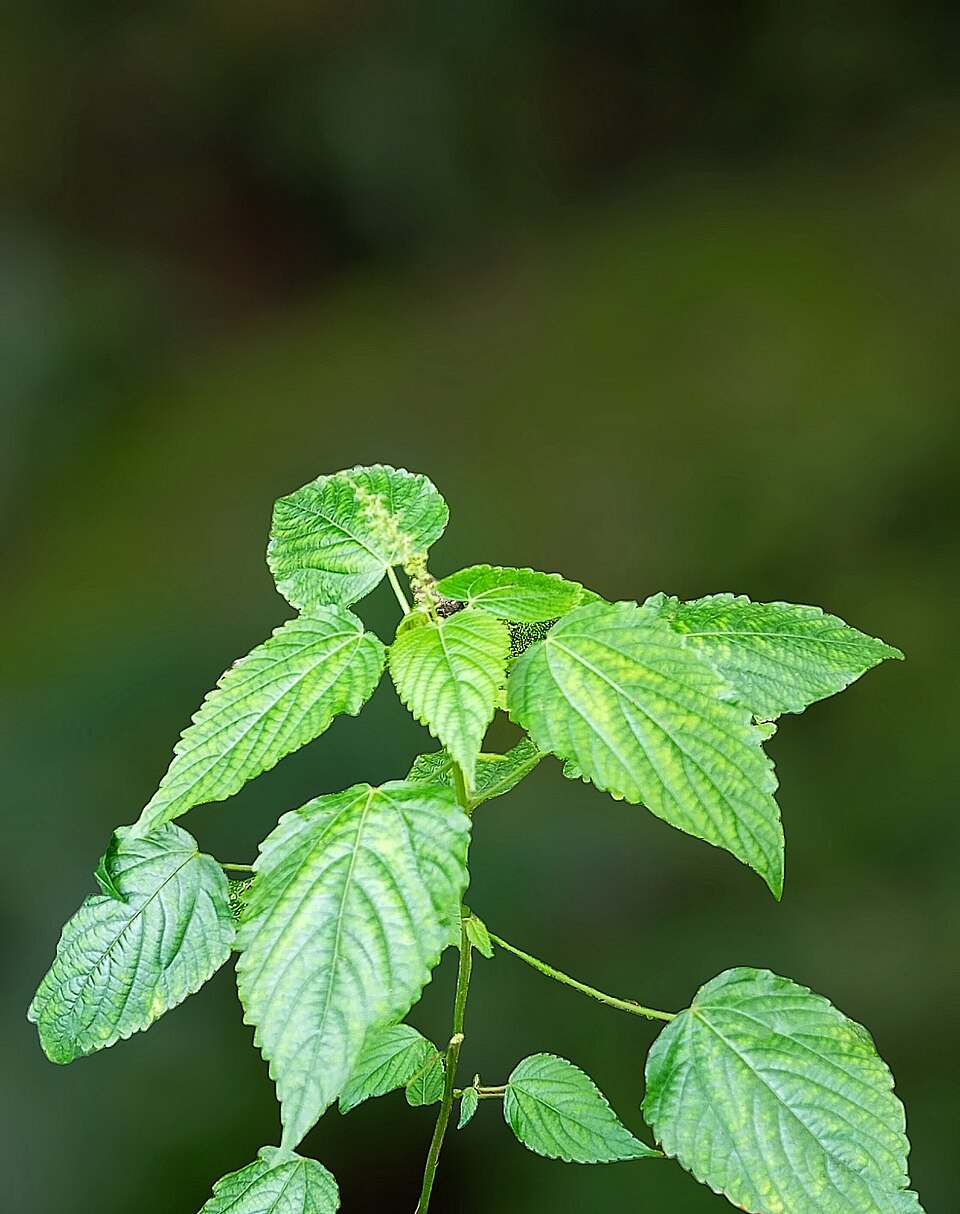
Wikimedia Commons - Nativeplants garden
What to Eat
Edible parts: Medicine, Caution
Leavs and young shoots - coked and eaten as a vegetable.
Known Hazards
Where to Find It
It is a tropical plant. It tends to grow in arid regions.
Africa, Angola, Benin, Burundi, Cameroon, Central Africa Republic, CAR, Chad, Congo DR, Congo R, Equatorial Guinea, Eritrea, Ethiopia, Ghana, India, Indonesia, Ivory Coast, Malawi, Maldives, Mozambique, Nigeria, Rwanda, Saudi Arabia, Sri Lanka, Sudan, Tanzania, Togo, Uganda, Yemen, Zimbabwe,
How to Identify
A shrub or small tree. It grows 5 m tall. There are prickles along the stem. The leaves are twice divided and there are 8-18 pairs of pinnae. There are up to 50 pairs of pinnules on each pinnae. The flowers are yellow. They are in large clusters at the ends of branches. The pods are flattened.
Medicinal Uses
Used in traditional medicine.
Names & Synonyms
Adavi kuppinta, Valia-kuppameni
References (1)
- World Checklist of Useful Plant Species 2020. Royal Botanic Gardens, Kew