Searsia somalensis
(Engl.) Moffett
AnacardiaceaeFruit

iNaturalist · cc-by-nc
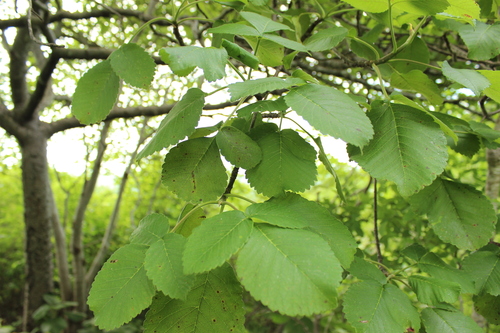
(c) Jean-François Olivier, some rights reserved (CC BY-NC), uploaded by Jean-François Olivier
(c) Jean-François Olivier, some rights reserved (CC BY-NC), uploaded by Jean-François Olivier

iNaturalist · cc-by-nc
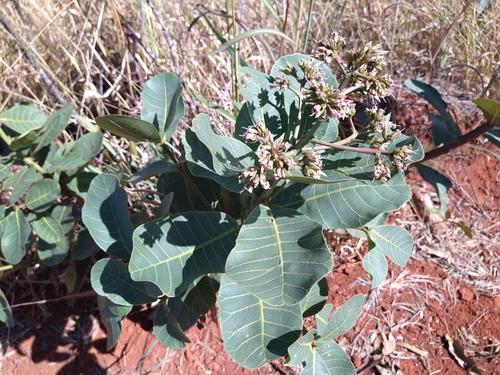
(c) karel, some rights reserved (CC BY-NC)
(c) karel, some rights reserved (CC BY-NC)
What to Eat
Edible parts: Fruit
Both green unripe and red ripe fruit are eaten raw or cooked.
Where to Find It
It is a Mediterranean climate plant. It grows between 1,340-2,370 m above sea level.
Mediterranean, Middle East, Oman, Somalia,
How to Identify
A shrub or small tree. It can grow 10 m tall. The branches have short hairs when young. The leaves are divided. The middle leaflet is oblong and 5-9.5 cm long by 3-5 cm wide. The side leaflets are shorter. The flowers are yellow. The fruit are fleshy and round and 4 mm across. They turn red.
Names & Synonyms
Dambalo areyna, Ilka cadeeye, Lafho
Rhus myriantha BakerRhus somalensis Engl.
References (1)
- Miller, A. G., Morris, M. & Stuart-Smith, S., 1988, Plants of Dhofar. The Southern Region of Oman, Traditional, Economic and Medicinal Uses. Sultanate of Oman. p 28 (As Rhus somaliensis)