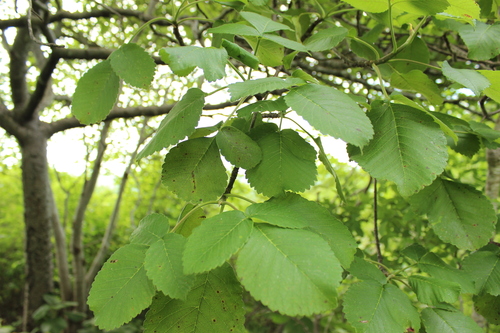
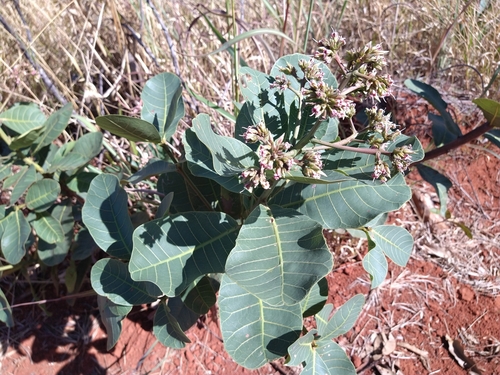
Pentaspadon velutinus
Hook.f.

(c) Nik Faizu Nik Hassan, some rights reserved (CC BY-NC), uploaded by Nik Faizu Nik Hassan
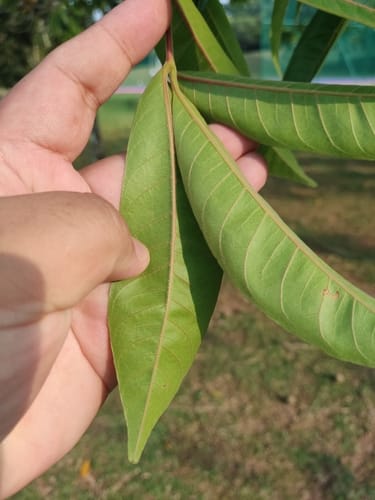
(c) Nik Faizu Nik Hassan, some rights reserved (CC BY-NC)
What to Eat
Edible parts: ?
Where to Find It
It is a tropical plant.
Asia, India, Indonesia, Malaysia, SE Asia, Thailand,
How to Identify
A large tree. It can grow 30-60 m tall. The trunk can be 45 cm across. It has buttresses 2.5 m high. The leaves have 3 pairs of leaflets. They are reddish-pink when young. The seed are 2 cm long by 0.7 cm wide.
Medicinal Uses
The latex obtained from the bark is used in the treatment of ringworm.
Other Uses
The heartwood is light yellow-green, darkening to grey-green on exposure and not clearly defined from the sapwood which is white or light yellow. The wood is fairly hard and heavy, moderately durable. The texture is fine and even, the grain straight to interlocked. The wood is easy to resaw and cross-cut, planing is easy and the planed surface is smooth. It has poor nailing property. The wood is suitable for interior finishing, panelling, partitioning, moulding, skirting, flooring, veneer and plywood, and other planking works.
Names & Synonyms
Pelajau, Pelong beludu
References (1)
- World Checklist of Useful Plant Species 2020. Royal Botanic Gardens, Kew