Chenopodium urbicum
L.
City goosefoot
(c) Eva Požárová, some rights reserved (CC BY-NC)

(c) urij777, some rights reserved (CC BY-NC)

(c) urij777, some rights reserved (CC BY-NC)
What to Eat
Edible parts: Leaves, Seeds
Young leaves can be cooked as a spinach substitute, though raw leaves should only be eaten in small quantities due to toxicity concerns. The seed can be cooked as a millet substitute, or ground into a powder and blended with cereal flours for making bread and similar foods. The seeds are small and fiddly; soak them overnight and rinse thoroughly before use to remove any saponins.
Known Hazards
Where to Find It
It is a temperate plant.
Balkans, Bosnia, Britain, Croatia, Europe,
How to Identify
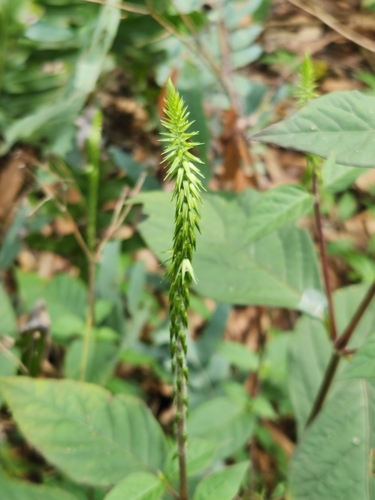
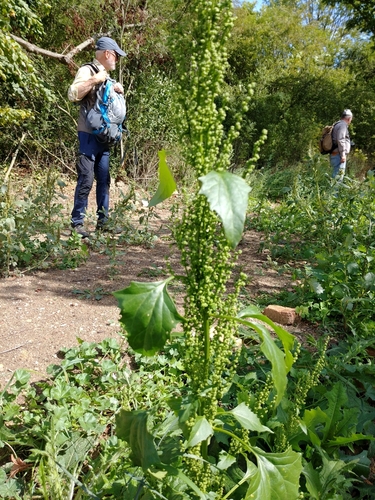
An annual herb growing to 0.6 m (2 ft) tall. Flowers August to September with seeds ripening August to October. Hermaphrodite and wind-pollinated. Tolerates light, medium, and heavy soils with mildly acid to basic pH. Requires full sun and prefers moist soil.
How to Grow
An easily grown plant, succeeding in most soils but disliking shade. It prefers a moderately fertile soil.
Propagation: Sow seed in spring directly in situ. Most of the seed typically germinates within a few days of sowing.
Medicinal Uses
None known.
Other Uses
Gold and green dyes can be obtained from the whole plant.
Wikipedia
An annual herb growing to 0.6 m (2 ft) tall. Flowers August to September with seeds ripening August to October. Hermaphrodite and wind-pollinated. Tolerates light, medium, and heavy soils with mildly acid to basic pH. Requires full sun and prefers moist soil.
References (1)
- Luczaj, L. et al, 2014, Wild Food Plants of Dalmatia (Croatia). in A. Pieroni, C. L. Quave (eds.), Ethnobotany and Biocultural Diversities in the Balkans, p 138, 142