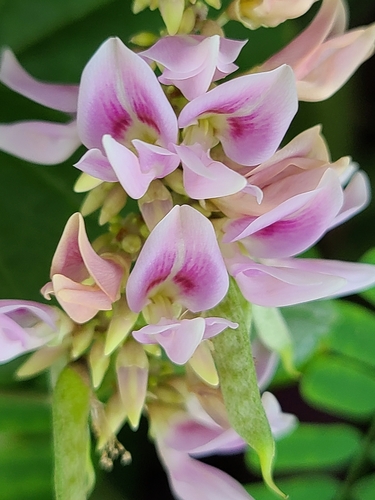
Prosopis ferox
Griseb.
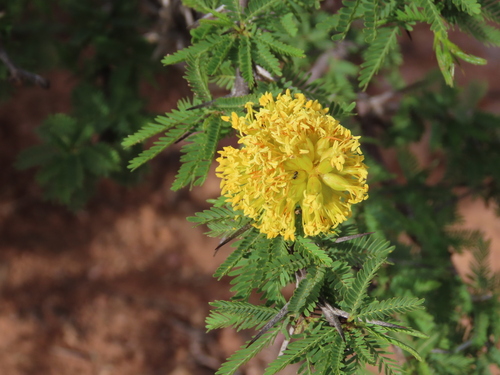
(c) Nicolas Olejnik, some rights reserved (CC BY)
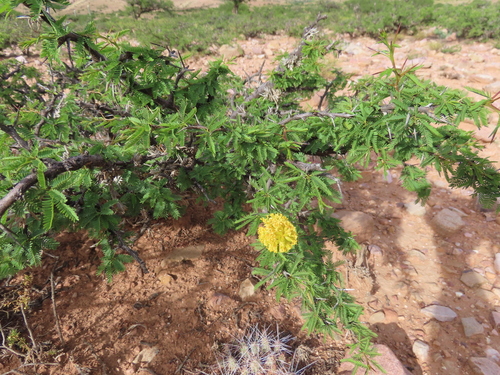
(c) Nicolas Olejnik, some rights reserved (CC BY)

(c) Martin Arregui, some rights reserved (CC BY-NC)
What to Eat
Edible parts: Fruit ?
Fruits. The seedpods of many Prosopis species contain a fleshy pulp that is edible, usually with a sweet flavour. We have no specific information for this species other than the seedpod is 25 - 70mm long, 10 - 18mm wide, containing a layer of bitter pulp.
Where to Find It
It is a subtropical plant. It grows in semi-desert places. It usually occurs between 2,400-3,700 m above sea level.
Argentina, Bolivia, South America,
How to Identify
A shrub or small tree. It has spines. It grows 2-7 m tall. It has a short trunk that can be 1 m across. The seed pods are 25-70 mm long by 10-18 mm wide. They contain bitter pulp.
How to Grow
The seeds probably germinate better after being in warm water.
Propagation: Like many species within the family Fabaceae, once they have ripened and dried the seeds of this species may benefit from scarification before sowing in order to speed up and improve germination. This can usually be done by pouring a small amount of nearly boiling water on the seeds (being careful not to cook them!) and then soaking them for 12 - 24 hours in warm water. By this time they should have imbibed moisture and swollen - if they have not, then carefully make a nick in the seedcoat (being careful not to damage the embryo) and soak for a further 12 hours before sowing.
Other Uses
The wood is usually of small dimensions, but is used locally for various purposes. The wood is a good quality fuel. The tree can be used for reforestation purposes in arid climates, though the related Prosopis tamarugo is generally considered a better choice for this purpose, being larger, faster-growing and less spiny.
References (1)
- Ferns, K., Useful Tropical Plants.