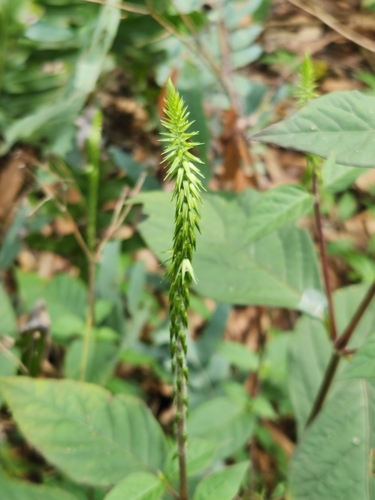
Chenopodium spp.
Various
Perennial quinoa

Tracie McMahon

Tracie McMahon

Tracie McMahon
What to Eat
Edible parts: Leaves, Seed
Edible portion: Leaves, Seeds, Vegetable. Seed - cooked[ 1 , 2 , 4 , 27 , 57 , 97 ]. A pleasant mild flavour, the seed can absorb the flavour of other foods that are cooked with it and so it can be used in a wide variety of ways. The protein is good quality because of its amino acid balance. It has 2-6% more protein and better amino acid balance than wheat. It should be thoroughly soaked and rinsed to remove a coating of saponins on the seed surface. The seed can be used in all the ways that rice is used, as a savoury or sweet dish. It can also be ground into a powder and used as a porridge. The seed can also be sprouted and used in salads though many people find the sprouted seed unpleasant. The seed contains a very high quality protein that is rich in the amino acids lysine, methionine and cystine, it has the same biological value as milk. The seed contains about 38% carbohydrate, 19% protein, 5% fat, 5% sugar. Leaves - raw or cooked. The young leaves are cooked like spinach. It is best not to eat large quantities of the raw leaves, see the notes above on toxicity.
Known Hazards
Where to Find It
Chenopodium is a genus of numerous species of perennial or annual herbaceous flowering plants known as the goosefoots, which occur almost anywhere in the world including Africa, Australasia, North America, Europe, and Oceania, (even, apparently in Antarctica).
Coming Soon
How to Identify
Chenopodium spp. is a PERENNIAL growing to 2 m (6ft) by 0.3 m (1ft in) at a fast rate. See above for USDA hardiness. It is hardy to UK zone 4. Suitable for: light (sandy), medium (loamy) and heavy (clay) soils, prefers well-drained soil and can grow in nutritionally poor soil. Suitable pH: mildly acid, neutral and basic (mildly alkaline) soils and can grow in very acid, very alkaline and saline soils. It cannot grow in the shade. It prefers dry or moist soil and can tolerate drought. The plant can tolerates strong winds but not maritime exposure.
How to Grow
Hypothetical Crop Management: Standard. Climate: cold temperate to subtropical, tropical highlands. Humidity: humid. A cultivated food crop. A plant of higher elevations in the tropics, it has also been successfully grown in the temperate and subtropical zones. Plants tolerate light frosts at any stage in their development except when flowering. An easily grown plant, it requires a rich moist well-drained soil and a warm position if it is to do really well, but it also succeeds in less than optimum conditions. Tolerates a pH range from 6 to 8.5 and moderate soil salinity. Plants are quite wind resistant. Plants are drought tolerant once they are established. The plant is day-length sensitive and many varieties fail to flower properly away from equatorial regions, however those varieties coming from the south of its range in Chile are more likely to do well in Britain. Different cultivars take from 90 - 220 days from seed sowing to harvest. Yields as high as 5 tonnes per hectare have been recorded in the Andes, which compares favourably with wheat in that area. Young plants look remarkably like the common garden weed fat hen (Chenopodium album). Be careful not to weed the seedlings out in error. The seed is not attacked by birds because it has a coating of bitter tasting saponins. These saponins are very easily removed by soaking the seed overnight and then thoroughly rinsing it until there is no sign of any soapiness in the water. The seed itself is very easy to harvest by hand on a small scale and is usually ripe in August. Cut down the plants when the first ripe seeds are falling easily from the flower head, lay out the stems on a sheet in a warm dry position for a few days and then simply beat the stems against a wall or some other surface, the seed will fall out easily if it is fully ripe and then merely requires winnowing to get rid of the chaff. Carbon Farming Solutions - Cultivation: hypothetical. Management: standard (Describes the non-destructive management systems that are used in cultivation).
Propagation: Seed - sow April in situ. The seed can either be sown broadcast or in rows about 25cm apart, thinning the plants to about every 10cm. Germination is rapid, even in fairly dry conditions. Be careful not to weed out the seedlings because they look very similar to some common garden weeds.
Medicinal Uses
Some medical properties. See individual plants for example: Chenopodium album, Chenopodium ambrosioides, Chenopodium ambrosioides anthelminticum
Other Uses
Gold/green dyes can be obtained from the whole plant. Saponins on the seed can be used as a bird and insect deterrent by spraying them on growing plants. The saponins are obtained by saving the soak-water used when preparing the seed for eating. The spray remains effective for a few weeks or until washed off by rain.
Names & Synonyms
Chenopodium species. Quinoa species