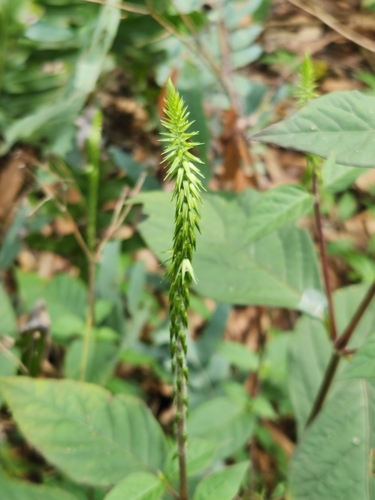
Zea hybrids
Various
Perennial corn, Perennial Maize
What to Eat
Edible parts: Oil, Pollen, Seed, Stem
Carbon Farming Solutions - Staple Crop: balanced carb (The term staple crop typically refers to a food that is eaten routinely and accounts for a dominant part of people's diets in a particular region of the world). Maize/corn is one of the most important staple crops on the planet. The Land Institute has made substantial progress developing a perennial corn. Researchers believe it will be between 10 and 40 years before it is fully ready. Recently the US Department of Agriculture has shown interest.
Where to Find It
Hypothetical hybrid.
Coming Soon
How to Identify
Zea hybrids is a PERENNIAL growing to 2 m (6ft) by 0.3 m (1ft in) at a fast rate. See above for USDA hardiness. It is hardy to UK zone 8. The flowers are pollinated by Wind. Suitable for: light (sandy), medium (loamy) and heavy (clay) soils and prefers well-drained soil. Suitable pH: mildly acid, neutral and basic (mildly alkaline) soils. It cannot grow in the shade. It prefers moist soil.
How to Grow
Management: Standard Staple Crop: Balanced carb Under Development. Climate: cold temperate to tropical, tropical highlands. Humidity: semi-arid to humid. Carbon Farming Solutions - Cultivation: under development. Management: standard (Describes the non-destructive management systems that are used in cultivation).
Propagation: Hypothetical crop
Medicinal Uses
The annual Zea mays has a number of medical properties so in theory hybrids could too.
Other Uses
Oil. Perennial hybrids will carry some of the qualities of the original species. Zea mays for example has agroforestry uses being grown as a sole crop or in intercropping with other food crops such as common bean, cowpea, pigeon pea, groundnut, yam, cassava, sweet potato, pumpkin, melon or watermelon. Maize grows well with early potatoes, legumes, dill, cucurbits and sunflowers, it dislikes growing with tomatoes. Other Uses include a starch is obtained from the seed. It is used as a laundry starch and as a source material for many chemical products, including glues, cosmetics and the manufacture of glucose. A semi-drying oil is obtained from the seed. It has many industrial uses, in the manufacture of linoleum, paints, varnishes, soaps etc. The corn spathes are used in the production of paper, straw hats and small articles such as little baskets. They are often used to wrap foods, and may also be made into cloth or mats, and be used for mattress filling. A fibre obtained from the stems and seed husks is used for making paper. They are harvested in late summer after the seed has been harvested, they are cut into usable pieces and soaked in clear water for 24 hours. They are then cooked for 2 hours in soda ash and then beaten in a ball mill for 1½ hours in a ball mill. The fibres make a light greenish cream paper. Be careful not to overcook the fibre otherwise it will produce a sticky pulp that is very hard to form into paper. The dried cobs are used as a fuel and for thatching. The pith of the stems is used as a packing material.
Names & Synonyms
Perennial corn, Perennial Maize, Zea hybrids