Lecythis minor
Jacq.
Coco de mono

(c) Joel Abroad, some rights reserved (CC BY-NC-SA)

Photo by David J. Stang (via Wikimedia Commons)
What to Eat
Edible parts: Oil, Seed
Oil. Seed - raw or roasted. An excellent flavour. The seed is rich in oil, protein and B vitamins.
Known Hazards
Where to Find It
Northwestern S. America - Colombia, Venezuela.
SOUTHERN AMERICA: Venezuela, Colombia
How to Identify
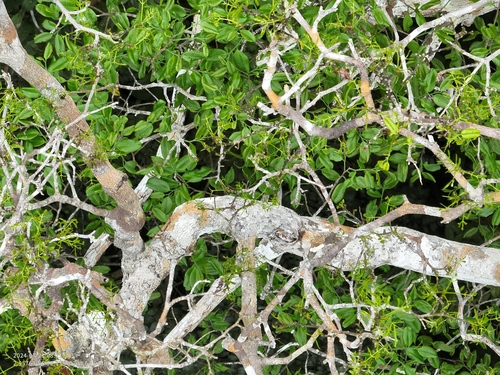
Lecythis minor is an evergreen Tree growing to 15 m (49ft) by 15 m (49ft) at a medium rate. See above for USDA hardiness. It is hardy to UK zone 10. Suitable for: light (sandy), medium (loamy) and heavy (clay) soils and prefers well-drained soil. Suitable pH: mildly acid, neutral and basic (mildly alkaline) soils. It cannot grow in the shade. It prefers moist soil.
How to Grow
Prefers a deep, fertile soil.
Propagation: Seed -
Other Uses
Oil Wood. Other Uses We have no specific information on the wood of this species. A general description of the wood from this genus is as follows:- The heartwood is light to dark salmon; the sapwood is creamy-yellow. The texture is medium fine and uniform; the grain fairly straight or slightly interlocked; lustre is mostly low but high in some species; there is no distinctive odour or taste. The wood is reported to be very durable upon exposure to both a white-rot and a brown-rot fungus confirming its reputation for high resistance to decay; it is also highly resistant to dry-wood termites and is reported to be moderately resistant to marine borer attack. It is rated as easy to moderately difficult to air season, depending on species; a slow to rapid drying rate is reported; warp and checking ranged from slight to moderate. The wood is moderately difficult to work because of its high density; however, surfaces obtained in planing, boring, sawing, and shaping were smooth and rated as good to excellent. Silica content varies with species and dulling of cutters is also variable. The wood is used for purposes such as heavy construction, ship keels and beams, railroad crossties, industrial flooring and other uses requiring high impact resistance (wagon wheels, tool handles), turnery.
Names & Synonyms
Coco de mono - Spanish