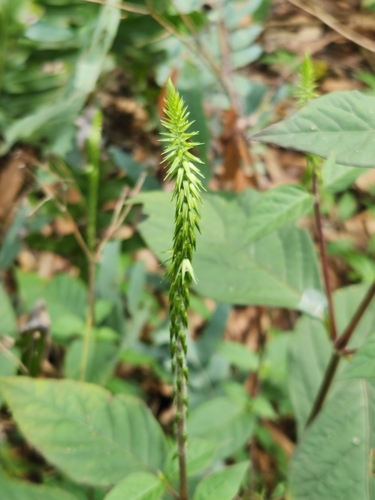
Sorghum hybrids
Various
Perennial Sorghum
What to Eat
Edible parts: Seed, Stem
Carbon Farming Solutions - Staple Crop: balanced carb, sugar (The term staple crop typically refers to a food that is eaten routinely and accounts for a dominant part of people's diets in a particular region of the world).
Known Hazards
Where to Find It
Origin: Hypothetical hybrid. Sorghum species range extend to Australia, Africa, Asia, Mesoamerica, and certain islands in the Indian and Pacific Oceans.
A hypothetical hybrid. Sorghum species range extend to Australia, Africa, Asia, Mesoamerica, and certain islands in the Indian and Pacific Oceans.
How to Identify
Sorghum hybrids is a PERENNIAL growing to 3 m (9ft) by 1 m (3ft 3in) at a fast rate. See above for USDA hardiness. It is hardy to UK zone 7. Suitable for: light (sandy), medium (loamy) and heavy (clay) soils and prefers well-drained soil. Suitable pH: mildly acid, neutral and basic (mildly alkaline) soils. It cannot grow in the shade. It prefers dry or moist soil and can tolerate drought.
How to Grow
Propagation: Seed - sow April in a greenhouse and only just cover the seed. Germination should take place within 2 weeks. Prick out the seedlings into individual pots once they are large enough to handle and plant them out after the last expected frosts. Division in mid spring as the plant comes into new growth. Larger divisions can be planted out direct into their permanent positions. We have found it best to pot up the smaller divisions and grow them on in a lightly shaded position in a cold frame, planting them out once they are well established in the summer.
Medicinal Uses
Possible. For example Sorghum bicolor is Astringent, Demulcent, Diuretic, and Haemostatic. Sorghum halepense is Demulcent and Diuretic.
Other Uses
Possible but not reported. Sorghum halepense is a good biomass plant. The plant is a potential source of biomass with yields of up to 19 tonnes per hectare. Sorghum bicolor has been used as Biomass, Brooms, and for Weaving. The flowering panicles are used as brushes brooms and whisks etc. Stems are used for weaving fences, mats, wattle houses etc. The plant is an excellent source of biomass.
Names & Synonyms
Perennial Sorghum, Sorghum hybrids, Sorghum, Common sorghum, Grain sorghum, Sudangrass, Johnson Grass