Lecythis corrugata
Poit.
Mahot rouge, Guacharaco

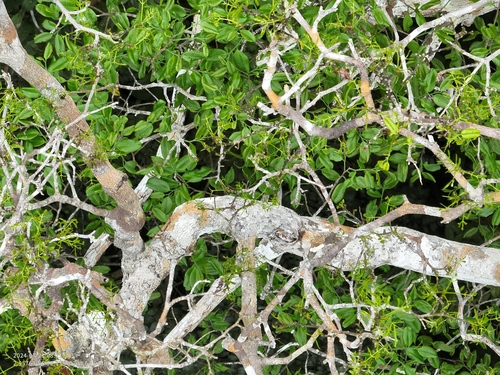
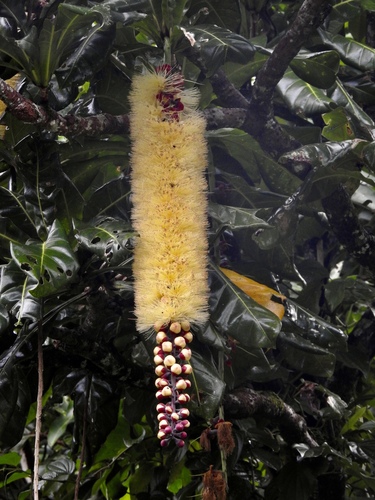
(c) Elendil Cocchi, some rights reserved (CC BY-NC), uploaded by Elendil Cocchi

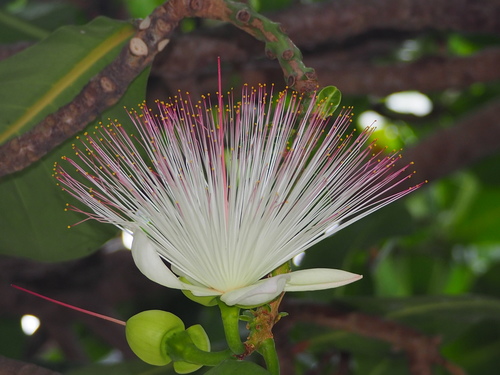
(c) Jean-Philippe BASUYAUX, some rights reserved (CC BY-NC), uploaded by Jean-Philippe BASUYAUX
What to Eat
Edible parts: Oil
Oil. Staple Crop Protein-Oil
Where to Find It
S. America - northern Brazil, Venezuela, the Guyanas.
SOUTHERN AMERICA: French Guiana, Guyana, Suriname, Venezuela (Amazonas, Apure, Bolívar, Delta Amacuro, Mérida, Táchira, Zulia), Brazil (Pará, Amapá, Roraima)
How to Identify
Lecythis corrugata is an evergreen Tree growing to 25 m (82ft) by 20 m (65ft) at a medium rate. See above for USDA hardiness. It is hardy to UK zone 10. The flowers are pollinated by Bees, insects. Suitable for: light (sandy), medium (loamy) and heavy (clay) soils and prefers well-drained soil. Suitable pH: mildly acid, neutral and basic (mildly alkaline) soils. It cannot grow in the shade. It prefers moist soil.
How to Grow
Management: Standard Regional Crop Staple Crop: Protein-oil. Tropical and humid
Propagation: Seed
Medicinal Uses
An infusion of the bark is used to treat diarrhoea. A decoction of the bark is poured onto cuts in order to accelerate the healing process.
Other Uses
Oil. The inner bark is long and stiingy like that of the Lime-tree (Tilia spp.). The inner bark of the lime is a source of fibre - is this bark used similarly?. The heartwood is a reddish or greyish-brown; it is not clearly demarcated from the 4cm wide band of light brown sapwood. The grain is fine and dense, the wood cold and smooth to the touch with a peculiar smell when worked, but no discernible taste when seasoned. It is heavy; hard, becoming harder with age; exceedingly strong and hard to break transversely; durable to very durable. There are differing reports on its ability to resist the attacks of toredo and barnacles. It is widely recognized for its high resistance to marine borers. The wood is very hard to saw and plane; it is fissile, taking nails badly; it turns and polishes indifferently, except in the best qualities; it cleaves straight. The wood is not very ornamental, but can be used for house-framing, wharves and sluices.
Names & Synonyms
Mahot rouge, Guacharaco