Lysichiton americanus
Hult.&St.John
Yellow Skunk Cabbage, American skunkcabbage

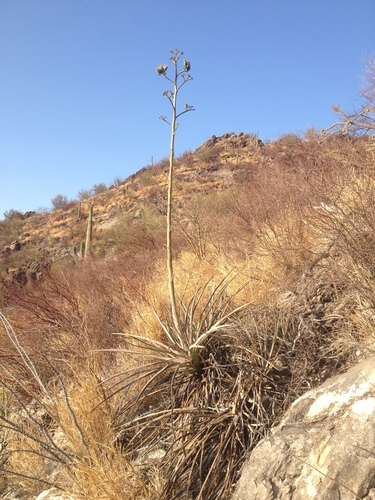
(c) judith holm, some rights reserved (CC BY-NC-ND), uploaded by judith holm

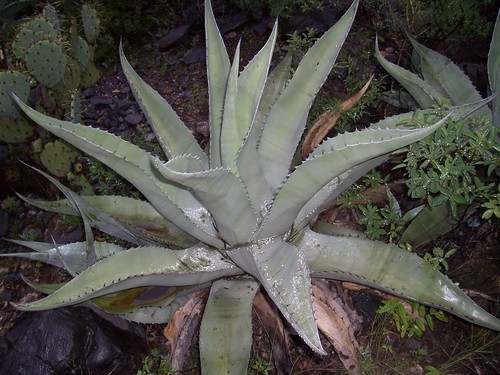
(c) Barbara L. Wilson, some rights reserved (CC BY-NC), uploaded by Barbara L. Wilson

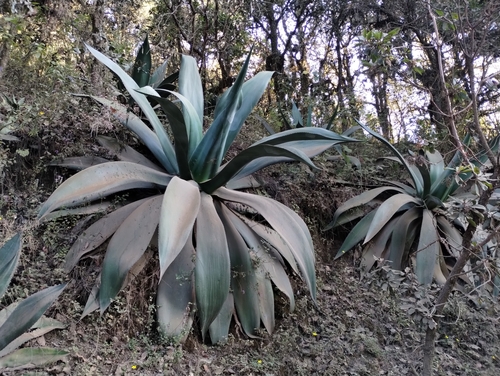
(c) emrenpen, some rights reserved (CC BY-NC), uploaded by emrenpen
What to Eat
Edible parts: Leaves, Root, Shoots
Young shoots - these must be thoroughly cooked otherwise they are poisonous. The native North American Indian tribes would cook them in several changes of water, the end result being a tasteless mush. The leaves can be dried then powdered and used as a thickening agent. Older leaves have been used to wrap up food that was being baked. The leaves would impart a pleasant flavouring to the food. Young flower stalks - cooked. Only used when there was a shortage of other foods, the stalks must be thoroughly cooked or else they are poisonous. It is said that no more than three stalks should be consumed at one meal. Root - cooked. It must be thoroughly cooked or dried before use, otherwise it is poisonous. Rich in starch, a flour can be made from the dried and ground root. The root has a hot flavour, somewhat like ginger. The root is best harvested in the autumn.
Known Hazards
Where to Find It
Western N. America. Sometimes naturalized in Britain.
NORTHERN AMERICA: United States (Alaska (south), Idaho, Montana (west), Oregon, Washington, California (northwest)), Canada (British Columbia)
How to Identify
Lysichiton americanus is a PERENNIAL growing to 1 m (3ft 3in) by 0.8 m (2ft 7in) at a slow rate. See above for USDA hardiness. It is hardy to UK zone 6. It is in flower in April, and the seeds ripen from June to July. The species is hermaphrodite (has both male and female organs) and is pollinated by Insects. Suitable for: light (sandy), medium (loamy) and heavy (clay) soils. Suitable pH: mildly acid, neutral and basic (mildly alkaline) soils. It can grow in semi-shade (light woodland) or no shade. It prefers wet soil and can grow in water.
How to Grow
Requires a wet or damp humus-rich soil in full sun or semi-shade. Plants often do not flower when grown in the shade. Grows well by water or in the bog garden. Succeeds in shallow water and also in still or flowing water. Hardy to at least -15°c. Young plants require protection from slugs. Plants are slow to establish at first, taking some years, but can then become naturalized and often self-sow. The flowers have an unpleasant aroma which is rather like a combination of skunk, carrion and garlic. This smell attracts flies and midges in great numbers to pollinate the flowers and so spiders tend to like making their webs in the plant so they can catch lots of food. Hybridizes with L. camtschatcense.
Propagation: The seed is best sown as soon as it is ripe in pots in a cold frame. Keep very moist, preferably by emmersing the pot in 2 -3 cm of water. Germination is usually good, taking place within 1 - 2 months at 15°c. When they are large enough to handle, prick the seedlings out into individual pots and grow them on in trays of water in the greenhouse for at least their first winter. Plant them out into their permanent positions in late spring or early summer, after the last expected frosts. Division in the middle of autumn or mid to late winter, but no later than this because the plant will be coming into growth.
Medicinal Uses
Antispasmodic Blood purifier Poultice Styptic. Antispasmodic, styptic. Yellow skunk cabbage was employed medicinally by several native North American Indian tribes who used it mainly as a poultice to treat a variety of complaints. It is little, if at all, used in modern herbalism. Caution is advised, especially if using the plant internally, see the notes above on toxicity. A poultice of roots has been applied to swellings, sores, boils, burns and rheumatic joints. A poultice of the heated blossoms has been applied to rheumatic joints. A poultice of the leaves has been applied to scrofulous sores, burns, cuts, swellings and chest pains. Heated leaves have been applied tot he body in order to draw out splinters and thorns. The leaves have also been used as a general tonic in a herbal sweat bath. The raw root has been chewed by women in order to secure an abortion. A decoction of the root has been drunk as a blood purifier.
Other Uses
Containers Lining Waxed paper. The leaves are large and water repellent, they can be used as a 'waxed paper' and also for lining fruit baskets etc and for wrapping food in for baking. They were also folded and used as containers for collecting berries, as drinking cups and as a covering or mat for food that was being dried. The plants have very large leaves and form a slowly spreading clump. They can be grown as a ground cover, spaced about 1 metre apart each way.