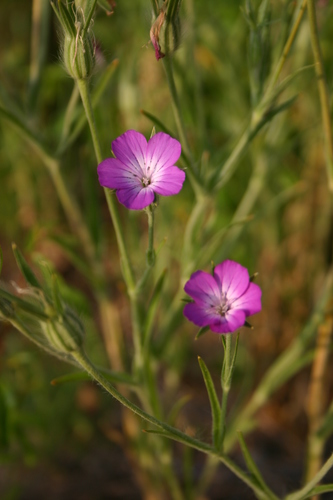
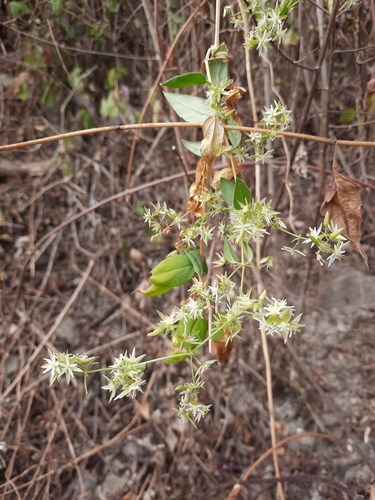
Stellaria graminea
L.
Lesser stitchwort

(c) dmbeard, some rights reserved (CC BY-NC), uploaded by dmbeard

(c) Igor Kuzmin, some rights reserved (CC BY-NC), uploaded by Igor Kuzmin

(c) Steve Chilton, some rights reserved (CC BY-NC-ND)
What to Eat
Edible parts: Shoots
Leaves and shoots used in salads or lightly cooked as a vegetable. Harvest young shoot in spring to summer.
Known Hazards
Where to Find It
Native to Eurasia but it is widespread around other parts of the temperate world as an introduced species and a common weed.
TEMPERATE ASIA: Afghanistan, Iran, Turkey, Russian Federation-Ciscaucasia (Ciscaucasia), Russian Federation-Western Siberia (Western Siberia), Russian Federation-Eastern Siberia (Eastern Siberia), Kazakhstan, Kyrgyzstan, Tajikistan, Uzbekistan, Mongolia, China TROPICAL ASIA: India, Nepal, Pakistan EUROPE: Denmark, Finland, United Kingdom, Ireland, Norway, Sweden, Austria, Belgium, Switzerland, Czech Republic, Germany, Hungary, Netherlands, Poland, Slovakia, Russian Federation (European part), Belarus, Estonia, Lithuania, Latvia, Ukraine (incl. Krym), Albania, Bulgaria, Bosnia and Herzegovina, Greece, Croatia, Italy, North Macedonia, Montenegro, Romania, Serbia, Slovenia, Spain (north), France (incl. Corsica), Portugal (north)
How to Identify
Stellaria graminea is a deciduous Perennial growing to 0.5 m (1ft 8in) by 0.2 m (0ft 8in) at a fast rate. See above for USDA hardiness. It is hardy to UK zone 4. The flowers are pollinated by Bees, Insects. Suitable for: light (sandy), medium (loamy) and heavy (clay) soils and prefers well-drained soil. Suitable pH: mildly acid, neutral and basic (mildly alkaline) soils. It can grow in semi-shade (light woodland) or no shade. It prefers moist soil. It cannot tolerate atmospheric pollution.
How to Grow
A rhizomatous perennial herb producing branching stems which are prostrate, sprawling, trailing, or erect. An attractive chickweed. Typical growing conditions are full sun and moist to mesic soil. Grows quite well in loam or clay-loam. In garden design, as well as the above-ground architecture of a plant, root structure considerations help in choosing plants that work together for their optimal soil requirements including nutrients and water. Thick or swollen - fibrous or tap root.
Propagation: Seed - broadcast in spring.
Medicinal Uses
The common name Stitchwort is a reference to a herbal remedy in which the various stitchwort plant were used - allegedly to cure that pain in the side known as 'stitch', which afflicts many people when they try to run after a long layoff from sporting activities.
Other Uses
Faunal Associations: The nectar and pollen of the flowers attract small bees and flies primarily. The caterpillars of several moth species feed on the foliage of Chickweeds, including Agrostis venerabilis (Venerable Dart), Lobocleta ossularia (Drab Brown Wave), and Haematopis grataria (Chickweed Geometer). Mourning Doves and various sparrows occasionally eat the seeds of Chickweeds, while rabbits and groundhogs eat the foliage. Attractive flowers. A good bee plant.
Names & Synonyms
Common starwort, Grass-leaved stitchwort, Lesser stitchwort, Grass-like starwort, grass-leaved chickweed, small starwort, lesser chickweed, Iceland: Akurarfi.