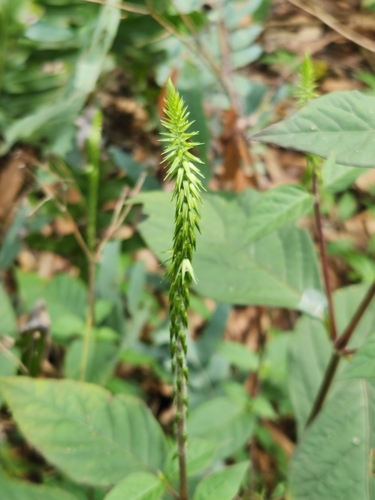
Triticosecale spp
Wittm. ex A.Camus.
Triticale

Andreas Kronshage

Dawid Wojtachnio

Dawid Wojtachnio
What to Eat
Edible parts: Seed
Seed - ground and used as a flour. Lower in gluten than wheat, so it is often mixed with that cereal if used in bread making. It has a higher amino acid and protein content than wheat. The seed can also be sprouted and added to salads. Yields can be very high, with harvests of more than 10 tonnes per hectare being achieved.
Where to Find It
A bi-generic hybrid of garden origin between Triticum sp. and Secale cereale.
Coming Soon
How to Identify
Triticosecale spp is a ANNUAL growing to 1 m (3ft 3in). It is not frost tender. It is in flower from July to August, and the seeds ripen from August to September. The species is hermaphrodite (has both male and female organs) and is pollinated by Wind. Suitable for: light (sandy), medium (loamy) and heavy (clay) soils. Suitable pH: mildly acid, neutral and basic (mildly alkaline) soils. It cannot grow in the shade. It prefers dry or moist soil.
How to Grow
Succeeds on lighter and drier soils than are suitable for wheat. A person-made hybrid, Triticum spp. x Secale cereale, it is often cultivated for its edible seed, there are some named varieties. Plants are more winter hardy than wheat but yields have been low in some areas and lodging has been a serious fault. The grain is larger than wheat but more sparsely carried on the flowering spike. Plants are more resistant than wheat to the diseases 'take-all' and 'rust'. Resists mildew.
Propagation: Seed - sow March or October in situ, only just covering the seed. Germination should take place within a few days.