Asparagus filicinus
Buch.-Ham. ex D.Don.
Fern Asparagus

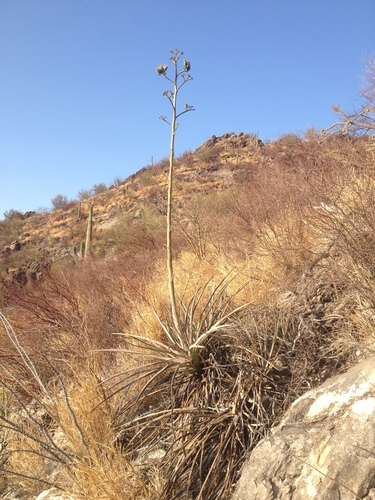
(c) Phuentsho, some rights reserved (CC BY-NC), uploaded by Phuentsho

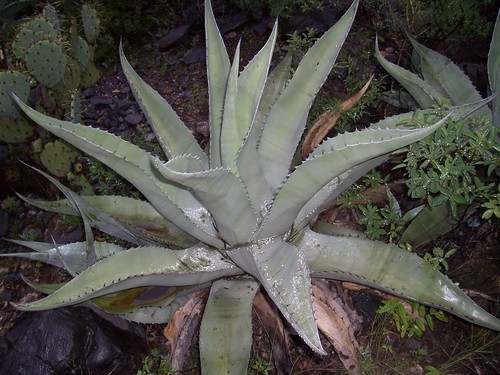
(c) Derek de la Harpe, some rights reserved (CC BY-ND), uploaded by Derek de la Harpe

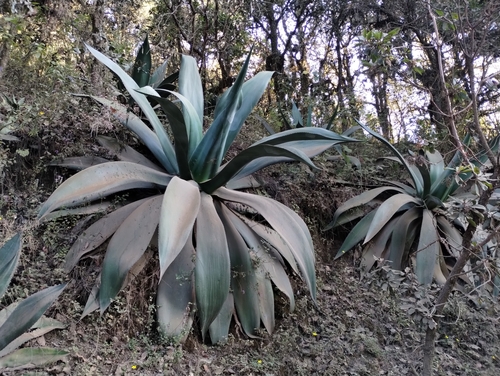
(c) alessandradalia, some rights reserved (CC BY-SA), uploaded by alessandradalia
What to Eat
Edible parts: Shoots, Stem
Young shoots - cooked. Used as a vegetable.
Where to Find It
E. Asia - China, India.
TEMPERATE ASIA: China (Zhejiang Sheng, Henan Sheng, Hunan Sheng, Hubei Sheng, Gansu Sheng (south), Guizhou Sheng, Shanxi Sheng (southwest), Shaanxi Sheng (south), Sichuan Sheng, Yunnan Sheng) TROPICAL ASIA: Bhutan, India (Sikkim, Assam, Himachal Pradesh, Jammu and Kashmir, Manipur, Meghalaya, Uttar Pradesh), Nepal, Myanmar, Thailand
How to Identify
Asparagus filicinus is a PERENNIAL growing to 0.7 m (2ft 4in). See above for USDA hardiness. It is hardy to UK zone 8. It is in flower from May to June, and the seeds ripen from July to August. The species is dioecious (individual flowers are either male or female, but only one sex is to be found on any one plant so both male and female plants must be grown if seed is required). and is pollinated by Bees. The plant is not self-fertile. Suitable for: light (sandy), medium (loamy) and heavy (clay) soils and prefers well-drained soil. Suitable pH: mildly acid, neutral and basic (mildly alkaline) soils. It can grow in semi-shade (light woodland) or no shade. It prefers moist soil.
How to Grow
Easily grown in any good garden soil. Prefers a rich sandy loam. Plants are hardy to between -10 and -15°c. Dioecious. Male and female plants must be grown if seed is required.
Propagation: Seed - pre-soak for 12 hours in warm water and then sow in spring or as soon as the seed is ripe in early autumn in a greenhouse. It usually germinates in 3 - 6 weeks at 25°c. Prick out the seedlings into individual pots when they are large enough to handle and grow them on in a sunny position in the greenhouse for their first winter. Plant them out into their permanent positions in late spring or early summer. Division in early spring as the plant comes into growth.
Medicinal Uses
Antipyretic Antitussive Diuretic Expectorant Nervine Stomachic Tonic. The dried root is antipyretic, antitussive, diuretic, expectorant, stomachic, nervous stimulant and tonic.