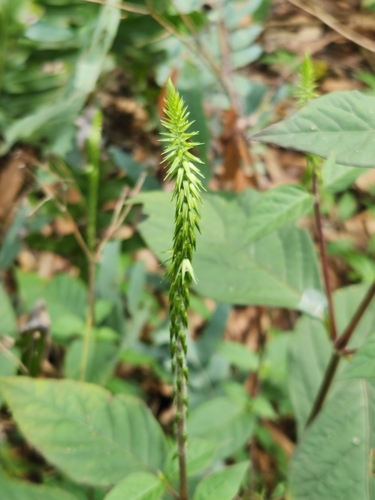
Chenopodium virgatum
Thunb.

Tracie McMahon

Tracie McMahon

Tracie McMahon
What to Eat
Edible parts: Leaves, Seed
Leaves - cooked. A spinach substitute. The raw leaves should only be eaten in small quantities, see the notes above on toxicity. Seed - cooked. Ground into a powder, mixed with wheat or other cereals and used in making bread etc. The small black seed is about 1mm in diameter, it is somewhat fiddly to utilize. It should be soaked in water overnight and thoroughly rinsed before it is used in order to remove any saponins.
Known Hazards
Where to Find It
E. Asia - China, Japan.
Coming Soon
How to Identify
Chenopodium virgatum is a ANNUAL growing to 0.6 m (2ft). It is in flower from July to October, and the seeds ripen from August to October. The species is hermaphrodite (has both male and female organs) and is pollinated by Wind. Suitable for: light (sandy), medium (loamy) and heavy (clay) soils. Suitable pH: mildly acid, neutral and basic (mildly alkaline) soils. It cannot grow in the shade. It prefers moist soil. The plant can tolerate maritime exposure.
How to Grow
We have very little information on this species and do not know how well it will grow in Britain, but it should succeed as a spring sown annual.This species is closely related to C. acuminatum and is seen as no more than a sub-species by many botanists. The following notes are based on the general needs of the genus. An easily grown plant, succeeding in most soils but disliking shade. It prefers a moderately fertile soil.
Propagation: Seed - sow spring in situ. Most of the seed usually germinates within a few days of sowing.
Other Uses
Dye. Gold/green dyes can be obtained from the whole plant.