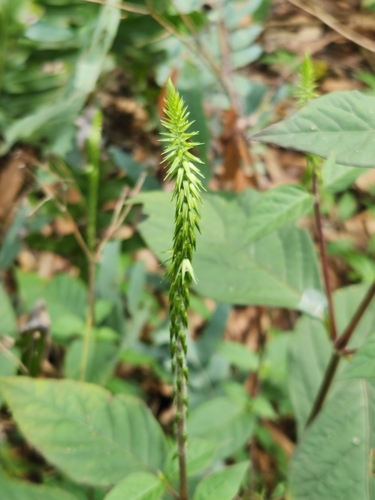
Hordeum intermedium
Körnicke.

Royal Botanic Gardens, Kew

Royal Botanic Gardens, Kew

Royal Botanic Gardens, Kew
What to Eat
Edible parts: Seed
Seed - cooked. The seed can be ground into a flour and used as a cereal in making bread, porridge etc. Malt is obtained by sprouting and roasting the seed. This is a sweet substance and is used in making beer and as a food. The roasted (unsprouted) seed is used as a coffee and a salt substitute.
Where to Find It
Of uncertain origin.
Coming Soon
How to Identify
Hordeum intermedium is a ANNUAL growing to 1 m (3ft 3in). The species is hermaphrodite (has both male and female organs) and is pollinated by Wind. Suitable for: light (sandy), medium (loamy) and heavy (clay) soils and prefers well-drained soil. Suitable pH: mildly acid, neutral and basic (mildly alkaline) soils. It cannot grow in the shade. It prefers moist soil.
How to Grow
Succeeds in most soils and in climates ranging from sub-arctic to sub-tropical. Easily grown in light soils. A six-rowed barley, it is not much cultivated due to inferior yields.
Propagation: Seed - sow in situ in March or October and only just cover the seed. Make sure the soil surface does not dry out if the weather is dry. Germination takes place within 2 weeks.
Other Uses
Biomass Mulch Paper. The stems, after the seed has been harvested, have many uses. They are a source of fibres for making paper, a biomass for fuel etc, they can be shredded and used as a mulch.