Maytenus obtusifolia
Mart.
Blunt folia Maytenus

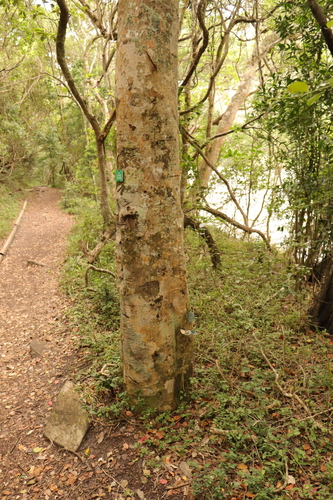
(c) Alex Popovkin, some rights reserved (CC BY), uploaded by Alex Popovkin

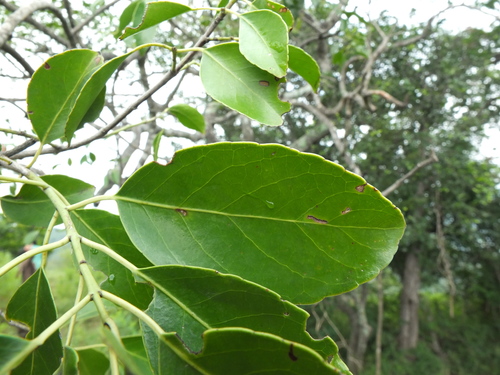
(c) Alex Popovkin, some rights reserved (CC BY), uploaded by Alex Popovkin

(c) Alex Popovkin, some rights reserved (CC BY), uploaded by Alex Popovkin
What to Eat
Edible parts: Leaves
An infusion of the leaves is used as a substitute for China tea (Camellia sinsnsis).
Where to Find It
S. America - northern and eastern Brazil.
Coming Soon
How to Identify
Maytenus obtusifolia is an evergreen Tree growing to 25 m (82ft) by 20 m (65ft) at a medium rate. See above for USDA hardiness. It is hardy to UK zone 10. Suitable for: light (sandy), medium (loamy) and heavy (clay) soils. Suitable pH: mildly acid, neutral and basic (mildly alkaline) soils. It cannot grow in the shade. It prefers dry or moist soil.
How to Grow
A plant of the tropics, found at elevations up to 1,000 metres.
Propagation: Seed -
Medicinal Uses
Antiinflammatory Cancer. The leaves are a popular herbal medicine in Brazil, where they are used in the treatment of serious ulcers, general inflammations, cancer and also against external ulcers on the skin. Research has shown that the plant is an effective and safe treatment against ulcers, though the mechanism of action has not yet been determined.
Other Uses
Wood. Other Uses The heartwood is pale pink to pinky brown, the sapwood is white or gray. The wood is hard, heavy, very strong, easy to work but not durable when in contact with the soil. It is an excellent wood for general construction, and is also used for general carpentry and rural construction work.
Names & Synonyms
Blunt folia Maytenus