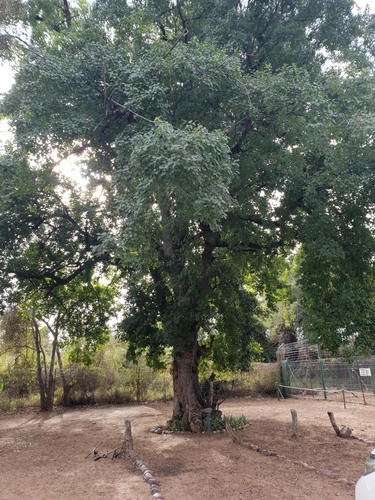
Rhamnus croceus
Nutt.
Red Berry

Aaron Echols

ajennaline_rush

ajennaline_rush
What to Eat
Edible parts: Fruit
Fruit - raw. If eaten in large quantities they can temporarily tinge the skin red. The fruit is about 5 - 6mm in diameter and has a thin dry flesh. Some caution is advised, see the notes above on toxicity.
Known Hazards
Where to Find It
South-western N. America - California to Arizona, south to Mexico.
Coming Soon
How to Identify
Rhamnus croceus is an evergreen Shrub growing to 4 m (13ft 1in). See above for USDA hardiness. It is hardy to UK zone 8. It is in leaf all year, in flower in April, and the seeds ripen from September to October. The species is hermaphrodite (has both male and female organs) and is pollinated by Insects. Suitable for: light (sandy), medium (loamy) and heavy (clay) soils and prefers well-drained soil. Suitable pH: mildly acid, neutral and basic (mildly alkaline) soils. It cannot grow in the shade. It prefers dry or moist soil.
How to Grow
Succeeds in any reasonably good soil. Requires a well-drained sunny site. Plants are possibly hardy to -15°c according to one report, whilst another says that this species is rather tender in Britain. The sub-species R. croceus ilicifolia. Greene. often forms a tree up to 7 metres tall. The species in this genus are notably resistant to honey fungus. The flowers are produced in small clusters in the leaf axils or from small persistent bracts on shoots of the year. Plants of this species can be hermaphrodite or dioecious. If fruit and seed is required it is necessary to grow a hermaphrodite form, or male and female forms.
Propagation: Seed - best sown in the autumn in a cold frame. Stored seed will require 1 - 2 months cold stratification at about 5° and should be sown as early in the year as possible in a cold frame or outdoor seedbed. Germination is usually good, at least 80% by late spring. Prick out the seedlings into individual pots when they are large enough to handle, and grow them on in the greenhouse or cold frame for their first winter. Plant them out in late spring or early summer of the following year. Cuttings of half-ripe wood, July/August in a frame. Cuttings of mature wood of the current year's growth, autumn in a frame. Layering in early spring.