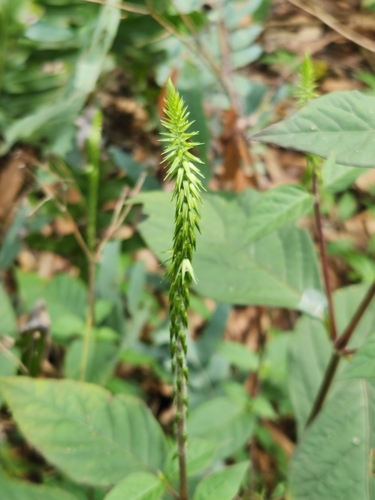
Bromus thominii
Hard.
Soft Brome

Meise Botanic Garden

RECOLNAT (ANR-11-INBS-0004)

Meise Botanic Garden
What to Eat
Seed - cooked. The seed can be dried, ground into a powder then mixed with water and eaten as a gruel. The seed is small and fiddly to utilize.
Where to Find It
W. Europe, from Britain and France to Scandanavia.
Coming Soon
How to Identify
Bromus thominii is a BIENNIAL growing to 0.8 m (2ft 7in). See above for USDA hardiness. It is hardy to UK zone 3. It is in flower from May to July, and the seeds ripen from June to August. The species is hermaphrodite (has both male and female organs) and is pollinated by Wind, Cleistogomy (self-pollinating without flowers ever opening). The plant is self-fertile. Suitable for: light (sandy), medium (loamy) and heavy (clay) soils and prefers well-drained soil. Suitable pH: mildly acid, neutral and basic (mildly alkaline) soils. It can grow in semi-shade (light woodland) or no shade. It prefers dry or moist soil.
How to Grow
Succeeds in a sunny position in most well-drained soils. The plant produces open, wind pollinated flowers and also cleistogamous flowers - these do not open and are self-fertilized. The report regarding edibility in refers to B. hordaceus L. gives this species as a synonym for B. thomasii, but only the section Holmberg.
Propagation: Seed - sow spring or autumn in situ and only just cover. Germination should take place within 2 weeks. If seed is in short supply it can be surface sown in a cold frame in early spring. When large enough to handle, prick out the seedlings into individual pots and plant them out in early summer. Division in spring. Large clumps can be planted out direct into their permanent positions whilst it is best to pot up smaller clumps and grow them on in a cold frame until they are ready to be planted out.