Celastrus dependens
Wall.

Meise Botanic Garden

Royal Botanic Gardens, Kew
What to Eat
Edible parts: Flowers, Oil
Oil. The young flowers are used as a vegetable.
Where to Find It
E. Asia - S.W. China to the Himalayas.
TEMPERATE ASIA: China (Guangdong Sheng, Guangxi Zhuangzu Zizhiqu, Guizhou Sheng, Hunan Sheng, Yunnan Sheng), Taiwan TROPICAL ASIA: India (Andhra Pradesh, Arunachal Pradesh, Assam, Bihar, Haryana, Himachal Pradesh, Karnataka, Kerala, Madhya Pradesh, Maharashtra, Meghalaya, Nagaland, Odisha, Punjab, Rajasthan, Sikkim, Tamil Nadu, Uttar Pradesh, West Bengal), Nepal, Pakistan (Himalayas), India (Andaman and Nicobar Islands), Cambodia, Myanmar, Thailand, Vietnam, Indonesia, Malaysia, Philippines PACIFIC: New Caledonia
How to Identify
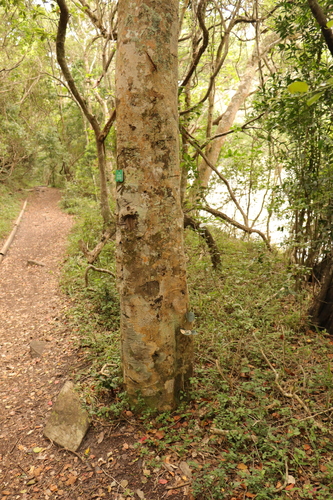
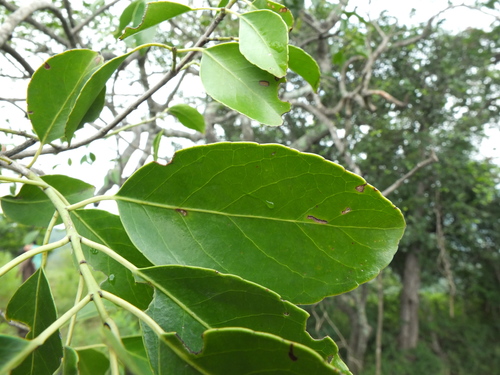
Celastrus dependens is a deciduous Climber. See above for USDA hardiness. It is hardy to UK zone 8. The species is hermaphrodite (has both male and female organs). Suitable for: light (sandy), medium (loamy) and heavy (clay) soils. Suitable pH: mildly acid, neutral and basic (mildly alkaline) soils. It can grow in semi-shade (light woodland) or no shade. It prefers moist soil.
How to Grow
Prefers a deep loamy soil. A gross feeder, it requires a rich soil. This species is not hardy in the colder areas of the country, it tolerates temperatures down to between -5 and -10°c. A rampant climber, it requires ample space and is best grown into an old tree. Fruits best when its top growth is in a sunny position. Plants climb by means of twining and by hooked prickles. They do not normally require pruning. This species is closely related to C. scandens. Dioecious, male and female plants must be grown if seed is required.
Propagation: Seed - gather when ripe, store in dry sand and sow February in a warm greenhouse. Three months cold stratification leads to a higher germination rate. Remove the aril since this inhibits germination. Germination rates are usually good. When they are large enough to handle, prick the seedlings out into individual pots and grow them on in a greenhouse for at least their first winter. Plant them out into their permanent positions in late spring or early summer, after the last expected frosts. Layering in August of the current seasons growth. Takes 12 months. Root cuttings, 6mm thick 25mm long in December. Plant horizontally in pots in a frame.
Medicinal Uses
Abortifacient Analgesic Antidote Aphrodisiac Bitter Cancer Diaphoretic Emetic Emmenagogue Laxative Leprosy Stimulant Tonic. The plant is used as an antidote to opium. It is also considered to be analgesic, aphrodisiac, diaphoretic, emetic, emmenagogue, stimulant and tonic. The bark is abortifacient. The juice from the bark is used in the treatment of indigestion. The seed is aphrodisiac, bitter, emetic, laxative and stimulant. It is used in the treatment of rheumatism, leprosy, gout, fevers and paralysis. The oil from the seed is a powerful stimulant. It is used in the treatment of beriberi. Many plants in this genus contain compounds of interest for their antitumour activity.
Other Uses
Oil. The seed contains 52% oil, and the fruit 30%. This oil is used medicinally (see notes above), we do not know if it has any other applications.