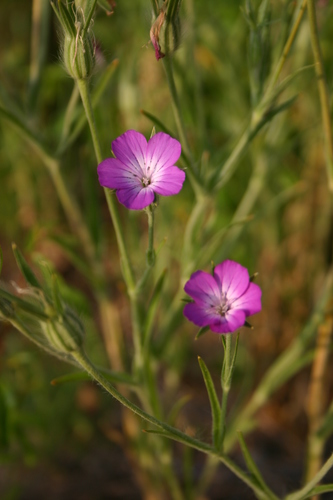
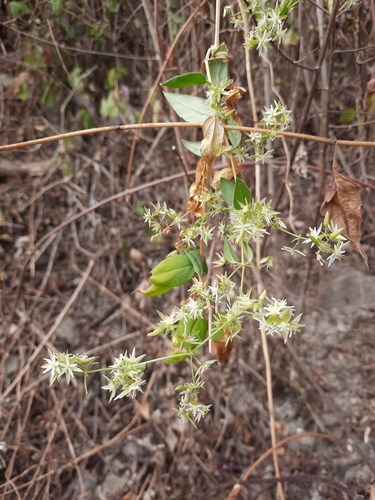
Corrigiola littoralis
L.
Strapwort

GBIF

Natural History Museum of Utah

GBIF
What to Eat
Edible parts: Leaves
Leaves. No more details are given.
Where to Find It
Southwestern Europe, including Britain, from Denmark south and east to N. and E. Africa, W. Asia.
Coming Soon
How to Identify
Corrigiola littoralis is a ANNUAL/BIENNIAL growing to 0.3 m (1ft). It is in flower from July to September. The species is hermaphrodite (has both male and female organs) and is pollinated by Cleistogomy (self-pollinating without flowers ever opening). The plant is self-fertile. Suitable for: light (sandy) and medium (loamy) soils and prefers well-drained soil. Suitable pH: mildly acid, neutral and basic (mildly alkaline) soils. It cannot grow in the shade. It prefers moist soil.
How to Grow
Requires a moist sandy soil, growing well in a rock garden. The information for this plant probably also applies to the closely related C. telephiifolia from Europe, a species that is said to be perennial.
Propagation: Seed - we have no information on this species but suggest sowing it in pots in a cold frame in the spring or when ripe in the autumn. When they are large enough to handle, prick the seedlings out into individual pots and plant them out in early summer. If larger quantities of seed are available then an outdoor sowing in situ could be tried.
Medicinal Uses
Stomachic Tonic. Stomachic, tonic.
Other Uses
EssentialA perfume is obtained from the roots.