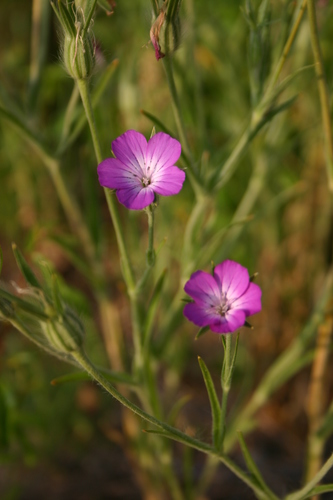
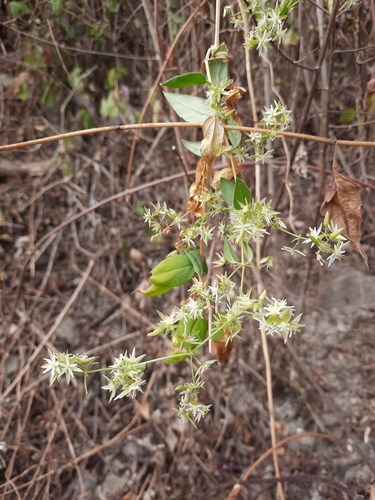
Cucubalus baccifer
L.
Berry-Bearing Catchfly

Juan José Rubal Lobo

GBIF

GBIF
What to Eat
Edible parts: Leaves
Leaves and young plants - cooked.
Where to Find It
S. Europe to W. Asia.
TEMPERATE ASIA: Afghanistan, Iran, Iraq, Lebanon, Syria, Turkey, Russian Federation-Ciscaucasia (Ciscaucasia), Azerbaijan, Georgia, Russian Federation (Dagestan), Kazakhstan, Russian Federation (Sakhalin), China (Anhui Sheng, Fujian Sheng, Gansu Sheng, Guangxi Zhuangzu Zizhiqu, Guizhou Sheng, Hebei Sheng, Henan Sheng, Hubei Sheng, Jiangsu Sheng, Liaoning Sheng, Nei Mongol Zizhiqu, Ningxia Huizi Zizhiqu, Shaanxi Sheng, Shandong Sheng, Shanxi Sheng, Sichuan Sheng, Xinjiang Uygur Zizhiqu, Xizang Zizhiqu, Yunnan Sheng, Zhejiang Sheng), Korea, Japan, Taiwan TROPICAL ASIA: Bhutan, India (Jammu and Kashmir, Sikkim), Nepal EUROPE: Russian Federation (European part), Belarus, Ukraine (incl. Krym), Former Yugoslavia, Albania, Bulgaria, Greece, Italy (incl. Sicily), Spain, France (incl. Corsica), Portugal
How to Identify
Cucubalus baccifer is a ANNUAL growing to 1 m (3ft 3in). See above for USDA hardiness. It is hardy to UK zone 7. The species is hermaphrodite (has both male and female organs) and is pollinated by Insects. Suitable for: light (sandy), medium (loamy) and heavy (clay) soils. Suitable pH: mildly acid, neutral and basic (mildly alkaline) soils. It can grow in semi-shade (light woodland). It prefers moist soil.
How to Grow
See the plants native habitat for ideas on its cultivation needs. Plants are hardy to between -10 and -15°c.
Propagation: Seed - sow spring in situ.
Medicinal Uses
StypticA decoction of the plant is used in the treatment of haemorrhages.
Other Uses
Tannin. The plant is rich in tannin.