Euonymus tanakae
Maxim.

GBIF

Botanical Research Institute of Texas

GBIF
What to Eat
Edible parts: Fruit
Fruit. No further details. This report should be treated with some caution since many members of this genus are poisonous.
Known Hazards
Where to Find It
E. Asia - Japan, Taiwan.
Coming Soon
How to Identify
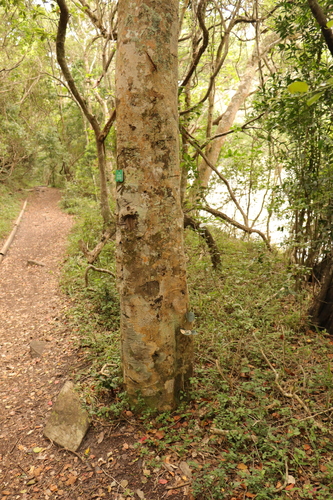
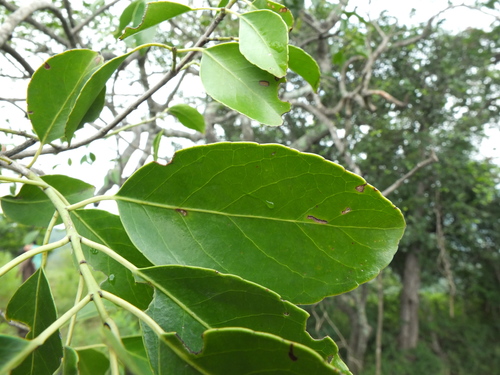
Euonymus tanakae is an evergreen Tree growing to 4 m (13ft 1in). It is in leaf all year, in flower from May to June. The species is hermaphrodite (has both male and female organs) and is pollinated by Insects. Suitable for: light (sandy), medium (loamy) and heavy (clay) soils and prefers well-drained soil. Suitable pH: mildly acid, neutral and basic (mildly alkaline) soils. It can grow in semi-shade (light woodland) or no shade. It prefers dry or moist soil.
How to Grow
We have very little information on this species and do not know if it will be hardy in Britain, though judging by its native range it could succeed outdoors at least in the milder parts of this country. The following notes are based on the general needs of the genus. Thriving in almost any soil, including chalk, it is particularly suited to dry shaded areas. Prefers a well-drained loamy soil.
Propagation: Seed - best sown as soon as it is ripe in a cold frame. Stored seed requires 3 months cold stratification, so should be sown as early in the year as possible in a cold frame. The seed can take 18 months to germinate. When they are large enough to handle, prick the seedlings out into individual pots and grow them on in the greenhouse for at least their first winter. Plant them out into their permanent positions in late spring or early summer, after the last expected frosts. Cuttings of half-ripe wood, 5 - 7cm long taken at a node or with a heel, July/August in a frame. Very easy.