Hosta rectifolia
Nakai.

University of Tennessee, Chattanooga Herbarium (UTC-UCHT)

Royal Botanic Gardens, Kew
What to Eat
Edible parts: Leaves, Stem
Young leaves and leaf stems - cooked. Not very tasty.
Where to Find It
E. Asia - N. Japan.
TEMPERATE ASIA: Russian Federation (Kurile Islands, Primorye, Sakhalin), Japan (Hokkaidô, Honshu)
How to Identify
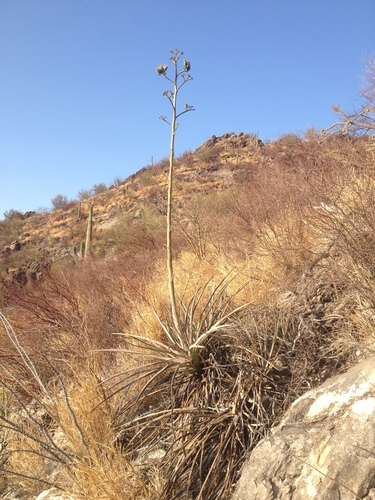
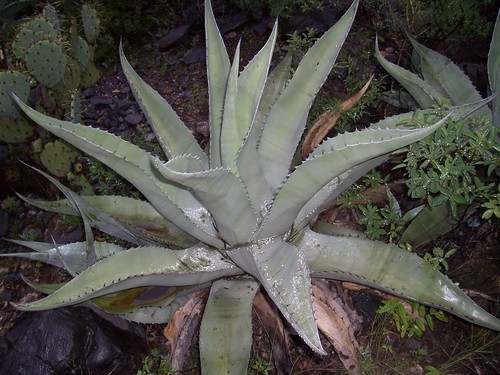
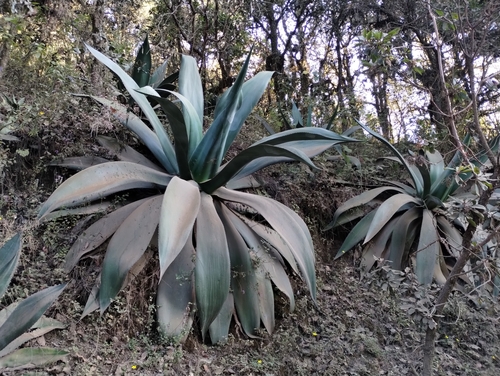
Hosta rectifolia is a PERENNIAL growing to 0.6 m (2ft) by 0.8 m (2ft 7in). See above for USDA hardiness. It is hardy to UK zone 4 and is not frost tender. It is in flower from August to September. The species is hermaphrodite (has both male and female organs). Suitable for: light (sandy), medium (loamy) and heavy (clay) soils and can grow in heavy clay soil. Suitable pH: mildly acid, neutral and basic (mildly alkaline) soils. It can grow in full shade (deep woodland) semi-shade (light woodland) or no shade. It prefers moist soil.
How to Grow
Thrives in most fertile soils if they are rich in humus. Grows well in heavy clay soils and in sandy ones. Very limy soils inhibit growth, but plants can thrive in such a situation if plenty of humus is added. Prefers a pH between 6 and 7. Requires a rich soil that does not dry out readily. Succeeds in full sun as well as in deep shade, growing well in the semi-shade of a woodland. In general, the sunnier the position the moister the soil should be. Plants are best not grown under trees in town gardens since the soot washed from the leaves of the trees in wet weather will tend to remain on the hosta. Plants flower better when grown in a sunny position but the foliage is better when the plant is in a shady position. Plants are in general fully hardy in Britain, but young leaves in spring can be destroyed by frost. New leaves are only produced in the spring and very early summer, so any damage at this time has a deep effect on the plant. A robust plant, forming medium-size to large clumps, the rhizome is slightly stoloniferous. Members of this genus are rarely if ever troubled by browsing deer or rabbits. Plants are very attractive to slugs and snails, the young shoots in spring are especially at risk. Hybridizes freely with other members of this genus.
Propagation: Seed - sow spring in a lightly shaded position in a greenhouse and only just cover the seed. Germination usually takes place within 1 - 3 months at 10°c. Make sure you keep the compost moist. When they are large enough to handle, prick the seedlings out into individual pots and grow them on in the greenhouse for at least their first winter. Plant them out into their permanent positions in late spring or early summer, after the last expected frosts. Division is possible at almost any time of the year so long as there is sufficient moisture. It is best carried out in March as growth commences or in early autumn if the soil is not too dry. Hostas can be left undivided for many years and should not be divided any more frequently than once every 3 - 5 years to allow the leaves to reach maturity.
Other Uses
A useful ground cover plant, succeeding in dense shade, though rather slow spreading. Plants should be spaced about 45cm apart each way.