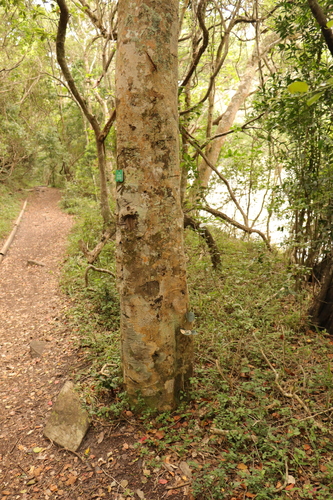
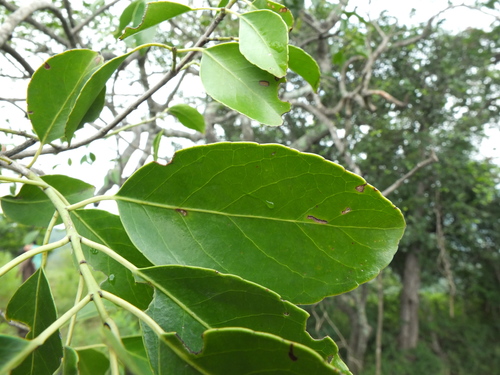
Euonymus alatus subsp. apterus
Regel
Winged spindle tree

(c) Paul Abell, some rights reserved (CC BY-NC)

(c) Paul Abell, some rights reserved (CC BY-NC)

(c) Paul Abell, some rights reserved (CC BY-NC)
What to Eat
Edible parts: Fruit, Leaves, Tea, Caution
Caution:
Known Hazards
Where to Find It
It is a temperate plant.
Asia, China, Japan,
How to Identify
A temperate woody plant in the Celastraceae family with winged branches. The fruit and leaves have been used traditionally, though caution is advised.
Medicinal Uses
Generally cultivated for its ornamental qualities, attraction to wildlife, and ability to adapt to urban and suburban environments, the shrub commonly is used in foundation planting, hedges, and along highways and commercial strips. Sales across the United States are in the tens of millions of dollars every year. The corky winged stems are used in traditional Chinese and traditional Korean medicine to treat conditions such as cancer, hyperglycemia, and diabetic complications. Chemicals that have been isolated from the plant include flavonoids, terpenoids, steroids, lignans, cardenolides, phenolic acids, and alkaloids.
Wikipedia
Source ↗Euonymus alatus, known variously as burning bush, winged euonymus, winged spindle, and winged spindle-tree, is a species of flowering plant in the family Celastraceae, native to central and northern China, Japan, and Korea. It is a popular ornamental plant in gardens and parks due to its bright pink or orange fruit and attractive autumn color: The common name "burning bush" refers to its bright red autumn color. The cultivars 'Compactus' and 'Fire Ball' have gained the Royal Horticultural Society's Award of Garden Merit.
Notes
There are about 175 Euonymus species.
References (2)
- Plants for a Future database, The Field, Penpol, Lostwithiel, Cornwall, PL22 0NG, UK. http://www.scs.leeds.ac.uk/pfaf/
- Tent. fl. ussur. 41, 43, t. 7, fig. 2-3. 1861