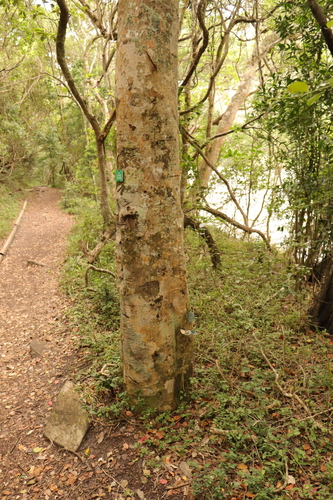
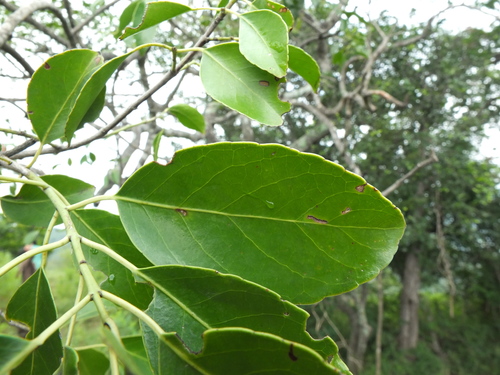
Euonymus hamiltonianus subsp. sieboldianus
(Blume) Kom.

iNaturalist · cc-by-sa
(c) Alpsdake, some rights reserved (CC BY-SA)
(c) Alpsdake, some rights reserved (CC BY-SA)

iNaturalist · cc-by-nc
(c) Wayne Longbottom, some rights reserved (CC BY-NC)
(c) Wayne Longbottom, some rights reserved (CC BY-NC)

iNaturalist · cc-by-nc
(c) Wayne Longbottom, some rights reserved (CC BY-NC)
(c) Wayne Longbottom, some rights reserved (CC BY-NC)
What to Eat
Edible parts: Leaves, Fruit, Caution
Caution:
Known Hazards
Where to Find It
It is a temperate plant.
Asia, Australia, China, Japan,
Countries: United Arab Emirates, Afghanistan, Armenia, Australia, Azerbaijan, Bangladesh, Bahrain, Brunei, Bhutan, China, Georgia, Indonesia, Israel, India, Iraq, Iran, Jordan, Japan, Kyrgyzstan, Cambodia, North Korea, South Korea, Kuwait, Kazakhstan, Laos, Lebanon, Sri Lanka, Myanmar, Mongolia, Maldives, Malaysia, Nepal, Oman, Philippines, Pakistan, Qatar, Saudi Arabia, Singapore, Syria, Thailand, Tajikistan, Timor-Leste, Turkmenistan, Turkey, Taiwan, Uzbekistan, Vietnam, Yemen
How to Identify
A shrub or small tree. It can be 6 m high. The leaves are longer and pointed. The fruit are strong pink colour.
Wikipedia
Source ↗Euonymus hamiltonianus, known by the common names Hamilton's spindletree, Himalayan spindle, and Siebold's spindle is a species of flowering plant in the family Celastraceae. It is native to Asia, where it is distributed in Afghanistan, Russia, China, Japan, Korea, India, Nepal, Pakistan, Bhutan, Thailand, and Myanmar. This is one of the most common Euonymus species. It is cultivated in gardens and landscapes in other parts of the world.
Notes
There are about 175 Euonymus species. Now synonym of Euonymus hamiltonianus.
Names & Synonyms
Euonymus yedoensisEuonymus sieboldianus Blume
References (7)
- Altschul, S.V.R., 1973, Drugs and Foods from Little-known Plants. Notes in Harvard University Herbaria. Harvard Univ. Press. Massachusetts. no. 2539 (As Euonymus yedoensis)
- Chen, B. & Qiu, Z., Consumer's Attitudes towards Edible Wild Plants, Ishikawa Prefecture, Japan. p 23 www.hindawi.com/journals/ijfr/aip/872413.pdf
- Cundall, P., (ed.), 2004, Gardening Australia: flora: the gardener's bible. ABC Books. p 581
- Etherington, K., & Imwold, D., (Eds), 2001, Botanica's Trees & Shrubs. The illustrated A-Z of over 8500 trees and shrubs. Random House, Australia. p 314
- Joyce, D., 1998, The Garden Plant Selector. Ryland, Peters and Small. p 139
- Plants for a Future database, The Field, Penpol, Lostwithiel, Cornwall, PL22 0NG, UK. http://www.scs.leeds.ac.uk/pfaf/
- Trudy Imp. S.-Peterburgsk. Bot. Sada 22:710. 1904