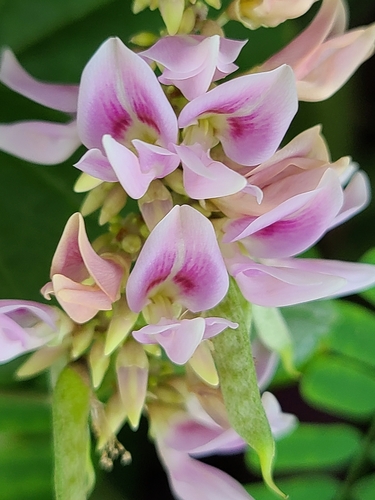
Melilotus indicus - (L.)All.
(L.)All.
Annual Yellow Sweetclover

kthor

kthor

Peter de Lange
What to Eat
Edible parts: Leaves
Leaves - cooked.
Known Hazards
Where to Find It
Europe - Mediterranean to E. Asia. Naturalized in Britain.
TEMPERATE ASIA: Bahrain, Kuwait, Afghanistan, Cyprus, Egypt (Sinai), Iran, Iraq, Israel, Lebanon, Syria, Turkey, Azerbaijan, Russian Federation (Dagestan), Kazakhstan, Tajikistan, Turkmenistan, Uzbekistan, China (Xizang Zizhiqu) TROPICAL ASIA: India, Nepal, Pakistan EUROPE: Former Yugoslavia, Albania, Greece (incl. Crete), Italy (incl. Sardinia, Sicily), Spain (incl. Baleares), France (incl. Corsica), Portugal AFRICA: Algeria, Egypt, Libya, Morocco, Tunisia
How to Identify
Melilotus indicus is a ANNUAL growing to 1 m (3ft 3in) by 0.6 m (2ft). See above for USDA hardiness. It is hardy to UK zone 6. It is in flower from June to October. The species is hermaphrodite (has both male and female organs) and is pollinated by Bees. It can fix Nitrogen. Suitable for: light (sandy), medium (loamy) and heavy (clay) soils and prefers well-drained soil. Suitable pH: neutral and basic (mildly alkaline) soils. It cannot grow in the shade. It prefers dry or moist soil.
How to Grow
Dislikes shade. This species is often cultivated as a fodder crop and cultivars low in coumarin have been developed. This species has a symbiotic relationship with certain soil bacteria, these bacteria form nodules on the roots and fix atmospheric nitrogen. Some of this nitrogen is utilized by the growing plant but some can also be used by other plants growing nearby. When removing plant remains at the end of the growing season, it is best to only remove the aerial parts of the plant, leaving the roots in the ground to decay and release their nitrogen.
Propagation: Seed - sow spring to mid-summer in situ. Pre-soaking the seed for 12 hours in warm water will speed up the germination process, particularly in dry weather. Germination will usually take place within 2 weeks.
Medicinal Uses
Antibacterial Anticoagulant Astringent Emollient Laxative Narcotic Poultice. The seed is made into a gruel and used in the treatment of bowel complaints and infantile diarrhoea. The plant is discutient, emollient, astringent, strongly laxative and narcotic. It is used externally as a poultice or plaster on swellings. The plant contains coumarin, which is an anticoagulant. The plant also contains dicumarol, which is a broad spectrum bactericide.
Other Uses
The leaves repel insects. They have been placed in beds to repel bedbugs.