Favolus europaeus
Fr.
mushroom
ThelephoraceaeMushrooms
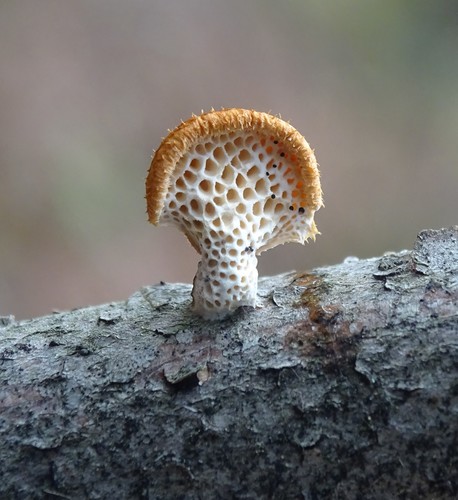
iNaturalist · cc-by
(c) Shirley Zundell, some rights reserved (CC BY)
(c) Shirley Zundell, some rights reserved (CC BY)
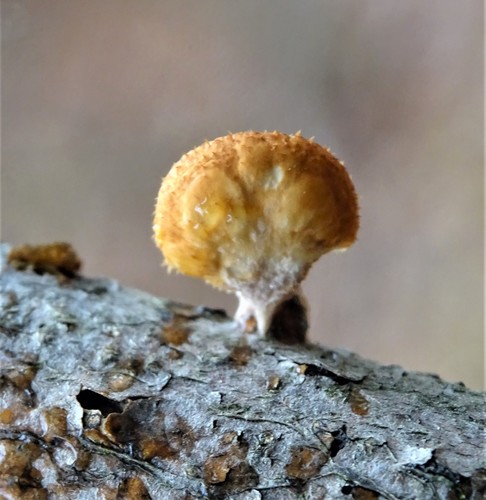
iNaturalist · cc-by
(c) Shirley Zundell, some rights reserved (CC BY)
(c) Shirley Zundell, some rights reserved (CC BY)
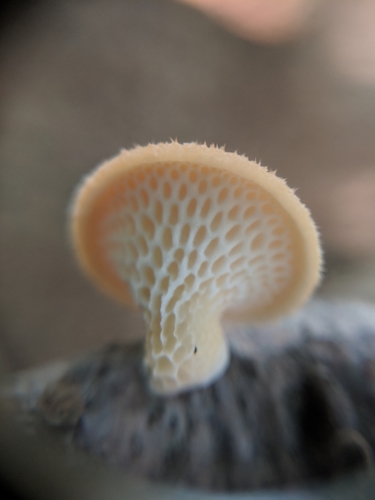
iNaturalist · cc-by-nc
(c) nemophilist_tendencies, some rights reserved (CC BY-NC)
(c) nemophilist_tendencies, some rights reserved (CC BY-NC)
What to Eat
Edible parts: Mushroom, Fungus
The mushroom fruiting body is eaten.
Where to Find It
A tropical plant.
Africa, Central Africa, Congo,
Countries: Angola, Burkina Faso, Burundi, Benin, Botswana, Congo (DRC), Central African Republic, Congo (Republic), Cote d'Ivoire, Cameroon, Cape Verde, Djibouti, Algeria, Egypt, Eritrea, Ethiopia, Gabon, Ghana, Gambia, Guinea, Equatorial Guinea, Guinea-Bissau, Kenya, Comoros, Liberia, Lesotho, Libya, Morocco, Madagascar, Mali, Mauritania, Mauritius, Malawi, Mozambique, Namibia, Niger, Nigeria, Rwanda, Seychelles, Sudan, Sierra Leone, Senegal, Somalia, South Sudan, Sao Tome & Principe, Eswatini, Chad, Togo, Tunisia, Tanzania, Uganda, South Africa, Zambia, Zimbabwe
How to Identify
A mushroom fungus in the family Thelephoraceae found in tropical regions.
Medicinal Uses
This mushroom is edible when young. It has been described as "edible but tough", with toughness increasing with age, and not having "all that distinctive of a flavor". Another reference lists the species as inedible. A polypeptide with antifungal properties has been isolated from the fresh fruit bodies of this species. Named alveolarin, it inhibits the growth of the species Botrytis cinerea, Fusarium oxysporum, Mycosphaerella arachidicola, and Physalospora piricola.
Names & Synonyms
Favolus alveolarius
References (1)
- Jardin, C., 1970, List of Foods Used In Africa, FAO Nutrition Information Document Series No 2.p 113


