Fegimanra afzelii
Engl.
An-peri
AnacardiaceaeSeeds/Nuts

iNaturalist · cc-by-nc
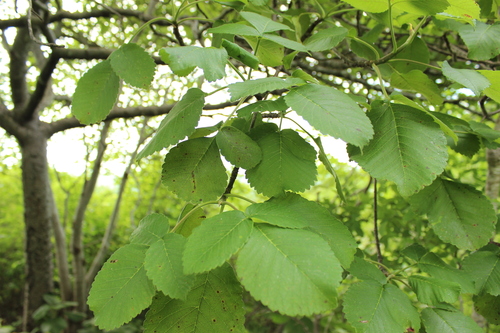
(c) Eric Gren, some rights reserved (CC BY-NC), uploaded by Eric Gren
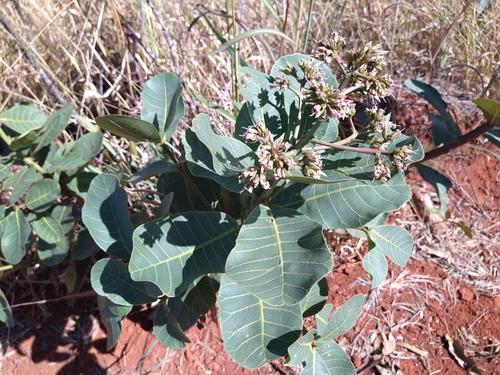
(c) Eric Gren, some rights reserved (CC BY-NC), uploaded by Eric Gren

iNaturalist · cc-by-nc
(c) Eric Gren, some rights reserved (CC BY-NC)
(c) Eric Gren, some rights reserved (CC BY-NC)
What to Eat
Edible parts: Seeds
The seeds are eaten.
Where to Find It
A tropical plant. It grows on sandstone and in rocky places.
Africa, Guinea, Guinée, Sierra Leone, West Africa,
Countries: Angola, Burkina Faso, Burundi, Benin, Botswana, Congo (DRC), Central African Republic, Congo (Republic), Cote d'Ivoire, Cameroon, Cape Verde, Djibouti, Algeria, Egypt, Eritrea, Ethiopia, Gabon, Ghana, Gambia, Guinea, Equatorial Guinea, Guinea-Bissau, Kenya, Comoros, Liberia, Lesotho, Libya, Morocco, Madagascar, Mali, Mauritania, Mauritius, Malawi, Mozambique, Namibia, Niger, Nigeria, Rwanda, Seychelles, Sudan, Sierra Leone, Senegal, Somalia, South Sudan, Sao Tome & Principe, Eswatini, Chad, Togo, Tunisia, Tanzania, Uganda, South Africa, Zambia, Zimbabwe
How to Identify
A shrub or small tree. It can be 9 m tall. The leaves have 7-10 pairs of leaflets. The flowers can be red or white. The fruit are red. They are kidney shaped.
References (6)
- Burkill, H. M., 1985, The useful plants of west tropical Africa, Vol. 4. Kew.
- Busson, 1965,
- Dalziel, J. M., 1937, The Useful plants of west tropical Africa. Crown Agents for the Colonies London.
- Jardin, C., 1970, List of Foods Used In Africa, FAO Nutrition Information Document Series No 2.p 43
- Peters, C. R., O'Brien, E. M., and Drummond, R.B., 1992, Edible Wild plants of Sub-saharan Africa. Kew. p 48
- World Checklist of Useful Plant Species 2020. Royal Botanic Gardens, Kew