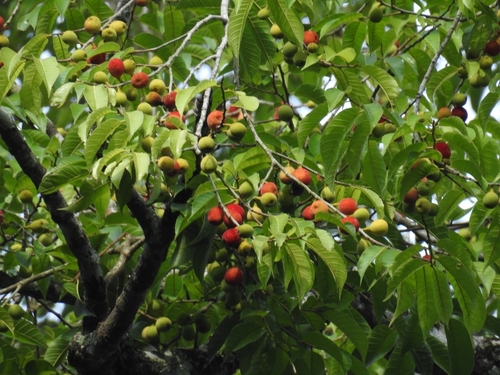
Ficus odorata
(Blanco) Merr.
Pakiling

iNaturalist · cc-by-sa
(c) Billy Joe Jackson, some rights reserved (CC BY-SA)
(c) Billy Joe Jackson, some rights reserved (CC BY-SA)
wikimedia · cc-by-sa
Wikimedia Commons - R.Rahasia
Wikimedia Commons - R.Rahasia
wikimedia · cc0
Wikimedia Commons - Judgefloro
Wikimedia Commons - Judgefloro
What to Eat
Edible parts: Fruit, Seeds
The fleshy fruit portion and seeds are eaten raw.
Where to Find It
A tropical plant. Throughout the Philippines they are confined to water sources.
Asia, Pacific, Philippines, SE Asia,
Countries: United Arab Emirates, Afghanistan, Armenia, Australia, Azerbaijan, Bangladesh, Bahrain, Brunei, Bhutan, China, Fiji, Micronesia, Georgia, Indonesia, Israel, India, Iraq, Iran, Jordan, Japan, Kyrgyzstan, Cambodia, Kiribati, North Korea, South Korea, Kuwait, Kazakhstan, Laos, Lebanon, Sri Lanka, Marshall Islands, Myanmar, Mongolia, Maldives, Malaysia, Nepal, Nauru, New Zealand, Oman, Papua New Guinea, Philippines, Pakistan, Palau, Qatar, Saudi Arabia, Solomon Islands, Singapore, Syria, Thailand, Tajikistan, Timor-Leste, Turkmenistan, Tonga, Turkey, Tuvalu, Taiwan, Uzbekistan, Vietnam, Vanuatu, Samoa, Yemen
How to Identify
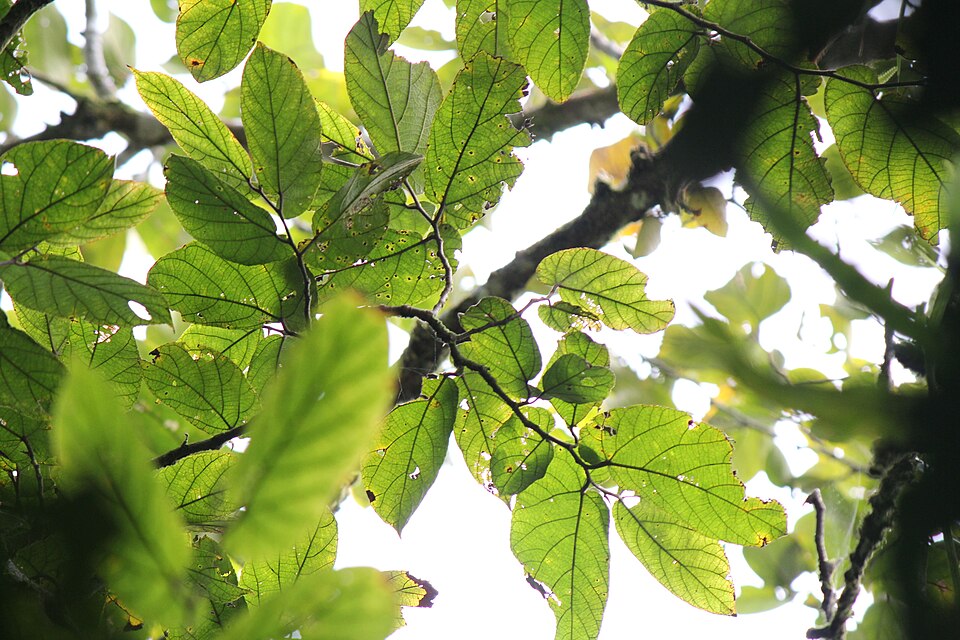
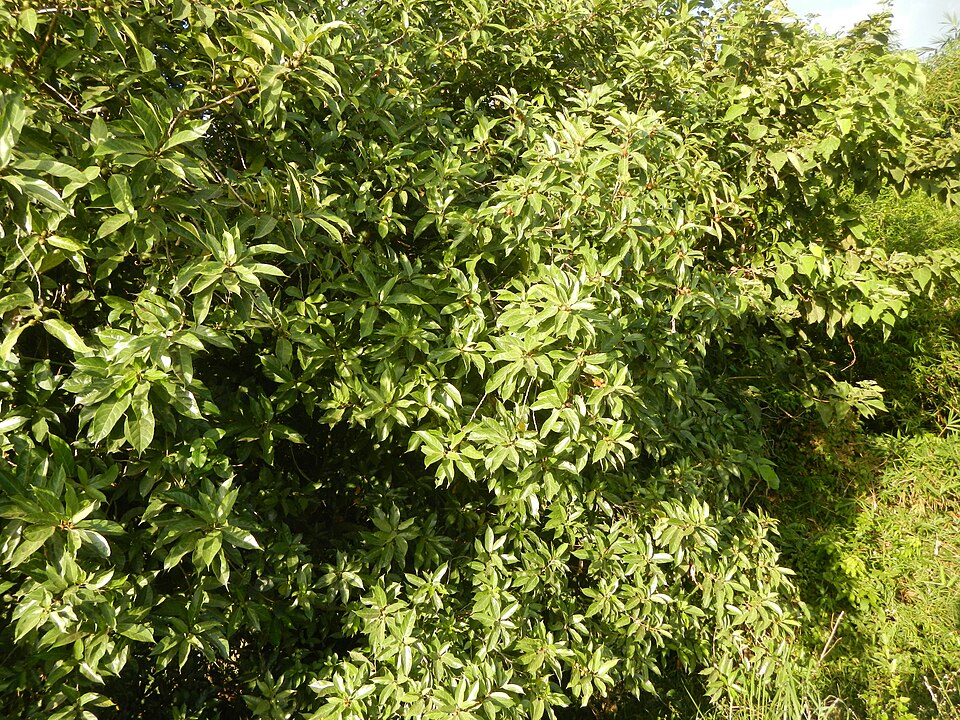
A fig. It is a medium sized tree or shrub. The smaller branches are long and usually hang down. The leaves have a sweet smell while drying and end with a blunt point. They are heart shaped at the base and the lobes are very unequal in size and shape. The edges of the leaves can be entire or toothed. The fruit are in the axils of leaves and mostly produced singly although sometimes in pairs.
Notes
There are about 800-1000 Ficus species. They are mostly in the tropics. There are 120 Ficus species in tropical America.
References (2)
- Monsalud, M.R., Tongacan, A.L., Lopez, F.R., & Lagrimas, M.Q., 1966, Edible Wild Plants in Philippine Forests. Philippine Journal of Science. p 502
- Philipp. Gov. Lab. Bur. Bull. 17:15. 1904