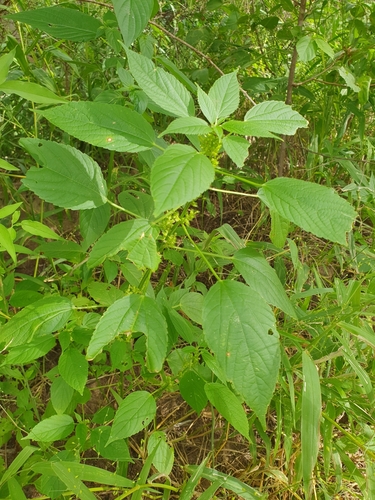
Galearia fulva
(Tul.) Miq.

iNaturalist · cc-by-nc-nd
(c) loupok, some rights reserved (CC BY-NC-ND)
(c) loupok, some rights reserved (CC BY-NC-ND)
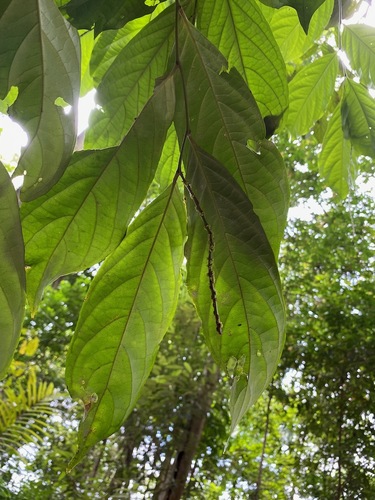
iNaturalist · cc-by-nc
(c) kangmin, some rights reserved (CC BY-NC)
(c) kangmin, some rights reserved (CC BY-NC)
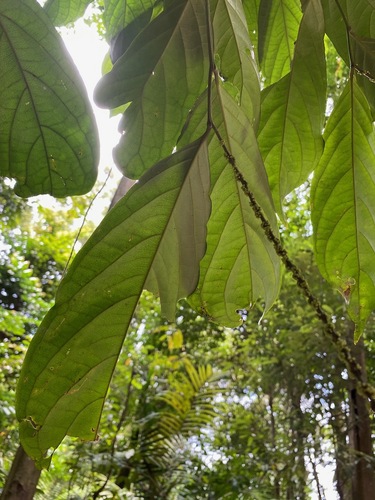
iNaturalist · cc-by-nc
(c) kangmin, some rights reserved (CC BY-NC)
(c) kangmin, some rights reserved (CC BY-NC)
What to Eat
Edible parts: Leaves, Fruit
The leaves and fruit are eaten.
Where to Find It
A tropical plant. It grows in mixed forest up to 1,200 m above sea level. It can be on sandy or clay soils.
Asia, Brunei, Indochina, Indonesia, Laos, Malaysia, Myanmar, Philippines, SE Asia, Thailand,
Countries: United Arab Emirates, Afghanistan, Armenia, Azerbaijan, Bangladesh, Bahrain, Brunei, Bhutan, China, Georgia, Indonesia, Israel, India, Iraq, Iran, Jordan, Japan, Kyrgyzstan, Cambodia, North Korea, South Korea, Kuwait, Kazakhstan, Laos, Lebanon, Sri Lanka, Myanmar, Mongolia, Maldives, Malaysia, Nepal, Oman, Philippines, Pakistan, Qatar, Saudi Arabia, Singapore, Syria, Thailand, Tajikistan, Timor-Leste, Turkmenistan, Turkey, Taiwan, Uzbekistan, Vietnam, Yemen
How to Identify
A shrub. It grows 1-12 meters high. The trunk is 2 cm across. The bark is light and white. The leaves are alternate and simple. They are usually hairy underneath. The leaves base is unequal. The leaves are sword shaped. The flowers are 1.5 mm across. They are greenish-yellow. The fruit are light green and hard. They are 7 mm long and angular. They are fleshy.
Notes
There are 6 Galearia species. Also put in the family Pandaceae.
Names & Synonyms
Kayu busih, Rukam gunug, Tis
Cremostachys fulva Tul.
References (3)
- Heywood, V.H., Brummitt, R.K., Culham, A., and Seberg, O. 2007, Flowering Plant Families of the World. Royal Botanical Gardens, Kew. p 240 (Genus)
- Slik, F., www.asianplant.net
- www.nationalherbarium.nl/thaueuph/ Flora of Thailand.