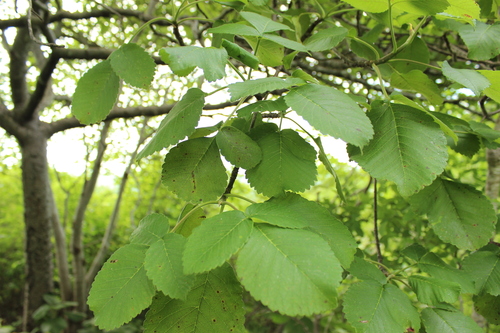
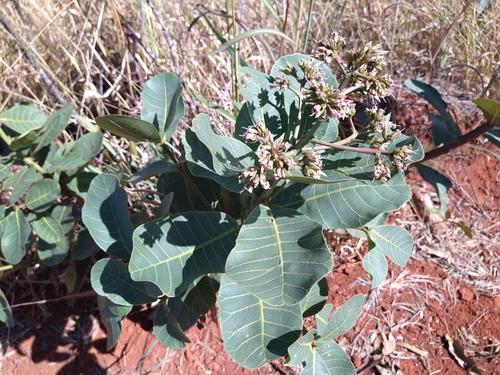
Gluta elegans
(Wall.) Kurz
Rengas, Rengas ayam
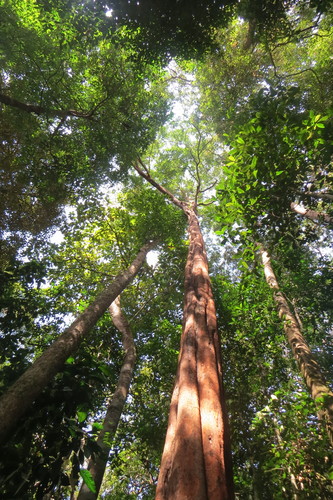
iNaturalist · cc-by-nc
(c) Nina Lester Finley, some rights reserved (CC BY-NC), uploaded by Nina Lester Finley
(c) Nina Lester Finley, some rights reserved (CC BY-NC), uploaded by Nina Lester Finley
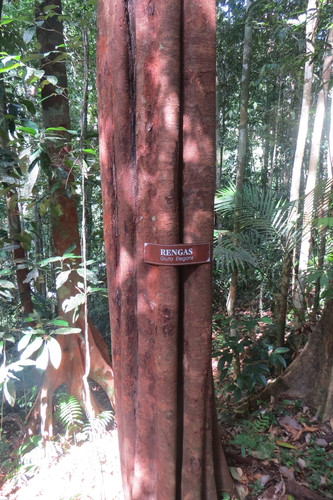
iNaturalist · cc-by-nc
(c) Nina Lester Finley, some rights reserved (CC BY-NC)
(c) Nina Lester Finley, some rights reserved (CC BY-NC)
What to Eat
Edible parts: Seeds, Nuts
Seeds and nuts are eaten.
Known Hazards
Where to Find It
A tropical plant. It grows in evergreen forests up to 600 m above sea level.
Asia, Malaysia, Myanmar, SE Asia, Thailand,
Countries: United Arab Emirates, Afghanistan, Armenia, Azerbaijan, Bangladesh, Bahrain, Brunei, Bhutan, China, Georgia, Indonesia, Israel, India, Iraq, Iran, Jordan, Japan, Kyrgyzstan, Cambodia, North Korea, South Korea, Kuwait, Kazakhstan, Laos, Lebanon, Sri Lanka, Myanmar, Mongolia, Maldives, Malaysia, Nepal, Oman, Philippines, Pakistan, Qatar, Saudi Arabia, Singapore, Syria, Thailand, Tajikistan, Timor-Leste, Turkmenistan, Turkey, Taiwan, Uzbekistan, Vietnam, Yemen
How to Identify
A tree. It grows 20 m tall. The trunk can be 26 cm across. The ark is grey and smooth. The new leaves are intense violet colour. The leaves are narrowly sword shaped and 6-18 cm long by 2-7 cm wide. The flower petals are white. The fruit are black and 4-5 cm long by 3-4 cm wide.
Production
Flowering occurs throughout the year.
Notes
Caution: The sap can irritate the skin.
Names & Synonyms
Rak
Syndesmis elegans Wall.
References (5)
- Burkill, I.H., 1966, A Dictionary of the Economic Products of the Malay Peninsula. Ministry of Agriculture and Cooperatives, Kuala Lumpur, Malaysia. Vol 1 (A-H) p 1096
- Chayamarit, K., 1994, Preliminary Checklist of the Family Anacardiaceae in Thailand. Thai For. Bull. 22:1-25
- Flora Malesiana
- Menninger, E.A., 1977, Edible Nuts of the World. Horticultural Books. Florida p 51
- Wickens, G.E., 1995, Edible Nuts. FAO Non-wood forest products. FAO, Rome. p 106