Nothoscordum bivalve
(L.) Britton
False garlic, Crowpoison
(c) Linda Jo Conn, some rights reserved (CC BY-NC), uploaded by Linda Jo Conn
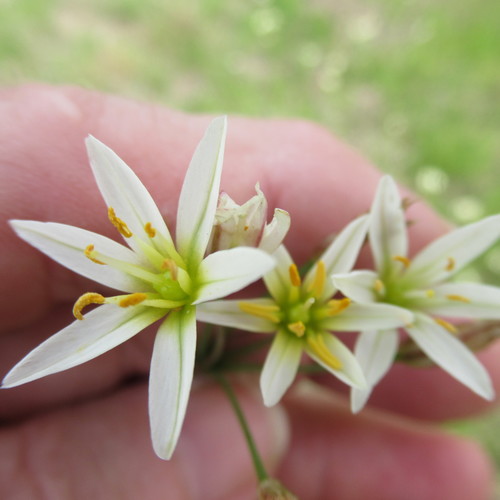
(c) Linda Jo Conn, some rights reserved (CC BY-NC), uploaded by Linda Jo Conn

(c) Mary Keim, some rights reserved (CC BY-NC-SA)
What to Eat
Edible parts: Root, Bulb
The root and bulb are boiled in water, roasted, or sliced and fried before eating.
Where to Find It
It is a temperate plant.
Argentina, Chile, Europe, France, Mexico, North America, Peru, South America, Uruguay, USA,
How to Identify
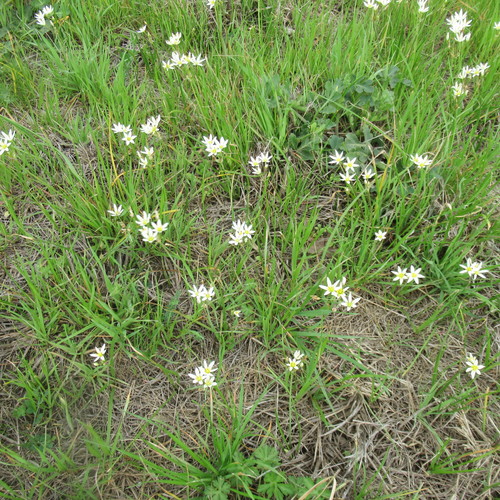
A bulb plant. The bulb is about 1 cm across. The stem grows 40 cm tall. There are 1 to 4 narrow leaves 30 cm long. There are 3-6 flowers in a flat group. The fruit is a capsule.
Wikipedia
Source ↗Nothoscordum bivalve is a species of flowering plant in the family Amaryllidaceae known by the common names crow poison and false garlic. It is native to the eastern United States from Texas to Florida up to Nebraska and Ohio, as well as Mexico, Peru, Uruguay, northeastern Argentina and central Chile. This is a common plant which grows in parks and on roadsides, and soils which are not too dry or too wet; it grows well in lawns. It's one of the first plants to flower in the spring in Texas, and it blooms from April to May in the Great Plains.
Notes
There are about 80 Ornithogalum species. Also put in the family Liliaceae and Hyacinthaceae.
Names & Synonyms
References (2)
- PARMENTIER, (As Ornithogalum gramineum)
- Lim, T. K., 2015, Edible Medicinal and Non Medicinal Plants. Volume 9, Modified Stems, Roots, Bulbs. Springer p 60