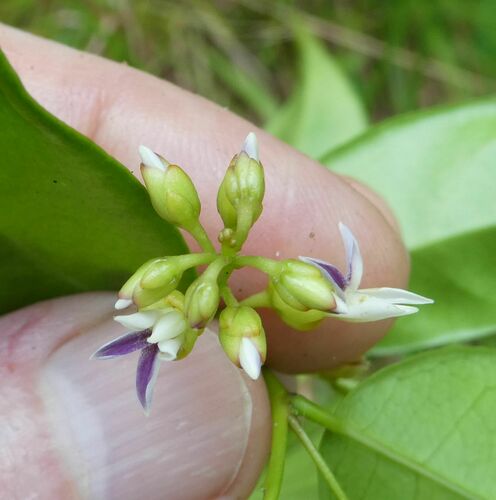
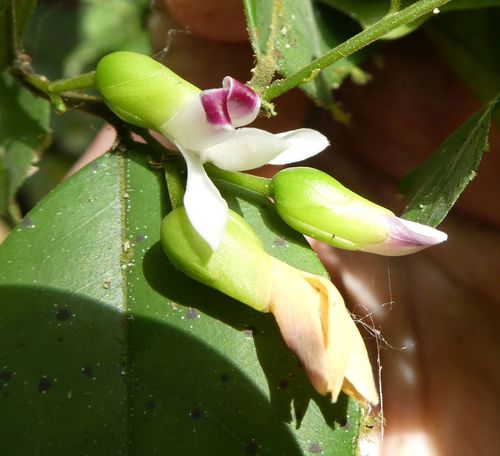
Polygala chinensis
L.
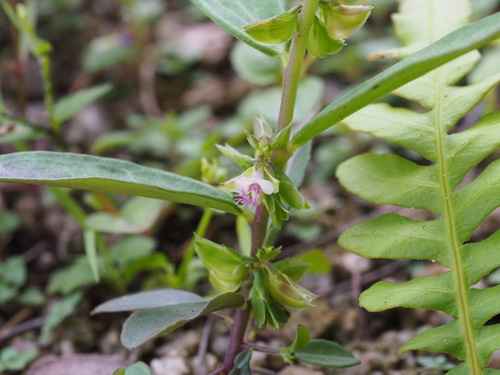
(c) 小铖/Smalltown, some rights reserved (CC BY-NC), uploaded by 小铖/Smalltown
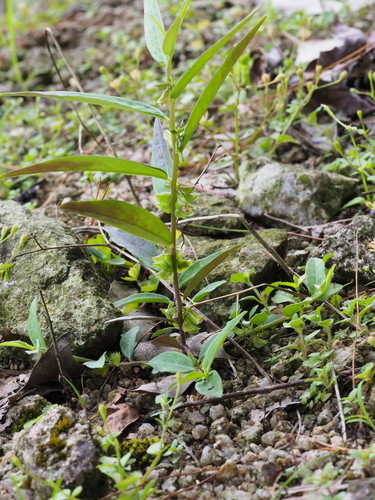
(c) 小铖/Smalltown, some rights reserved (CC BY-NC), uploaded by 小铖/Smalltown
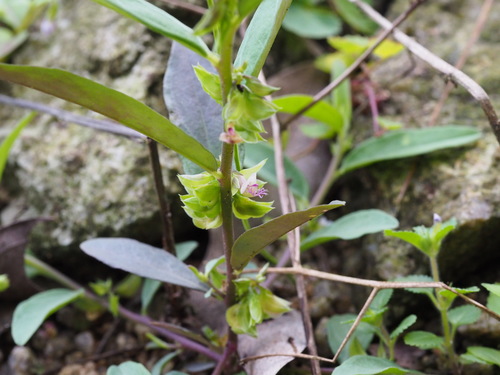
(c) 小铖/Smalltown, some rights reserved (CC BY-NC), uploaded by 小铖/Smalltown
What to Eat
Edible parts: Leaves, Leaves - tea
The tender leaves are edible when cooked and can be prepared as tea.
Where to Find It
A tropical plant. They occur in Rizal, Laguna, Cavite and Mindanao in the Philippines. It occurs in Mumbai in India. In southern China it grows in grasslands between 500-1,100 m above sea level. In Sichuan and Yunnan.
Asia, Cambodia, China, India, Indochina, Indonesia, Laos, Malaysia, Pacific, Papua New Guinea, PNG, Philippines, SE Asia, Taiwan, Thailand, Vietnam,
How to Identify
An erect and slightly branched slender herb. The leaves are alternate and rarely in a ring around the stem. They are without a leaf like appendage at the base of the leaf stem. The flowers are at the ends or in the axils of branches. They are short long spikes or on short equal stalks equally placed along the central stem. The sepals usually remain on the plant. They are unequal and the 2 inner ones are large and like petals. The ovary has 2 cells and the ovules and one their own. The capsule is 2 celled and 2 seeded and small with separate cavities.
Other Information
It is sold in local markets in China.
Notes
There are about 600 Polygala species.
Names & Synonyms
Da jin niu cao, Ngeli, Meradu, Miragu, Negri, Phuntani, Diuata, Pilibhonyasna, Gaighura, Bir mindi tasad
References (7)
- Ambasta, S.P. (Ed.), 2000, The Useful Plants of India. CSIR India. p 477
- GAMMIE,
- Li, D. et al, 2017, Ethnobotanical survey of herbal tea plants from the traditional markets in Chaoshan, China. Journal of Ethnopharmacology. 205 (2017) 195-206
- Monsalud, M.R., Tongacan, A.L., Lopez, F.R., & Lagrimas, M.Q., 1966, Edible Wild Plants in Philippine Forests. Philippine Journal of Science. p 531
- Peekel, P.G., 1984, (Translation E.E.Henty), Flora of the Bismarck Archipelago for Naturalists, Division of Botany, Lae, PNG. p 293, 290
- Singh, H.B., Arora R.K.,1978, Wild edible Plants of India. Indian Council of Agricultural Research, New Delhi. p 39
- Sp. pl. 2:704. 1753