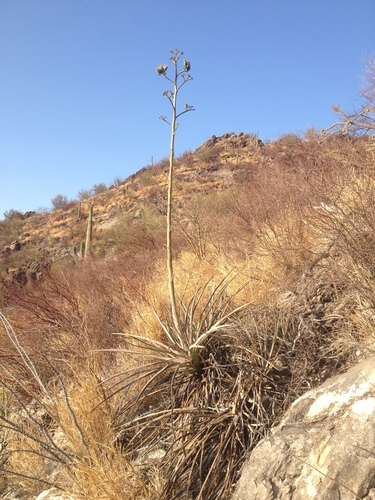
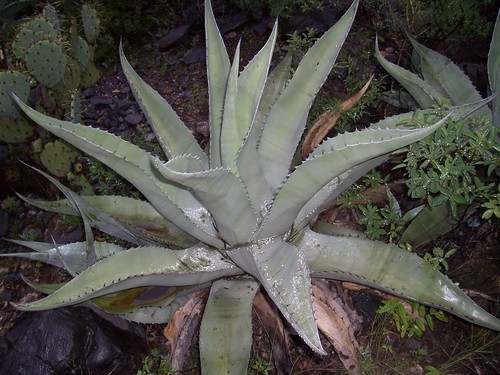
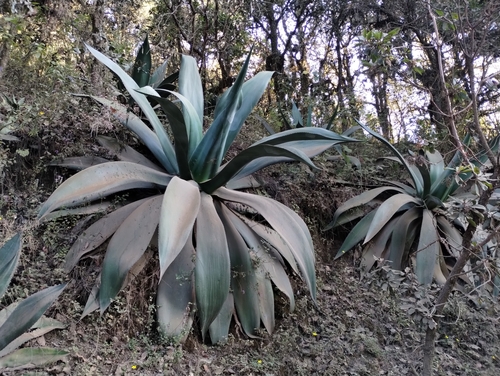
Polygonatum vulgare

Gueldenst.

AsparagaceaeRootsPotential hazards — see below
Caution — Parts of this plant may be toxic or require specific preparation. Verify with multiple sources before consuming.
Polygonatum vulgare
wikimedia · cc-by-sa
Wikimedia Commons - Myrabella
Polygonatum vulgare
wikimedia · cc-by-sa
Wikimedia Commons - Hans Hillewaert

What to Eat

Edible parts: Rhizome, Root

The underground stem or rhizome is eaten.

Known Hazards

Polygonatum odoratum is used in traditional Chinese medicine and Traditional Korean medicine, where it is called yùzhú (玉竹) and dunggulle (둥굴레) respectively. In Korea, the root of the plant is used to make tea. This plant species is described in the work Plantas Medicinales (medicinal plants) of Pius Font i Quer. According to it, its rhizome contains asparagine, mucilage, a cardio-tonic glycoside, saponin, and quinine gluconate. It has been used for intestinal problems and pain, for rheumatism, gout, water retention, and as a diuretic. He says that the scientific medicine has used it to treat diabetes. He also describes a digestive liquor that uses the rhizome of this plant. The young shoots of the plants may be boiled and served like asparagus. The stems, leaves, and berries, however, must be treated with caution, as they are thought to be toxic if consumed in large quantities. Its rhizome contains scattered raphides, but only in the cortex (outer layer).

Where to Find It

It is a temperate plant.

Asia, China,

Countries: United Arab Emirates, Afghanistan, Armenia, Azerbaijan, Bangladesh, Bahrain, Brunei, Bhutan, China, Georgia, Indonesia, Israel, India, Iraq, Iran, Jordan, Japan, Kyrgyzstan, Cambodia, North Korea, South Korea, Kuwait, Kazakhstan, Laos, Lebanon, Sri Lanka, Myanmar, Mongolia, Maldives, Malaysia, Nepal, Oman, Philippines, Pakistan, Qatar, Saudi Arabia, Singapore, Syria, Thailand, Tajikistan, Timor-Leste, Turkmenistan, Turkey, Taiwan, Uzbekistan, Vietnam, Yemen

How to Identify

A temperate herb in the Asparagaceae family.

Notes

There are about 50 Polygonatum species. Also put in the family Convallariaceae.

References (1)
  • READ,

More from Asparagaceae