Pouteria multiflora
(A. de Candolle) Eyma
Bully tree, Choky apple
(c) Kurt Miller, some rights reserved (CC BY-NC)
(c) Kurt Miller, some rights reserved (CC BY-NC)
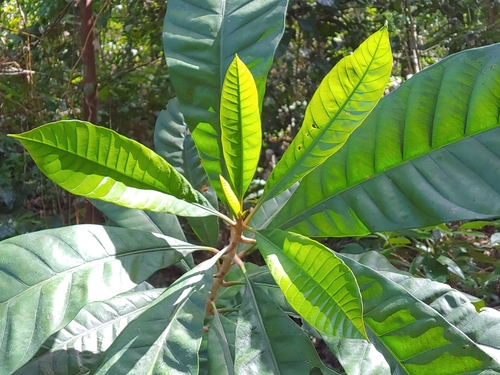
(c) Kurt Miller, some rights reserved (CC BY-NC)
What to Eat
Edible parts: Altschul, S.V.R., 1973, Drugs and Foods from Little-known Plants. Notes in Harvard University Herbaria. Harvard Univ. Press. Massachusetts. no. 3238 Fouqué, A., 1972, Espèces fruitières d'Amérique tropicale. Institut français de recherches fruitierès outre-mer (ifac) Galeano, G., 2000, Forest Use at the Pacific Coast of Choco, Colombia: A Quantitative Approach. Economic Botany, Vol. 54, No. 3, pp. 358-376 (Could be pig food!) Grandtner, M. M., 2008, World Dictionary of Trees. Wood and Forest Science Department. Laval University, Quebec, Qc Canada. (Internet database http://www.wdt.qc.ca) Grandtner, M. M. & Chevrette, J., 2013, Dictionary of Trees, Volume 2: South America: Nomenclature, Taxonomy and Ecology. Academic Press p 527 Kermath, B. M., et al, 2014, Food Plants in the Americas: A survey of the domesticated, cultivated and wild plants used for Human food in North, Central and South America and the Caribbean. On line draft. p 693 Lopez-Diago, D. & Garcia, N., 2021, Wild edible fruits of Colombia. Biota ColomBiana 22 (2) p 51 Penafield Anchundia, D. D., 2017, Traditional food consumption and its nutritional contribution in Guasaganda, Central Ecuador. PhD Ghent University p 72 Pennington, T.D., 1990, Sapotaceae in Flora Neotropica Monograph 52. New York Botanical Gardens. p 391 Pilz, G. E., 1981, Sapotaceae of Panama. Annals of Missouri Botanical Garden. Vol. 68. No. 1 p 177 (As Pouteria carabobensis) Recueil Trav. Bot. Neerl. 33:164. 1936 Roa, J. A. G. & Boada, D. S. G., 2018, Fundación para el Fortalecimiento de la Fruticultura y Plantas Alimenticias no Convencionales en Colombia. Smith, N., et al, 2007, Amazon River Fruits. Flavors for Conservation. Missouri Botanical Gardens Press. p 234 Torre, de la, L., et al, 2008, Enciclopedia de las Plantas Útiles del Ecuador. Herbario QCA. Pontificia Universidad Católica del Ecuador. p 573 Vasquez, R. and Gentry, A. H., 1989, Use and Misuse of Forest-harvested Fruits in the Iquitos Area. Conservation Biology 3(4): 350f www.colecionandofrutas.org
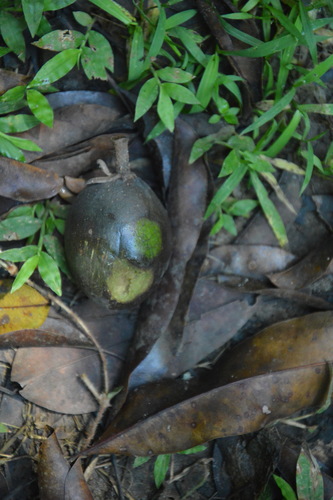
Fruit - raw. A sparse, but sweetish pulp with a creamy to pasty texture and a mild, pleasant flavour. Edible but mealy and almost tasteless. The orange-yellow coloured round or elliptic fruits are 35 - 50mm long and 30mm wide, usually containing a single, large seed.
Where to Find It
S. America - northern Brazil, Peru, Ecuador, Colombia, Venezuela; C. America - Panama; Caribbean - Trinidad to Jamaica.
Amazon, Antilles, Bermuda, Bolivia, Brazil, Caribbean, Central America, Colombia, Dominica, Dominican Republic, Ecuador, Greater Antilles, Grenada, Guadeloupe, Haiti, Hispaniola, Jamaica, Leeward Islands, Martinique, Montserrat, Nevis, Panama, Peru, Puerto Rico, South America*, St Kitts & Nevis, St Lucia, St. Vincent and Grenadines, Trinidad and Tobago, Venezuela, Virgin Islands, West Indies, Windward Islands,
How to Identify
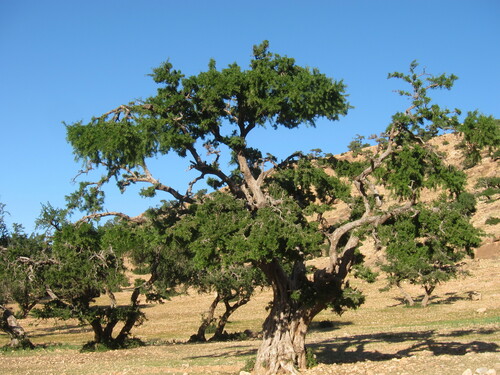
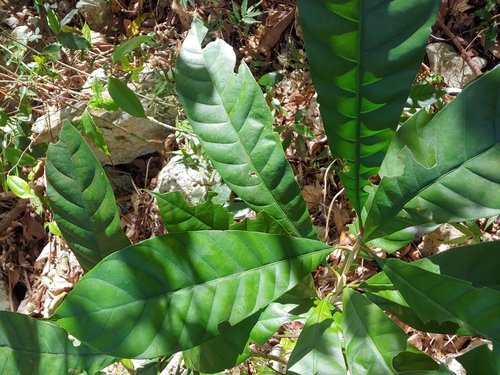
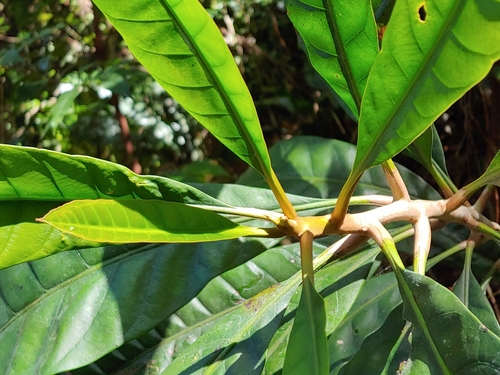
Pouteria multiflora is a tropical tree in the Sapotaceae family native to South America. The fruit are sold in local markets and plants are propagated from seed.
How to Grow
Plants are grown from seed.
Propagation: Seed - it cannot tolerate being dried and so is best sown as soon as it is ripe. Sow the large seed in situ or in individual containers, either in light shade or in full sun. The seed can sprout within 20 - 70 days with a 50 - 100% germination rate. Approximately 20% of seedlings produce multiple leaders. Seedlings are ready to plant out when 40cm tall, at about the age of 5 months.
Other Uses
The heartwood is reddish brown; it is not clearly demarcated from the light brown sapwood. It is fine-textured; generally straight-grained; medium to low lustre; and without evident growth rings. The wood is very hard, very heavy, firm, strong, but it is susceptible to attack by dry-wood termites. Air-seasoning is slow, difficult, and with considerable degrade. It is fairly difficult to work due to its high density, hardness and silica content; planing and resistance to screw splitting are fair; shaping, turning, mortising, and sanding are good; and boring is excellent. The wood is used principally for construction and also for furniture. Uses elsewhere include heavy construction, house framing, bridgework, and posts. The wood is commonlyused for fuel.
Other Information
The fruit are sold in markets.
Notes
There are about 150-320 Pouteria species. They grow in the tropics.
Names & Synonyms
j cana, Broadleaved Lucuma, Co'siarirotoa, Hakaba, Jacana, Logma, Menegowe, Pennepis
References (16)
- Altschul, S.V.R., 1973, Drugs and Foods from Little-known Plants. Notes in Harvard University Herbaria. Harvard Univ. Press. Massachusetts. no. 3238
- Fouqué, A., 1972, Espèces fruitières d'Amérique tropicale. Institut français de recherches fruitierès outre-mer (ifac)
- Galeano, G., 2000, Forest Use at the Pacific Coast of Choco, Colombia: A Quantitative Approach. Economic Botany, Vol. 54, No. 3, pp. 358-376 (Could be pig food!)
- Grandtner, M. M., 2008, World Dictionary of Trees. Wood and Forest Science Department. Laval University, Quebec, Qc Canada. (Internet database http://www.wdt.qc.ca)
- Grandtner, M. M. & Chevrette, J., 2013, Dictionary of Trees, Volume 2: South America: Nomenclature, Taxonomy and Ecology. Academic Press p 527
- Kermath, B. M., et al, 2014, Food Plants in the Americas: A survey of the domesticated, cultivated and wild plants used for Human food in North, Central and South America and the Caribbean. On line draft. p 693
- Lopez-Diago, D. & Garcia, N., 2021, Wild edible fruits of Colombia. Biota ColomBiana 22 (2) p 51
- Penafield Anchundia, D. D., 2017, Traditional food consumption and its nutritional contribution in Guasaganda, Central Ecuador. PhD Ghent University p 72
- Pennington, T.D., 1990, Sapotaceae in Flora Neotropica Monograph 52. New York Botanical Gardens. p 391
- Pilz, G. E., 1981, Sapotaceae of Panama. Annals of Missouri Botanical Garden. Vol. 68. No. 1 p 177 (As Pouteria carabobensis)
- Recueil Trav. Bot. Neerl. 33:164. 1936
- Roa, J. A. G. & Boada, D. S. G., 2018, Fundación para el Fortalecimiento de la Fruticultura y Plantas Alimenticias no Convencionales en Colombia.
- Smith, N., et al, 2007, Amazon River Fruits. Flavors for Conservation. Missouri Botanical Gardens Press. p 234
- Torre, de la, L., et al, 2008, Enciclopedia de las Plantas Útiles del Ecuador. Herbario QCA. Pontificia Universidad Católica del Ecuador. p 573
- Vasquez, R. and Gentry, A. H., 1989, Use and Misuse of Forest-harvested Fruits in the Iquitos Area. Conservation Biology 3(4): 350f
- www.colecionandofrutas.org