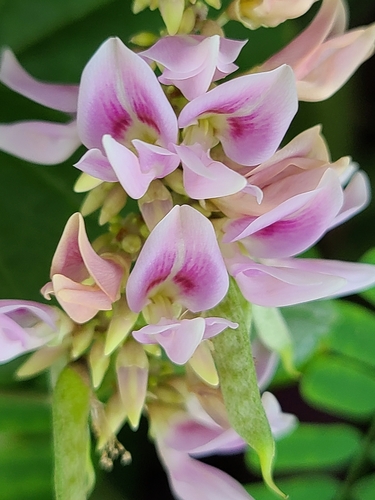
Prosopis affinis
Griseb.
Algarobia
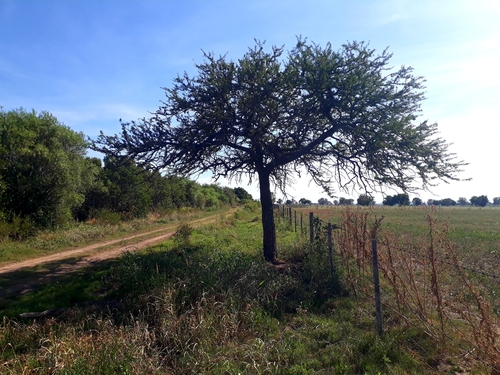
(c) Leonardo Adrián LEIVA, some rights reserved (CC BY-NC)
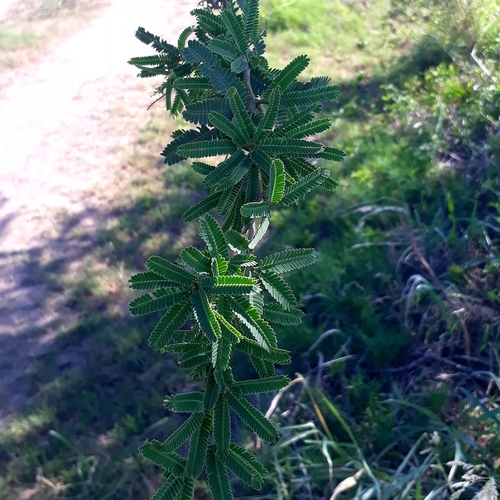
(c) Leonardo Adrián LEIVA, some rights reserved (CC BY-NC)
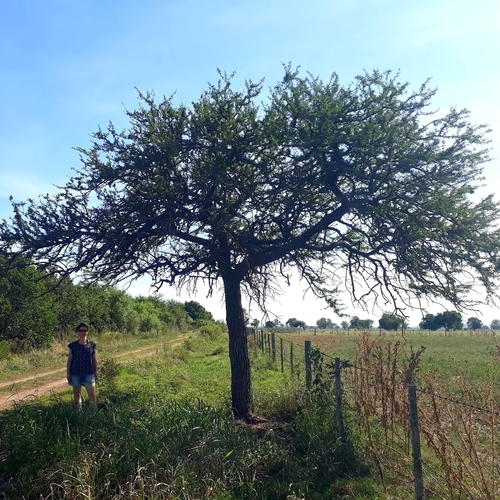
(c) Leonardo Adrián LEIVA, some rights reserved (CC BY-NC)
What to Eat
Edible parts: Seeds, Fruit
The seedpods of many Prosopis species contain a fleshy pulp that is edible, usually with a sweet flavour. We have no specific information for this species other than the seedpod is 7 - 17cm long, 9 - 16mm wide and 6 - 8mm thick, containing a thin layer of acidic pulp.
Where to Find It
It is a subtropical plant. In Argentina it grows from sea level to 1,000 m above sea level.
Argentina, Brazil*, Mexico, Paraguay, South America*, Uruguay,
How to Identify
A shrub. The leaves have small leaflets along the stalk. The pods are curved and have about 15 seeds. They are enlarged over the seeds.
How to Grow
Prosopis affinis is a plant of low elevations in the tropics and subtropics, being found as far south as about 30°s in northeastern Argentina, where it can experience occasional light frost. It grows better where the mean annual rainfall is in the range 600 - 1,200mm. Prefers a sunny position. Established trees are drought tolerant. The growth rate of this species is not as slow as many people believe where the species is cultivated from Chaco seed. Specimens were full-grown and produced mature fruits for the first time at the age of 7½ years when they were 3.5 metres tall with a trunk 75mm in diameter. The flowers are a valuable bee fodder. There are conflicting reports on whether or not this tree has a symbiotic relationship with certain soil bacteria, so it is unclear as to whether this tree fixes atmospheric nitrogen.
Propagation: Like many species within the family Fabaceae, once they have ripened and dried the seeds of this species may benefit from scarification before sowing in order to speed up and improve germination. This can usually be done by pouring a small amount of nearly boiling water on the seeds (being careful not to cook them!) and then soaking them for 12 - 24 hours in warm water. By this time they should have imbibed moisture and swollen - if they have not, then carefully make a nick in the seedcoat (being careful not to damage the embryo) and soak for a further 12 hours before sowing.
Other Uses
The heartwood is greyish-red; it is demarcated from the thin band of white sapwood. The wood is compact, very hard, heavy, little elastic and very durable. It is highly valued when used for posts and is also used for furniture, construction work. The wood is a valuable firewood and makes an excellent charcoal. This species is to be recommended for reforestation. A potential shade tree, protecting undergrowing vegetation from winter frosts and providing shade in the summer. The flowers are an excellent source of nectar and pollen for bees.
Notes
Also as Mimosaceae.
Names & Synonyms
Algarrobillo, Espinillo, Ibope-moroti, Maktek, Nandubay, Nhanduva
References (7)
- Brack, P., et al, 2020, Frutas nativas do Rio Grande do Sul, Brasil: riqueza e potencial alimentício. Native fruits of Rio Grande do Sul, Brazil: richness and potential as food. Rodriguésia 71: e03102018.
- Hedrick, U.P., 1919, (Ed.), Sturtevant's edible plants of the world. p 517 (As Prosopis algarobilla)
- Martin, F. W., et al, 1987, Perennial Edible Fruits of the Tropics. USDA Handbook 642 p 99 (As Prosopis algarobilla)
- Malezas Comestibles del Cono Sur, INTA, 2009, Buernos Aires
- Menninger, E.A., 1977, Edible Nuts of the World. Horticultural Books. Florida p 99 (As Prosopis algarobilla)
- Polini, G., et al, Useful and edible plants of Paraguay Region of Chaco. p 80
- Segura, S., et al, 2018, The edible fruit species in Mexico. Genet Resour Crop Evol (2018) 65:1767–1793