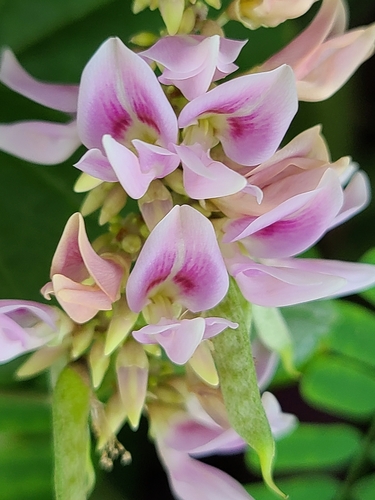
Prosopis dulcis
Kunth
Algaroba, Cashau, Pacay
FabaceaeSeeds/Nuts
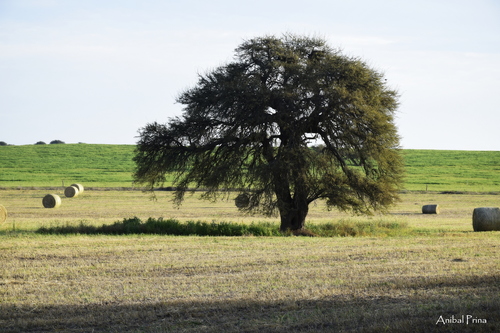
iNaturalist · cc-by-nc
(c) Anibal Prina, some rights reserved (CC BY-NC)
(c) Anibal Prina, some rights reserved (CC BY-NC)
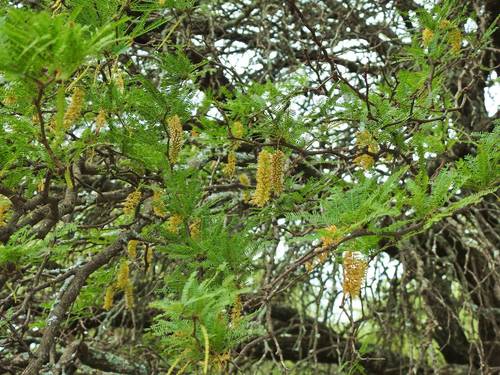
iNaturalist · cc-by-nc
(c) Alicia, some rights reserved (CC BY-NC)
(c) Alicia, some rights reserved (CC BY-NC)
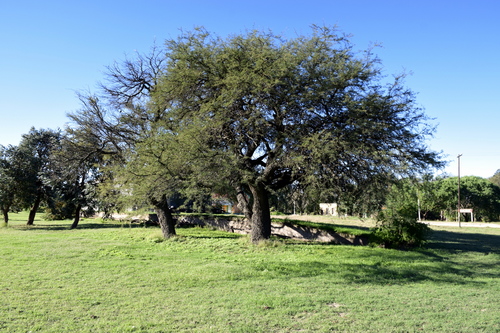
iNaturalist · cc-by-nc
(c) Anibal Prina, some rights reserved (CC BY-NC)
(c) Anibal Prina, some rights reserved (CC BY-NC)
What to Eat
Edible parts: Seeds
The ripe seeds are ground into flour.
Where to Find It
A tropical plant. It grows in the tropics of South America.
Brazil, Peru, Puerto Rico, South America, West Indies,
Countries: Antigua & Barbuda, Argentina, Barbados, Bolivia, Brazil, Bahamas, Chile, Colombia, Cuba, Dominica, Dominican Republic, Ecuador, Grenada, French Guiana, Guyana, Haiti, Jamaica, St Kitts & Nevis, St Lucia, Peru, Puerto Rico, Paraguay, Suriname, Trinidad & Tobago, Uruguay, St Vincent, Venezuela
How to Identify
A tropical tree in the legume family native to South America, with edible ripe seeds that are commercially sold as pods in markets.
Other Information
Pods are sold in markets.
Notes
Also as Mimosaceae.
References (4)
- Hedrick, U.P., 1919, (Ed.), Sturtevant's edible plants of the world. p 517
- Martin, F. W., et al, 1987, Perennial Edible Fruits of the Tropics. USDA Handbook 642 p 99
- Menninger, E.A., 1977, Edible Nuts of the World. Horticultural Books. Florida p 99
- Mimoses 110. 1822