Prunus armeniaca
L.
Apricot

(c) PROPOLI87, some rights reserved (CC BY-SA)
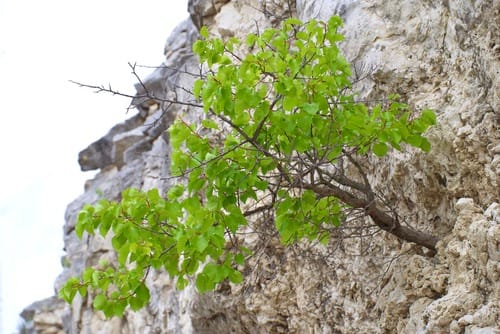
(c) Michelle W. (鍾偉瑋), some rights reserved (CC BY)

(c) lucyjfrank, some rights reserved (CC BY-NC), uploaded by lucyjfrank
What to Eat
Edible parts: Fruit, Kernels, Seeds - oil, Nuts -caution, Flowers - tea
The fruit can be eaten raw, cooked or dried for later use. The best forms are soft and juicy with a rich, delicious flavour. Wild trees in the Himalayas yield around 47.5kg of fruit per year. The flesh of the wild form contains about 6.3% sugars, 0.7% protein, 2.5% ash, 2.5% pectin and around 10mg of vitamin C per 100g of pulp. Each fruit is about 5cm in diameter and contains one large seed. Sweet seeds can be eaten freely raw or cooked; bitter seeds should be eaten only in strict moderation. Bitter seeds can substitute for bitter almonds in marzipan and similar preparations. An edible gum is obtained from the trunk, and the seed yields an edible semi-drying oil of up to 50% of seed weight.
Known Hazards
Where to Find It
It is a temperate plant. It is native to C. Asia and N. China. It grows in cool areas with hot dry summers. They do best on a free draining soil. In Nepal plants grow between 2500-3500 m altitude. It does well in areas with 100 cm rainfall, cool winters with 300-900 chilling hours below 7°C and frost free spring. A pH of 6-6.8 is suitable. It needs good sunlight. It suits hardiness zones 5-10.
Afghanistan, Africa, Andorra, Arabia, Argentina, Armenia, Asia, Australia, Azerbaijan, Balkans, Brazil, Britain, Bulgaria, Canada, Caucasus, Central Asia, Chile, China*, Colombia, East Africa, Ecuador, Egypt, Europe, France, Georgia, Greece, Himalayas, Hungary, India, Indochina, Indonesia, Iran, Iraq, Italy, Japan, Korea, Kazakhstan, Kurdistan, Kyrgyzstan, Lithuania, Macedonia, Malawi, Malaysia, Mediterranean, Mexico, Middle East, Moldova, Mongolia, Morocco, Myanmar, Nepal, North Africa, North America, Northeastern India, NW India, Pakistan, Romania, Russia, SE Asia, Serbia, Siberia*, South Africa, Southern Africa, South America, Spain, Switzerland, Syria, Tajikistan, Thailand, Turkestan, Turkey, Türkiye, Turkmenistan, Tasmania, USA, Uzbekistan, Vietnam, Zimbabwe,
How to Identify
A medium sized deciduous tree. It grows 10 m tall. It is a broad spreading shape. The bark is dark red-brown and smooth and shiny. The leaves have stalks. The leaves are broadly oval. They are 10 cm long by 6 cm wide. They are rounded at the base and taper to the tip. They have shallow round teeth along the edge. The leaves are glossy and dark green. The flowers are 2.5 cm across and pale pink or white. They are almost without stalks and have 5 petals. They occur singly on old shoots. The fruit is fleshy and rounded. It is yellow and can be flushed with red. There is a hard covering over the seed. This stone is smooth. The seeds are oval. The flesh is edible. The seeds are edible.
Nutrition Score: 23/100
| Part | Moisture | kJ | kcal | Protein | Vit A | Vit C | Iron | Zinc |
|---|---|---|---|---|---|---|---|---|
| Fruit raw | 86.6 | 117 | 28 | 0.6 | 1500 | 7 | 0.4 | 0.1 |
| Fruit boiled | 82.6 | 92 | 22 | 0.4 | 1180 | 5 | 0.3 | 0.1 |
How to Grow
Global Fruit Crop Industrial Crop: Oil Management: Standard Staple Crop: Protein-oil. Requires a well-drained moisture-retentive fertile soil in a warm sunny position. Succeeds in light shade but fruits better in a sunny position. Thrives in a loamy soil, doing well on limestone. Prefers some chalk in the soil but is apt to become chlorotic if too much is present. Prefers a pH in the range 6.5 to 7.5. Dislikes clay soils. Intolerant of saline soils. Trees drop their fruit buds if there is a summer drought. The apricot is widely cultivated for its edible fruit in temperate areas that have long hot summers, there are many named varieties. The tree is perfectly hardy in Britain but it usually flowers very early in the spring and the flowers are then liable to be destroyed by frosts. It really requires a more continental climate (with its clearly defined seasons) than it gets in Britain. However, if given the benefit of a south or west facing wall and some protection from frosts when it is in flower, reasonable crops can usually be produced in southern England. The plants are self-fertile, but hand pollination would be advisable since they are normally flowering before many pollinating insects are active. In Britain apricots are usually grown on plum rootstocks, 'St. Julien A' is the most widely used. The dwarfing rootstock 'Pixie' is also a possibility, but this must be double worked with 'St. Julien A' because it is incompatible with apricots. Any pruning should be carried out in the summer to allow rapid healing and therefore less risk of infection. Oats should not be grown near apricots because their roots have an antagonistic effect on the roots of the apricot. Tomatoes and potatoes are also bad companions for apricots. If nasturtiums (Tropaeoleum spp) are grown under apricots they will make the fruit less palatable to insects, though this is not detectable by the human palate. Most members of this genus are shallow-rooted and will produce suckers if the roots are damaged. Plants in this genus are notably susceptible to honey fungus. Harvesting typically occurs in late summer to early autumn, with specific timing varying by species. For instance, plums and peaches are usually harvested from July to September (Northern Hemisphere), while almonds are harvested in August to September (Northern Hemisphere). Prunus species usually flower in early spring, often between March and April (Northern Hemisphere), depending on the species and local climate. Growth rates vary among species, but Prunus trees generally grow moderately fast, often reaching full height in 3 to 5 years. However, they may take several years to bear fruit, depending on the species and growing conditions. It varies by species. Some Prunus species (like many plums and almonds) are self-fertile, while others (like sweet cherries and certain apricots) require cross-pollination with another compatible variety for optimal fruit set.
Propagation: Seed requires 2–3 months of cold stratification and is best sown in a cold frame as soon as it is ripe. Stored seed should be sown in a cold frame as early in the year as possible, with protection from mice. Germination can be slow, sometimes taking 18 months. Prick seedlings into individual pots when large enough to handle, overwinter in a greenhouse or cold frame, then plant out in late spring or early summer the following year. Half-ripe wood cuttings with a heel taken in July/August in a frame are difficult. Softwood cuttings from strongly growing plants taken in spring to early summer in a frame are also difficult. Layering can be done in spring.
Medicinal Uses
Apricot fruits contain citric and tartaric acid, carotenoids and flavonoids. They are nutritious, cleansing and mildly laxative, and make a valuable dietary addition that works gently to improve overall health. The salted fruit is anti-inflammatory and antiseptic, used in Vietnam to treat respiratory and digestive diseases. The plant is also used as an antipyretic, antiseptic, emetic and ophthalmic. The flowers are tonic and are said to promote fecundity in women. The bark is astringent, and the inner bark and/or root are used to treat poisoning from bitter almond and apricot seeds, which contain hydrogen cyanide; a decoction of the outer bark is also used to neutralise hydrogen cyanide effects and to soothe inflamed or irritated skin. The seed is analgesic, anthelmintic, antiasthmatic, antispasmodic, antitussive, demulcent, emollient, expectorant, pectoral, sedative and vulnerary, and is used to treat asthma, coughs, acute or chronic bronchitis and constipation. The seed contains laetrile, sometimes called vitamin B17, which has been claimed to have a positive effect in treating cancer, though evidence is currently limited. The pure substance is almost harmless, but on hydrolysis it yields hydrocyanic acid, a very rapidly acting poison, and should be treated with caution. In small amounts this exceedingly poisonous compound stimulates respiration, improves digestion and gives a sense of well-being.
Other Uses
Prunus species work well as windbreaks and in alley cropping systems, supporting pollinators, wildlife and soil health. The seed yields an edible semi-drying oil also used for lighting; this oil has a softening effect on skin and is used in perfumery, cosmetics and pharmaceuticals. The leaves yield a green dye and the fruit a dark grey to green dye. The wood is handsome, hard and durable, and is used for agricultural implements and similar purposes. Flowers are rich in nectar and pollen, supporting bees, butterflies and other pollinators. Fruits feed birds and mammals, and the trees provide shelter, nesting and roosting sites. Bark and leaf litter offer overwintering habitat for invertebrates.
Wikipedia
Source ↗Prunus armeniaca is the most commonly cultivated apricot species. The native range is somewhat uncertain due to its extensive prehistoric cultivation. Genetic studies indicate Central Asia is the center of origin. It is extensively cultivated in many countries and has escaped into the wild in many places. The specific epithet armeniaca refers to the country of Armenia in Western Asia.
Production
Trees fruit is 3-4 years. Fruit are picked by hand.
Other Information
It is a cultivated fruit tree. It is sold in local and global markets.
Notes
There are about 200 Prunus species.
Names & Synonyms
Aberikos, Abrico, Abricotier, Abrikos, Albericoque, Albicocca, Aprikhot, Aprikosenbaum, Apurikotto, Asher, Chabacano, Chinese almond, Chudri, Chuli, Damasco, Epulokoti, Haari, Hari, Hung ngan, Jarot, Kham-bu, Khubani, Khumani, Khurpani, Kushmiaru, Malhei, Saari, Siberian apricot, Swari, Tsiraneni, Xing, Yexing, Zangali sharay, Zardalu, Zerdali, Zurdalu
References (86)
- Ambasta, S.P. (Ed.), 2000, The Useful Plants of India. CSIR India. p 494
- Amin, M., et al, 2023, Edible wild plant species used by different linguistic groups of Kohistan Upper Khyber Pakhtunkhwa (KP), Pakistan. Journal of Ethnobiology and Ethnomedicine 19:6 p 11
- Arora, R. K., 2014, Diversity in Underutilized Plant Species - An Asia-Pacific Perspective. Bioversity International. p 82
- Awan, M. R., et al, 2011, Studies on traditional knowledge of economically important plants of Kaghan Valley, Mansehra District, Pakistan. Journal of Medicinal Plants Research Vol. 5(16), pp. 3958-3967
- Ballabh, B., et al, 2007, Raw edible plants of cold desert Ladakh. Indian Journal of Traditional Knowledge. 6(1) pp 182-184
- Battacharyya, A., 1991, Ethnobotanical Observations in the Ladakh Region of Northern Jammu and Kashmir State, India. Economic Botany, Vol. 45, No. 3, pp. 305-308
- Bhatia, H., et al, 2018, Traditionally used wild edible plants of district Udhampur, J&K, India. Journal of Ethnobiology and Ethnomedicine (2018) 14:73
- Blamey, M and Grey-Wilson, C., 2005, Wild flowers of the Mediterranean. A & C Black London. p 77
- Bodkin, F., 1991, Encyclopedia Botanica. Cornstalk publishing, p 840
- Bremness, L., 1994, Herbs. Collins Eyewitness Handbooks. Harper Collins. p 76
- Bussman, R. W., et al, 2016, A comparative ethnobotany of Khevsureti, Samtskhe-Javakheti, Tusheti, Svaneti, and Racha-Lechkhumi, Republic of Georgia (Sakartvelo), Caucasus. Journal of Ethnobiology and Ethnomedicine (2016) 12:4 (As Armeniaca vulgaris)
- Bussman, R. W. et al, 2017, Ethnobotany of Samtskhe-Javakheti, Sakartvelo (Republic of Georgia), Caucasus. Indian Journal of Traditional Knowledge Vol. 16(1) pp 7-24 (Also as Armeniaca vulgaris)
- Bussman, R. W., et al, 2021, Unity in diversity—food plants and fungi of Sakartvelo (Republic of Georgia), Caucasus. Journal of Ethnobiology and Ethnomedicine (2021) 17:72 p 14
- Chamorro, M. F., & Ladio, A., 2020, Native and exotic plants with edible fleshy fruits utilized in Patagonia and their role as sources of local functional foods. BMC Complementary Medicine and Therapies. 20:155
- Coombes, A.J., 2000, Trees. Dorling Kindersley Handbooks. p 258
- Cruz, I. M., et al, 2015, Edible fruits and seeds in the State of Mexico. Revista Mexicana de Ciencias Agricolas. Vol. 6. Num. 2 pp 331-346
- Cundall, P., (ed.), 2004, Gardening Australia: flora: the gardener's bible. ABC Books. p 1092
- DARLINGTON & AMMAL,
- Dashorst, G.R.M., and Jessop, J.P., 1998, Plants of the Adelaide Plains & Hills. Botanic Gardens of Adelaide and State Herbarium. p 74
- Dobriyal, M. J. R. & Dobriyal, R., 2014, Non Wood Forest Produce an Option for Ethnic Food and Nutritional Security in India. Int. J. of Usuf. Mngt. 15(1):17-37
- Dorjey, K., et al, 2012, Ethnobotanical observations in Trans-Himalayan Region of Ladakh. Journal of Plant Development Sciences Vol. 4 (4): 459-464.
- Dzhangaliev, A. D., et al, 2003, The Wild Fruit and Nut Plants of Kazakhstan, Horticultural Reviews, Vol. 29. pp 305-371
- Eastwood, A., et al, 2009. The Red List of Trees of Central Asia. Fauna & Flora International. (As Armeniaca vulgaris)
- Facciola, S., 1998, Cornucopia 2: a Source Book of Edible Plants. Kampong Publications, p 194 (As Armeniaca vulgaris)
- Flowerdew, B., 2000, Complete Fruit Book. Kyle Cathie Ltd., London. p 40
- Hu, Shiu-ying, 2005, Food Plants of China. The Chinese University Press. p 441
- Glowinski, L., 1999, The Complete Book of Fruit Growing in Australia. Lothian. p 74
- GUPTA,
- Haj, F., et al, 2012, Species Diversity and Ethno Botanical Classes of the Flora of Allai Valley District Battagram Pakistan. International Journal of Plant Research 2012, 2(4): 111-123
- Hamayun, M., Ethnobotanical Studies of some Useful Shrubs and Trees of District Buner, NWFP, Pakistan
- Hedrick, U.P., 1919, (Ed.), Sturtevant's edible plants of the world. p 519
- Hibbert, M., 2002, The Aussie Plant Finder 2002, Florilegium. p 240
- INFOODS:FAO/INFOODS Databases
- Jabeen, A., et al, 2009, Indigenous uses of economically important flora of Margallah Hills National Park, Islamabad, Pakistan. African Journal of Biotechnology Vol. 8 (5), pp. 763-784
- Jackes, D. A., 2007, Edible Forest Gardens
- Jardin, C., 1970, List of Foods Used In Africa, FAO Nutrition Information Document Series No 2.p 156
- John, L., & Stevenson, V., 1979, The Complete Book of Fruit. Angus & Robertson p 57
- Kang, Y., et al, 2012, Wild food plants and wild edible fungi in two valleys on the Qinling Mountains (Shaanxi, central China) Journal of Ethnobiology and Ethnomedicine; 9:26
- Karki, S., et al, 2017, Minor Fruits in Nepal: Utilization and Conservation Efforts. Proceedings of 2nd National Workshop on CUAPGR, 2017.
- Khan, A. H., et al, 2023, Traditional foraging for ecological transition? Wild food ethnobotany among three ethnic groups in the highlands of the eastern Hindukush, North Pakistan. Journal of Ethnobiology and Ethnomedicine 19:9
- Khan, D. & Shaukat, S.S., 2006, The Fruits of Pakistan: Diversity, Distribution, Trends of Production and Use. Int. J. Biol. Biotech., 3(3):463-499
- Khan, W., et al, Ethnomedicinal plants of Kakul Hills, District Abbottabad, KPK, Pakistan.
- Lazarides, M. & Hince, B., 1993, Handbook of Economic Plants of Australia, CSIRO. p 199
- Liu, Yi-tao, & Long, Chun-Lin, 2002, Studies on Edible Flowers Consumed by Ethnic Groups in Yunnan. Acta Botanica Yunnanica. 24(1):41-56
- Lord, E.E., & Willis, J.H., 1999, Shrubs and Trees for Australian gardens. Lothian. p 66
- Lorenzi, H., Bacher, L., Lacerda, M. & Sartori, S., 2006, Brazilian Fruits & Cultivated Exotics. Sao Paulo, Instituto Plantarum de Estuados da Flora Ltda. p 496
- Macmillan, H.F. (Revised Barlow, H.S., et al) 1991, Tropical Planting and Gardening. Sixth edition. Malayan Nature Society. Kuala Lumpur. p 317
- Manandhar, N.P., 2002, Plants and People of Nepal. Timber Press. Portland, Oregon. p 382
- Masoodi, H. U. R. & Sundriyal, R. C., 2020, Richness of non-timber forest products in Himalayan communities—diversity, distribution, use pattern and conservation status. Journal of Ethnobiology and Ethnomedicine 16:56
- Menninger, E.A., 1977, Edible Nuts of the World. Horticultural Books. Florida p 58
- Moerman, D. F., 2010, Native American Ethnobotany. Timber Press. p 440
- Morley, B. & Everard, B., 1970, Wild Flowers of the World. Ebury press. Plate 45
- Mukemre, M., et al, 2016, Survey of wild food plants for human consumption in villages of Catak, (Van-Turkey), Indian Journal of Traditional Knowledge. Vol. 15(2) pp. 183-191
- Nanagulyan, S., et al, 2020, Wild plants and fungi sold in the markets of Yerevan (Armenia). Journal of Ethnobiology and Ethnomedicine 16:26
- Negi, P. S. & Subramani, S. P., 2015, Wild Edible Plant Genetic Resources for Sustainable Food Security and Livelihood of Kinnaur District, Himachal Pradesh, India, International Journal of Conservation Science. 6 (4): 657-668
- Parmar, C., & Kaushel, M. K., 1982, In Wild Fruits. Kalyani Publishers, New Delhi, India. p 66
- Pham-Hoang Ho, 1999, An Illustrated Flora of Vietnam. Nha Xuat Ban Tre. p 805
- Plants for a Future database, The Field, Penpol, Lostwithiel, Cornwall, PL22 0NG, UK. http://www.scs.leeds.ac.uk/pfaf/
- Polunin, O., & Stainton, A., 2006, Flowers of the Himalaya, Oxford India Paperbacks. p 114
- Postman, J. D., et al, 2012, Recent NPGS Coordinated Expeditions in the Trans-Caucasus Region to Collect Wild Relatives of Temperate Fruit and Nut Crops. In Acta Horticulturae Number 948 p 191-198
- PROSEA No. 2
- Rana, D., et al, 2019, Ethnobotanical knowledge among the semi-pastoral Gujjar tribe in the high altitude (Adhwari’s) of Churah subdivision, district Chamba, Western Himalaya. Journal of Ethnobiology and Ethnomedicine (2019) 15:10
- Rana, J.C. et al, 2011, Genetic resources of wild edible plants and their uses among tribal communities of cold arid regions of India. Genetic Resources and Crop Evolution. 59:135-149
- Rashid, A., Anand, V.K. & Serwar, J., 2008, Less Known Wild Plants Used by the Gujjar Tribe of District Rajouri, Jammu and Kashmir State. International Journal of Botany 4(2):219-244
- Roa, J. A. G. & Boada, D. S. G., 2018, Fundación para el Fortalecimiento de la Fruticultura y Plantas Alimenticias no Convencionales en Colombia.
- Ruiters-Welcome, A. K., 2019, Food plants of southern Africa. Ph.D. thesis. Univ. of Johannesburg p 94
- Segura, S., et al, 2018, The edible fruit species in Mexico. Genet Resour Crop Evol (2018) 65:1767–1793
- Sharma, B.B., 2005, Growing fruits and vegetables. Publications Division. Ministry of Information and broadcasting. India. p 16
- Small, E., 2009, Top 100 Food Plants. The world's most important culinary crops. NRC Research Press. p 88
- Solomon, C., 2001, Encyclopedia of Asian Food. New Holland. p 94
- Sp. pl. 1:474. 1753
- Tardio, J., et al, Ethnobotanical review of wild edible plants in Spain. Botanical J. Linnean Soc. 152 (2006), 27-71
- Thakur, D., et al, 2017, Why they eat, what they eat: patterns of wild edible plants consumption in a tribal area of Western Himalaya. Journal of Ethnobiology and Ethnomedicine (2017) 13:70
- Torre, de la, L., et al, 2008, Enciclopedia de las Plantas Útiles del Ecuador. Herbario QCA. Pontificia Universidad Católica del Ecuador. p 535
- Upreti, K., et al, 2010, Diversity and Distribution of Wild Edible Fruit Plants of Uttarakhand. Bioversity Potentials of the Himalaya. p 180
- Valder, P., 1999, The Garden Plants of China. Florilegium. p 102
- van Wyk, B., 2005, Food Plants of the World. An illustrated guide. Timber press. p 305
- Vlkova, M., et al, 2015, Edible Plants Sold on Marginal Rural Markets in Fergana Valley, Southern Kyrgyzstan. Bulgarian Journal of Agricultural Science, 21 (No 2) 2015, 243–250
- Wang, J. et al, 2013, A Study on the Utilization of Wild Plants for Food in Liangshan Yi Autonomous Prefecture. Plant Diversity and Resources. 35(4): 416-471
- Watkins, R., 1979, Cherry, plum, peach, apricot and almond, in Simmonds, N.W., (ed), Crop Plant Evolution. Longmans. London. p 242
- Welcome, A. K. & Van Wyk, B.-E., 2019, An inventory and analysis of the food plants of southern Africa. South African Journal of Botany 122 (2019) 136–179
- Wickens, G.E., 1995, Edible Nuts. FAO Non-wood forest products. FAO, Rome. p147
- Wiersema, J. H. & Leon, B., 2013, World Economic Plants. A Standard Reference CRC Press. 2nd Ed. p 559
- Williamson, J., 2005, Useful Plants of Malawi. 3rd. Edition. Mdadzi Book Trust. p 208
- World Checklist of Useful Plant Species 2020. Royal Botanic Gardens, Kew
- Zeven, A. C. & de West, J. M. J., 1982, Dictionary of cultivated plants and their regions of diversity. Wageningen. p 100 (As Armeniaca vulgaris)
More from Rosaceae


