Prunus microcarpa
C. A. Mey.
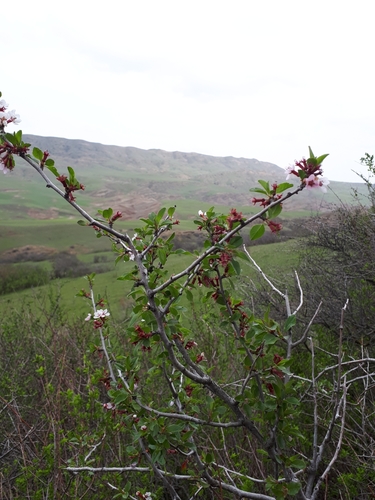
(с) Rati Gelashvili, некоторые права защищены (CC BY-NC), загрузил Rati Gelashvili
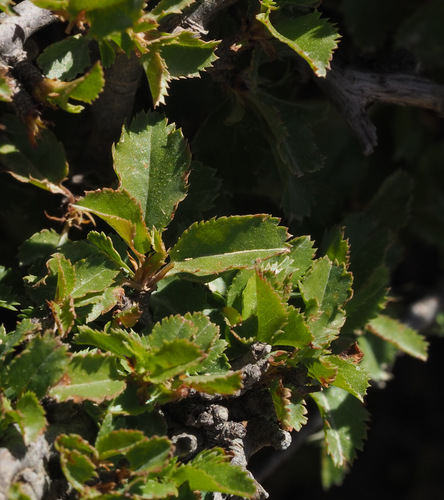
(с) Ron Frumkin, некоторые права защищены (CC BY-NC), загрузил Ron Frumkin
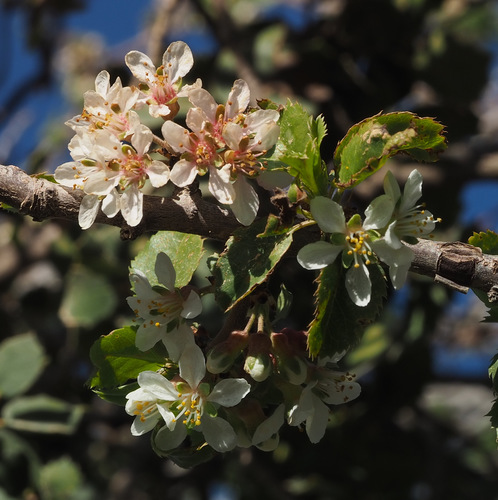
(с) Ron Frumkin, некоторые права защищены (CC BY-NC), загрузил Ron Frumkin
What to Eat
Edible parts: Fruit, Seeds
The fruit is possibly edible raw or cooked and contains a single large seed. The seed is also edible raw or cooked, but should not be eaten if it tastes too bitter.
Known Hazards
Where to Find It
A temperate plant.
Asia, Armenia, Caucasus, Iraq, Middle East, Turkey,
How to Identify
Deciduous shrub with hermaphrodite flowers pollinated by insects, flowering in April. Grows in light sandy, medium loamy, and heavy clay soils with good drainage. Tolerates mildly acid, neutral, and mildly alkaline pH. Requires full sun and thrives in dry or moist soil.
How to Grow
Thrives in a well-drained moisture-retentive loamy soil. Prefers some lime in the soil but is likely to become chlorotic if too much lime is present. Requires the sunniest possible position.Succeeds in a hot dry position, the plants grow best in the drier parts of Britain. Most members of this genus are shallow-rooted and will produce suckers if the roots are damaged. Plants in this genus are notably susceptible to honey fungus.
Propagation: Seed requires 2–3 months of cold stratification and is best sown in a cold frame as soon as it is ripe. Stored seed should be sown in a cold frame as early in the year as possible, with protection from mice. Germination can be slow, sometimes taking 18 months. Prick seedlings into individual pots when large enough to handle, overwinter in a greenhouse or cold frame, then plant out in late spring or early summer the following year. Half-ripe cuttings with a heel can be taken in July/August in a frame; softwood cuttings from vigorous plants in spring to early summer in a frame. Layering in spring is also an option.
Medicinal Uses
No specific medicinal use has been recorded for this species, but all members of the genus contain amygdalin and prunasin, which break down in water to form hydrocyanic acid (prussic acid). In small amounts this highly poisonous compound stimulates respiration, improves digestion, and produces a sense of well-being.
Other Uses
A green dye can be obtained from the leaves, and a dark grey to green dye from the fruit.
Wikipedia
Source ↗Prunus microcarpa, the small-fruited cherry, is a species of Prunus native to Western Asia and the Caucasus.
Other Information
It is sold in local markets.
Notes
There are about 200 Prunus species.
Names & Synonyms
Baleni, Ballaluk, Belalû
References (8)
- Ahmad, S. A. & Askari, A. A., 2015, Ethnobotany of the Hawraman Region of Kurdistan Iraq. Harvard Papers in Botany, Vol. 20, No. 1, 2015, pp. 85–89
- Demir, I. & Ayaz, N., 2022, Wild edible plants contributing to the traditional foods of Mardin (Turkey) Province. Indian Journal of Traditional Knowledge Vol 21(3), July 2022, pp 569-582 (As Cerasus microcarpa)
- Galalaey, A. M. K., et al, 2021, Ethnobotanical study of some wild edible plants in Hujran Bason, Kurdistan Region of Iraq. ZANCO Journal of Pure and Applied Sciences. Salahaddin University-Erbil p 27
- Nanagulyan, S., et al, 2020, Wild plants and fungi sold in the markets of Yerevan (Armenia). Journal of Ethnobiology and Ethnomedicine 16:26
- Pieroni, A., et al, 2017, The spring has arrived: traditional wild vegetables gathered by Yarsanis (Ahl-e Haqq) and Sunni Muslims in Western Hawraman, SE Kurdistan (Iraq). Acta Soc Bot Pol 86(1):3519
- Plants for a Future, The Field, Penpol, Lostwithiel, Cornwall, PL22 0NG, UK. http://www.scs.leeds.ac.uk/pfaf/
- Postman, J. D., et al, 2012, Recent NPGS Coordinated Expeditions in the Trans-Caucasus Region to Collect Wild Relatives of Temperate Fruit and Nut Crops. In Acta Horticulturae Number 948 p 191-198
- Verz. Pfl. Casp. Meer. 166. 1831
More from Rosaceae


