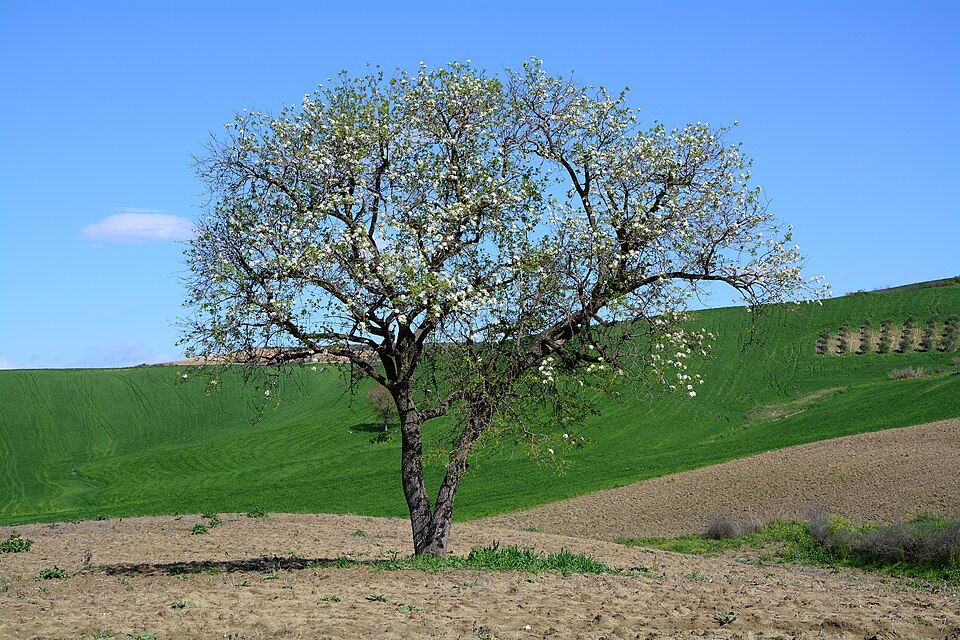
Prunus sp

Plum

RosaceaeFruitPotential hazards — see below
Caution — Parts of this plant may be toxic or require specific preparation. Verify with multiple sources before consuming.
Prunus sp
wikimedia · cc-by-sa
Wikimedia Commons - Rudolphous
Prunus sp
wikimedia · cc-by-sa
Wikimedia Commons - Zeynel Cebeci

What to Eat

Edible parts: Fruit

The fruit is eaten raw or cooked.

Known Hazards

Many species are cyanogenic; that is, they contain compounds called cyanogenic glucosides, notably amygdalin, which, on hydrolysis, yield hydrogen cyanide. Although the fruits of some may be edible by humans and livestock (in addition to the ubiquitous fructivory of birds), seeds, leaves and other parts may be toxic, some highly so. The plants contain no more than trace amounts of hydrogen cyanide, but on decomposition after crushing and exposure to air or on digestion, poisonous amounts may be generated. The trace amounts may give a characteristic taste ("bitter almond") with increasing bitterness in larger quantities, less tolerable to people than to birds, which habitually feed on specific fruits.

Where to Find It

Suitable only for high altitude areas in the tropics. (Japanese plums need less cold weather than European plums to start off flower formation). The soil needs to be well drained. Trees need plenty of sunlight. Trees can stand frost except at flowering. In PNG it is recorded between 1,600-2,600 m above sea level.

Asia, Pacific, Papua New Guinea, PNG, Philippines, SE Asia,

Countries: United Arab Emirates, Afghanistan, Armenia, Australia, Azerbaijan, Bangladesh, Bahrain, Brunei, Bhutan, China, Fiji, Micronesia, Georgia, Indonesia, Israel, India, Iraq, Iran, Jordan, Japan, Kyrgyzstan, Cambodia, Kiribati, North Korea, South Korea, Kuwait, Kazakhstan, Laos, Lebanon, Sri Lanka, Marshall Islands, Myanmar, Mongolia, Maldives, Malaysia, Nepal, Nauru, New Zealand, Oman, Papua New Guinea, Philippines, Pakistan, Palau, Qatar, Saudi Arabia, Solomon Islands, Singapore, Syria, Thailand, Tajikistan, Timor-Leste, Turkmenistan, Tonga, Turkey, Tuvalu, Taiwan, Uzbekistan, Vietnam, Vanuatu, Samoa, Yemen

How to Identify

Slender trees which lose their leaves. The leaves are toothed around the edge and hairy underneath. Leaves in the bud are rolled. Flowers are white. The fruit is a one seeded round fleshy fruit.

How to Grow

Plums are often grown from seed. They can be budded or grafted. many kinds of plums have to be pollinated from other trees.

Other Information

A few trees are established and fruit in the highland areas of Papua New Guinea.

Notes

There are about 200 Prunus species.

References (2)
  • Bourke, R. M., Altitudinal limits of 230 economic crop species in Papua New Guinea. Terra australis 32.
  • French, B.R., 1986, Food Plants of Papua New Guinea, A Compendium. Asia Pacific Science Foundation p 264

More from Rosaceae