Psoralea tenuiflora
Pursh
Slender-flower Lemonweed
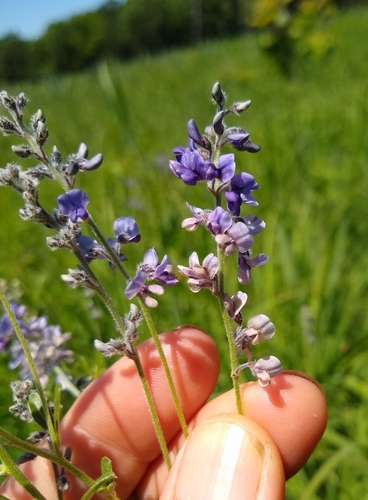
no rights reserved
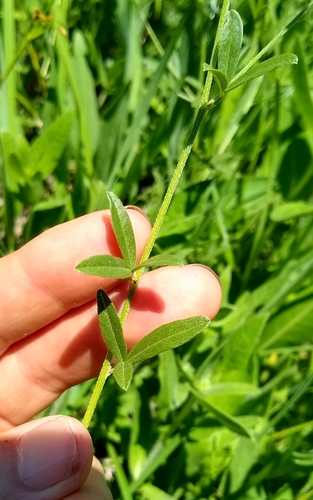
no rights reserved

(c) Brand R, some rights reserved (CC BY)
What to Eat
Edible parts: Root
The root can be eaten raw or cooked, or dried and ground into a powder for use in soups or combined with cereals for making bread. Note that one report suggests this species may not actually produce a tuberous root.
Known Hazards
Where to Find It
It is a temperate plant.
North America, USA,
How to Identify
A 1m-tall perennial with hermaphroditic, insect-pollinated flowers. Nitrogen-fixing species suited to light sandy, medium loamy, and heavy clay soils with good drainage and mildly acid to basic pH. Full sun required; accommodates dry or moist soil.
How to Grow
We have very little information for this species and do not know if it will be hardy in Britain, though judging by its native range it should succeed outdoors in many parts of the country. Some botanists have now renamed this plant, moving it into a new genus as Psoralidium tenuiflorum. The following notes are based on the general needs of the genus. Succeeds in an ordinary garden soil. Requires a well-drained soil in a sunny position. Plants are very intolerant of root disturbance, they are best planted out into their permanent positions whilst still small. This species has a symbiotic relationship with certain soil bacteria, these bacteria form nodules on the roots and fix atmospheric nitrogen. Some of this nitrogen is utilized by the growing plant but some can also be used by other plants growing nearby.
Propagation: Pre-soak seed for 24 hours in warm water, then sow in early to mid spring in a greenhouse. Sow in individual pots, or pot up seedlings as soon as possible to avoid root disturbance, growing them on in pots until planting out in their final positions. Transplanting this species almost always causes fatal root damage. Division in spring is theoretically possible but must be done with extreme care, as the plant strongly resents root disturbance and successful division is virtually impossible.
Medicinal Uses
None known
Other Uses
The plant is a good soil stabilizer in its natural environment and fixes atmospheric nitrogen.
Wikipedia
Source ↗A 1m-tall perennial with hermaphroditic, insect-pollinated flowers. Nitrogen-fixing species suited to light sandy, medium loamy, and heavy clay soils with good drainage and mildly acid to basic pH. Full sun required; accommodates dry or moist soil.




