Pterocarya caucasica
C. A. Mey.
JuglandaceaeSeeds/Nuts
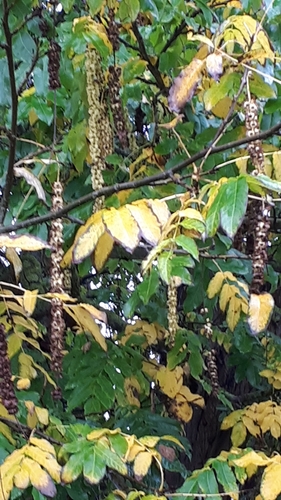
iNaturalist · cc-by-nc
(c) Egon Iversen, some rights reserved (CC BY-NC)
(c) Egon Iversen, some rights reserved (CC BY-NC)
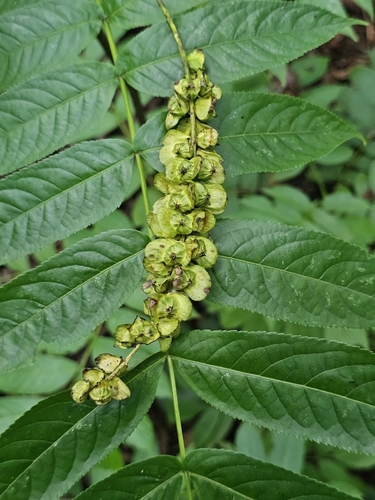
iNaturalist · cc-by-nc
(c) Markus Ackermann, some rights reserved (CC BY-NC)
(c) Markus Ackermann, some rights reserved (CC BY-NC)
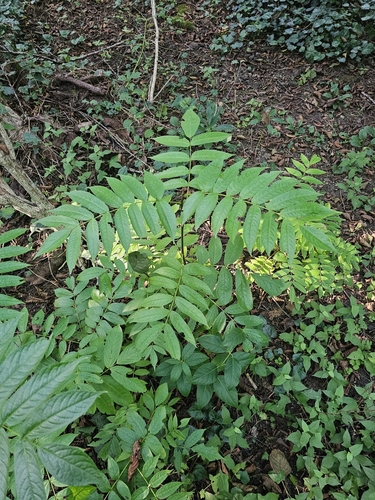
iNaturalist · cc-by-nc
(c) Markus Ackermann, some rights reserved (CC BY-NC)
(c) Markus Ackermann, some rights reserved (CC BY-NC)
What to Eat
Edible parts: Nuts
The nuts are edible.
Where to Find It
It is a temperate plant.
Asia, Japan,
Countries: United Arab Emirates, Afghanistan, Armenia, Azerbaijan, Bangladesh, Bahrain, Brunei, Bhutan, China, Georgia, Indonesia, Israel, India, Iraq, Iran, Jordan, Japan, Kyrgyzstan, Cambodia, North Korea, South Korea, Kuwait, Kazakhstan, Laos, Lebanon, Sri Lanka, Myanmar, Mongolia, Maldives, Malaysia, Nepal, Oman, Philippines, Pakistan, Qatar, Saudi Arabia, Singapore, Syria, Thailand, Tajikistan, Timor-Leste, Turkmenistan, Turkey, Taiwan, Uzbekistan, Vietnam, Yemen
How to Identify
A deciduous tree in the Juglandaceae family native to temperate regions of Asia. There are 6 Pterocarya species.
Notes
There are 6 Pterocarya species. They occur in Asia.
References (4)
- Hedrick, U.P., 1919, (Ed.), Sturtevant's edible plants of the world. p 534
- Heywood, V.H., Brummitt, R.K., Culham, A., and Seberg, O. 2007, Flowering Plant Families of the World. Royal Botanical Gardens, Kew. p 175 (Genus)
- Menninger, E.A., 1977, Edible Nuts of the World. Horticultural Books. Florida p 7
- Verz. Pfl. Casp. Meer. 134. 1831
More from Juglandaceae
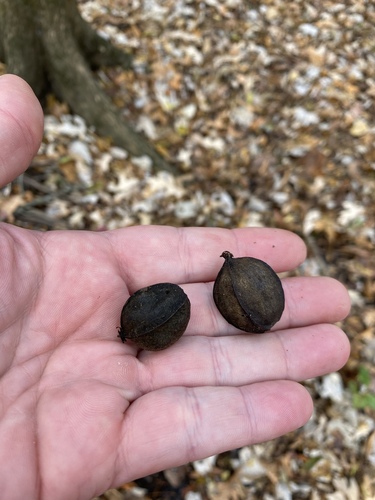
Carya aquatica
Water hickory, Swamp hickory, Bitter pecan

Carya buckleyi
No photo
Carya californica
California walnut

Carya carolinae-septentrionalis - (Ashe.)Engelm.&Graebn.
Southern Shagbark, Southern shagbark hickory

Carya cathayensis
Chinese Hickory

Carya cordiformis
Bitternut, Swamp hickory, Bitternut hickory