Pyrus turcomanica
Maleou.
Turkmen pear-tree
(c) ruslan, some rights reserved (CC BY-NC), uploaded by ruslan
(c) ruslan, some rights reserved (CC BY-NC), uploaded by ruslan
(c) ruslan, some rights reserved (CC BY-NC), uploaded by ruslan
What to Eat
Edible parts: Fruit
The fruit is sweet with a resinous taste and can be eaten raw or cooked.
Where to Find It
It is a temperate plant.
Asia, Iran, Uzbekistan,
How to Identify
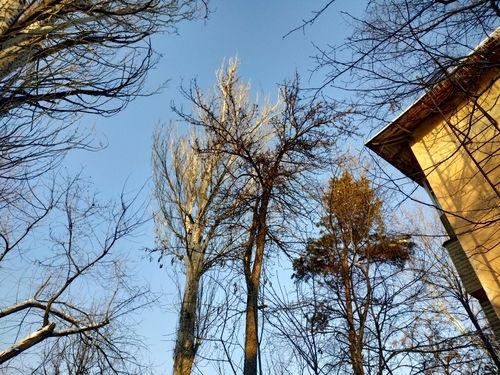
A tree. It grows 10-15 m tall. The crown is broad and round. The leaves are oval and 2.5-5 cm long by 2-4 cm wide. The fruit is round and 2.5 cm across.
How to Grow
We have very little information on this species and do not know if it will be hardy in Britain, though judging by its native range it should succeed outdoors in most parts of this country. The following notes are based on the general needs of the genus. Prefers a good well-drained loam in full sun. Grows well in heavy clay soils. Tolerates light shade but does not fruit so well in such a position. Tolerates atmospheric pollution, excessive moisture and a range of soil types if they are moderately fertile. Established plants are drought tolerant.
Propagation: Seed is best sown in a cold frame as soon as it is ripe in autumn, when it will typically germinate in mid to late winter. Stored seed requires 8–10 weeks of cold stratification at 1°c and should be sown as early in the year as possible. Temperatures above 15–20°c can induce secondary dormancy. Prick out seedlings into individual pots when large enough to handle and grow on in light shade in a cold frame or greenhouse for their first year. Plant out in late spring or early summer the following year.
Medicinal Uses
None known
Other Uses
None known
Wikipedia
A deciduous tree reaching 15 m tall with a spreading habit. Hermaphroditic flowers are insect-pollinated. Adapts to light sandy, medium loamy, and heavy clay soils with good drainage; tolerates mildly acid, neutral, and mildly alkaline pH. Grows in semi-shade or full sun, prefers dry to moist conditions, and handles drought and atmospheric pollution well.
References (2)
- Plants for a Future database, The Field, Penpol, Lostwithiel, Cornwall, PL22 0NG, UK. http://www.scs.leeds.ac.uk/pfaf/
- Zamani, A., et al, 2012, A synopsis of the genus Pyrus (Rosaceae) in Iran. Nordic Journal of Botany 30: 310–332
More from Rosaceae


