Raphanus sativus
L.
Radish
(c) Kinmatsu Lin, some rights reserved (CC BY-NC)
(c) Sarah Wilson, some rights reserved (CC BY-NC)

(c) ashleyvizcarra, some rights reserved (CC BY-NC)
What to Eat
Edible parts: Roots, Leaves, Herb, Fruit, Vegetable, Flowers
Young leaves can be eaten raw or cooked. They have a somewhat hot taste and a coarse texture but make an acceptable chopped salad addition in small quantities and work as a reasonable cooked green. A nutritional analysis is available. Young flower clusters are eaten raw or cooked — spicy with a crisp, pleasant texture, they suit salads or can be used as a broccoli substitute. Seeds can be soaked for 12 hours in warm water, then sprouted for about 6 days; they have a hot, spicy flavour and go well in salads. Young seedpods are eaten raw — crisp, juicy, and mildly hot, but must be used while young as they quickly become tough and fibrous. The root is eaten raw or cooked: crisp and juicy with a hot, spicy flavour, it is a very popular salad ingredient. Summer-crop roots store poorly and should be used promptly after harvest. Winter varieties, including Japanese forms, produce much larger, often milder roots that store well and can be harvested in early winter for storage or as needed through winter. An edible oil is obtained from the seed. Nutritional composition of leaves (dry weight, per 100g): 287 calories; water 0%; protein 28.7g; fat 5.2g; carbohydrate 49.6g; fibre 9.6g; ash 16.5g; calcium 1913mg; phosphorus 261mg; iron 35.7mg; sodium 956mg; potassium 4348mg; vitamin A 21mg; thiamine (B1) 0.7mg; riboflavin (B2) 2.43mg; niacin 34.8mg; vitamin C 704mg. Note: vitamin A is given in mg, not IU.
Known Hazards
Where to Find It
A temperate plant. It grows from the coast up to at least 2400 m in the tropics. It grows best in a cool climate of about 15°C. It is frost resistant. It suits hardiness zones 6-9. In Yunnan.
Africa, Andorra, Angola, Arabia, Argentina, Asia, Australia, Austria, Bahrain, Balkans, Bangladesh, Barbados, Benin, Bhutan, Brazil, Britain, Cape Verde, Central Africa, Central America, Central Asia, Chile, China, Cook Islands, Costa Rica, Cuba, Dominican Republic, East Africa, Ecuador, Egypt, Eritrea, Ethiopia, Europe, Fiji, Georgia, Greece, Guam, Guyana, Haiti, Hawaii, Himalayas, India, Indochina, Italy, Japan, Kazakhstan, Kenya, Kiribati, Korea, Kyrgyzstan, Macedonia, Madagascar, Malawi, Mali, Marquesas, Mediterranean, Mexico, Middle East, Mozambique, Myanmar, Nepal, Netherlands, Niger, Nigeria, North Africa, North America, Northeastern India, Pacific, Pakistan, Paraguay, Papua New Guinea, PNG, Philippines, Portugal, Qatar, Rotuma, Russia, Sao Tome and Principe, Saudi Arabia, SE Asia, Serbia, Sikkim, Slovenia, Somalia, South Africa, Southern Africa, South America, Spain, St. Vincent and Grenadines, Switzerland, Taiwan, Tajikistan, Tanzania, Tasmania, Thailand, Tonga, Turkey, Türkiye, Uruguay, USA, Uzbekistan, Vanuatu, Vietnam, West Africa, West Indies, Zimbabwe,
How to Identify
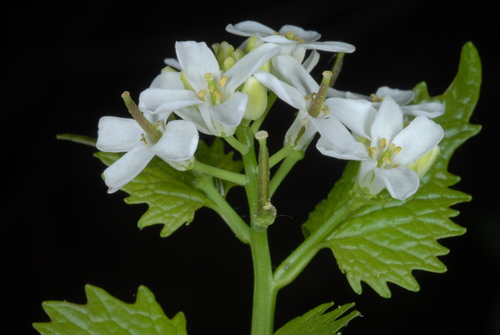
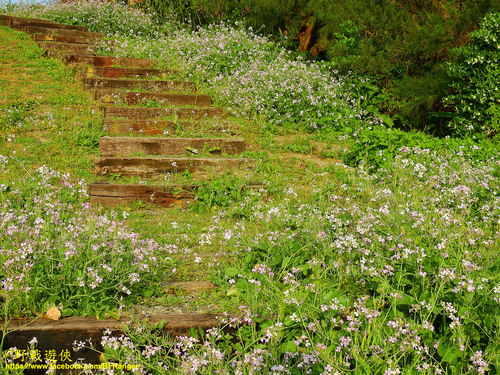
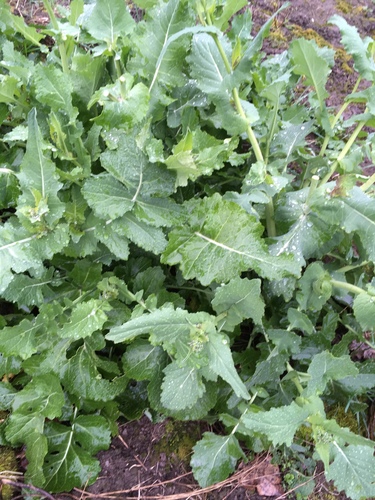
A cabbage family herb. It is a small quick growing plant with a thickened edible root. The leaves are divided along the middle nerve and are hairy. The end lobe is largest. The flowers are white or lilac with purple veins. The fruit is a pod. It is round in cross section and does not open at maturity. It is constricted between the seeds. The fattened roots can be red, white, purple or black. They can be round, oblong or long and narrow. There are several cultivated varieties especially in China.
Nutrition Score: 65/100
| Part | Moisture | kJ | kcal | Protein | Vit A | Vit C | Iron | Zinc |
|---|---|---|---|---|---|---|---|---|
| Seed | 6.3 | 2097 | 501 | 18.6 | — | — | — | — |
| Seed - sprouted | 90.1 | 180 | 43 | 3.8 | 39 | 28.9 | 0.9 | 0.6 |
| Root - raw | 93.3 | 62 | 15 | 1 | — | 25 | 1.9 | 0.1 |
| Leaves | 93.8 | — | — | — | 56 | — | 0.7 | — |
How to Grow
Very easily cultivated fast-growing plants which prefer a rich light soil with ample moisture. They dislike very heavy or acid soils. Plants are susceptible to drought and require irrigation during dry spells in the summer or the root quality will rapidly deteriorate and the plant will go to seed. Radishes are widely cultivated for their edible roots. There are many named varieties that are able to supply edible roots all year round. Over the centuries a number of distinct groups have evolved through cultivation, these have been classified by the botanists as follows. A separate entry has been made for each group:- R. sativus. The common radish. Fast maturing plants with small roots that can be round or cylindrical and usually have red skins. They are grown primarily for their roots which in some varieties can be ready within three weeks from sowing the seed and are used mainly in salads. These are mainly grown for spring, summer and autumn use and can produce a crop within a few weeks of sowing. R. sativus caudatus. The rat-tailed radishes. This group does not produce roots of good quality, it is cultivated mainly for the edible young seedpods which are harvested in the summer. R. sativus niger. The Oriental and Spanish radishes. These are grown for their larger edible root which can be round or cylindrical and can be available throughout the winter. R. sativus oleiformis. The fodder radishes. These are grown mainly for their leaves and oil-rich seeds, they are used as a green manure or stock feed though they can also be eaten by people. The roots of these plants soon become fibrous, though they make acceptable eating when young. Radishes are a good companion plant for lettuces, nasturtiums, peas and chervil, tomatoes and cucumbers. They are said to repel cucumber beetles if planted near cucumber plants and they also repel the vine borers which attack squashes, marrows and courgettes. They grow badly with hyssop and with grape vines.
Propagation: Sow seed outdoors in situ in succession from late winter to midsummer. Germination takes place within a few days of sowing. For a continuous supply of roots, sow every 2–3 weeks.
Medicinal Uses
Radishes have long been cultivated as food but also offer a range of medicinal actions. The roots stimulate appetite and digestion, exerting a tonic and laxative effect on the intestines and indirectly stimulating bile flow. Most people find radish improves digestion, though some are sensitive to its acrid, robust action. The plant is used in the treatment of intestinal parasites. The leaves, seeds, and old roots are used for asthma and other chest complaints. Fresh leaf juice is diuretic and laxative. The seed is carminative, diuretic, expectorant, laxative, and stomachic, and is taken internally for indigestion, abdominal bloating, wind, acid regurgitation, diarrhoea, and bronchitis. The root is antiscorbutic, antispasmodic, astringent, cholagogue, digestive, and diuretic, and is crushed and applied as a poultice for burns, bruises, and smelly feet. Radishes are also considered an excellent food remedy for stone, gravel, and scorbutic conditions. The root is best harvested before the plant flowers, and its use is not recommended when the stomach or intestines are inflamed. The plant contains raphanin, which is antibacterial and antifungal, inhibiting the growth of Staphylococcus aureus, E. coli, streptococci, Pneumococci, and others. The plant also shows anti-tumour activity.
Other Uses
The growing plant repels beetles from tomatoes and cucumbers and is also useful against carrot root fly and various other insect pests. A more vigorous fodder variety exists that is used as a green manure.
Wikipedia
Source ↗Annual plant growing to 0.5 m tall and 0.2 m wide at rapid rate. Hardy to UK zone 3, not frost tender. Flowers June to August with seeds ripening July to September. Hermaphroditic, bee and fly pollinated. Grows in light sandy, medium loamy, and heavy clay soils in neutral to mildly alkaline pH. Tolerates semi-shade or full sun with preference for moist soil.
Production
Plants can be ready after 3 weeks.
Other Information
It is a commercially cultivated vegetable. In Papua New Guinea tried out by many people and not liked. A common temperate salad plant.
Notes
There are 8 Raphanus species.
Names & Synonyms
Cai cu, La-phug, Lobak, Luo bo, Meelay, Monla, Monla-u, Mula, Nabo silvestre, Papay yuyu, Rabanete, Rabanillo, Rabanito, Rabano, Radeisshu, Radijs, Radis, Ravanello, Rdeča redkvica, Rediska, Rettich
References (84)
- Ali, A. M. S., 2005, Homegardens in Smallholder Farming Systems: Examples from Bangladesh. Human Ecology, Vol. 33, No. 2 pp. 245-270
- Anderson, E. F., 1993, Plants and people of the Golden Triangle. Dioscorides Press. p 219
- Ara, R. I. T., 2015, Leafy Vegetables in Bangladesh. Photon eBooks. p 24
- Azam, F. M. S., et al, 2014, Are Famine Food Plants Also Ethnomedicinal Plants? An Ethnomedicinal Appraisal of Famine Food Plants of Two Districts of Bangladesh. Evidence-Based Complementary and Alternative Medicine Volume 2014, Article ID 741712, 28 pages
- Banga, O., 1979, Radish, in Simmonds N.W.,(ed), Crop Plant Evolution. Longmans. London. p 60
- Bernholt, H. et al, 2009, Plant species richness and diversity in urban and peri-urban gardens of Niamey, Niger. Agroforestry Systems 77:159-179
- Bianchini, F., Corbetta, F., and Pistoia, M., 1975, Fruits of the Earth. Cassell. p 74
- Blamey, M and Grey-Wilson, C., 2005, Wild flowers of the Mediterranean. A & C Black London. p 69
- Bodkin, F., 1991, Encyclopedia Botanica. Cornstalk publishing, p 871
- Burkill, H. M., 1985, The useful plants of west tropical Africa, Vol. 1. Kew.
- Burkill, I.H., 1966, A Dictionary of the Economic Products of the Malay Peninsula. Ministry of Agriculture and Cooperatives, Kuala Lumpur, Malaysia. Vol 2 (I-Z) p 1898
- Bussman, R. W., et al, 2021, Unity in diversity—food plants and fungi of Sakartvelo (Republic of Georgia), Caucasus. Journal of Ethnobiology and Ethnomedicine (2021) 17:72 p 8
- Cheifetz, A., (ed), 1999, 500 popular vegetables, herbs, fruits and nuts for Australian Gardeners. Random House p 92
- Chen, B. & Qiu, Z., Consumer's Attitudes towards Edible Wild Plants, Ishikawa Prefecture, Japan. p 24 www.hindawi.com/journals/ijfr/aip/872413.pdf
- Cundall, P., (ed.), 2004, Gardening Australia: flora: the gardener's bible. ABC Books. p 1133
- FAO, 1988, Traditional Food Plants, FAO Food and Nutrition Paper 42. FAO Rome p 424
- Farooq, S., et al, 2012, Ethnobotanical Studies of the Flora of Tehsil Birmal in South Waziristan Agency, Pakistan. Pak. J. Weed Sci. Res. 18(3): 277-291
- Flora of Australia, Volume 8, Lecythidales to Batales, Australian Government Publishing Service, Canberra (1982) p 248
- Flora of China. www.eFloras.org Volume 8
- Foo, J.T.S.(ed), 1996, A Guide to Common Vegetables. Singapore Science Foundation. p 48
- Fox, F. W. & Young, M. E. N., 1982, Food from the Veld. Delta Books. p 135
- French, B.R., 1986, Food Plants of Papua New Guinea, A Compendium. Asia Pacific Science Foundation p 121
- French, B.R., 2010, Food Plants of Solomon Islands. A Compendium. Food Plants International Inc. p 146
- Grubben, G. J. H. and Denton, O. A. (eds), 2004, Plant Resources of Tropical Africa 2. Vegetables. PROTA, Wageningen, Netherlands. p 442
- GUPTA,
- Hadfield, J., 2001, The A-Z of Vegetable Gardening in South Africa. Struik p 120
- Hedrick, U.P., 1919, (Ed.), Sturtevant's edible plants of the world. p 549
- Herklots, G. A. C., 1972, Vegetables in South-East Asia. Allen & Unwin. p 139
- Heywood, V. H. & Zohary, D.,1995, A Catalogue of the Wild Relatives of Cultivated Plants Native to Europe. Flora Mediterranea 5 - 1995, p 391
- http://www.botanic-gardens-ljubljana.com/en/plants
- Hu, Shiu-ying, 2005, Food Plants of China. The Chinese University Press. p 417
- Jardin, C., 1970, List of Foods Used In Africa, FAO Nutrition Information Document Series No 2.p 97
- Jha, P. K., et al, 1996, Plant genetic resources of Nepal: A guide for plant breeders of agricultural, horticultural and forestry crops. Euphytica 87:189-210
- Kapelle, M., et al, 2000, Useful plants within a Campesino Community in a Costa Rican Montane Cloud Forest. Mountain Research and Development, 20(2): 162-171.
- Karthi, Sathya, & Salome, 2014, Uncultivated Edible Greens from Small Millet Farms Tamil Nadu India. IDRC
- Kay, D.E., 1973, Root Crops, Digest 2, Tropical Products Institute, London, p 127
- Kays, S. J., and Dias, J. C. S., 1995, Common Names of Commercially Cultivated Vegetables of the World in 15 languages. Economic Botany, Vol. 49, No. 2, pp. 115-152
- Khanal, R., et al, 2014, Documenting abundance and use of underutilized plant species in the mid hill region of Nepal. ECOPRINT 21: 63-71, 2014
- Khodram,S. D., et al, 2019, Local knowledge of edible flowers used in Mizoram. Indian Journal of Traditional Knowledge Vol 18(40 pp 715-723
- Kiple, K.F. & Ornelas, K.C., (eds), 2000, The Cambridge World History of Food. CUP p 1842
- Kumar, A., et al, 2012, Ethnobotanical Edible Plant Biodiversity of Lepcha Tribes. Indian Forester, 138 (9):798-803
- Kuo, W. H. J., (Ed.) Taiwan's Ethnobotanical Database (1900-2000), http://tk.agron.ntu.edu.tw/ethnobot/DB1.htm
- Ladio, A., Lozada, M. & M. Weigandt, 2007, Comparison of traditional wild plant knowledge between aboriginal communities inhabiting arid and forest environments in Patagonia, Argentina. Journal of Arid Environments 69 (2007) 695–715
- Lazarides, M. & Hince, B., 1993, Handbook of Economic Plants of Australia, CSIRO. p 203
- Liu, Yi-tao, & Long, Chun-Lin, 2002, Studies on Edible Flowers Consumed by Ethnic Groups in Yunnan. Acta Botanica Yunnanica. 24(1):41-56
- Mabey, R., 1973, Food for Free. A Guide to the edible wild plants of Britain, Collins. p 66
- Macmillan, H.F. (Revised Barlow, H.S., et al), 1991, Tropical Planting and Gardening. Sixth edition. Malayan Nature Society. Kuala Lumpur. p 369
- Manandhar, N.P., 2002, Plants and People of Nepal. Timber Press. Portland, Oregon. p 391
- Medhi, P. & Borthakur, S. K., 2012, Phytoresources from North Cachur Hills of Assam -3: Edible plants sold at Hflong market. Indian Journal or Natural Products and Resources. 3(1) pp 84-109
- Miguel, E., et al, 1989, A checklist of the cultivated plants of Cuba. Kulturpflanze 37. 1989, 211-357
- Moerman, D. F., 2010, Native American Ethnobotany. Timber Press. p 469
- Norton, J., et al, 2009, An Illustrated Checklist of the Flora of Qatar. UNESCO Office in Doha.
- Ochse, J.J. et al, 1931, Vegetables of the Dutch East Indies. Asher reprint. p 178
- Omawale, 1973, Guyana's edible plants. Guyana University, Georgetown p 102
- Paczkowska, G. & Chapman, A.R., 2000, The Western Australian Flora. A Descriptive Catalogue. Western Australian Herbarium. p 188
- Pascual-Mendoza, S. et al, 2021, Traditional knowledge of edible plants in an indigenous community in the Sierra Norte of Oaxaca, Mexico. Plant Biosystems - An International Journal Dealing with all Aspects of Plant Biology
- Pham-Hoang Ho, 1999, An Illustrated Flora of Vietnam. Nha Xuat Ban Tre. p 606
- Plants for a Future database, The Field, Penpol, Lostwithiel, Cornwall, PL22 0NG, UK. http://www.scs.leeds.ac.uk/pfaf/
- Plants of Haiti Smithsonian Institute http://botany.si.edu
- Purseglove, J.W., 1968, Tropical Crops Dicotyledons, Longmans. p 96
- Rashid, H. E., 1977, Geography of Bangladesh. Westview. p 269
- Ruiters-Welcome, A. K., 2019, Food plants of southern Africa. Ph.D. thesis. Univ. of Johannesburg p 40
- Savita, et al, 2006, Studies on wild edible plants of ethnic people in east Sikkim. Asian J. of Bio Sci. (2006) Vol. 1 No. 2 : 117-125
- Schneider, E., 2001, Vegetables from Amaranth to Zucchini: The essential reference. HarperCollins. p 528
- Shah, S. K., 2014, Dietary contribution of underutilized minor crops and indigenous plants collected from uncultivated lands and forests in Nepal. in Promotion of Underutilized Indigenous Food Resources for Food Security and Nutrition in Asia and Pacific. FAO. Bangkok p 64 - leaves
- Sharma, B.B., 2005, Growing fruits and vegetables. Publications Division. Ministry of Information and broadcasting. India. p 211
- Sp. pl. 2:669. 1753
- Staples, G.W. and Herbst, D.R., 2005, A tropical Garden Flora. Bishop Museum Press, Honolulu, Hawaii. p 204
- Terra, G.J.A., 1973, Tropical Vegetables. Communication 54e Royal Tropical Institute, Amsterdam, p 70
- Thaman, R.R., 1976, The Tongan Agricultural System, University of the South Pacific, Suva, Fiji. p 421
- Thaman, R. R., 1987, Plants of Kiribati: A listing and analysis of vernacular names. Atoll Research Bulletin No. 296
- Tindall, H.D., 1983, Vegetables in the tropics. Macmillan p. 133
- Torre, de la, L., et al, 2008, Enciclopedia de las Plantas Útiles del Ecuador. Herbario QCA. Pontificia Universidad Católica del Ecuador. p 258
- Van Sam, H. et al, 2008, Uses and Conservation of Plant Species in a National Park. A case study of Ben En, Vietnam. Economic Botany 62:574-593
- van Wyk, B., 2005, Food Plants of the World. An illustrated guide. Timber press. p 318
- Vlkova, M., et al, 2015, Edible Plants Sold on Marginal Rural Markets in Fergana Valley, Southern Kyrgyzstan. Bulgarian Journal of Agricultural Science, 21 (No 2) 2015, 243–250
- Vorstenbosch, T., et al, 2017, Famine food of vegetal origin consumed in the Netherlands during World War II. Journal of Ethnobiology and Ethnomedicine (2017) 13:63
- Walter, A. & Lebot, V., 2007, Gardens of Oceania. ACIAR Monograph No. 122. p 283
- Welcome, A. K. & Van Wyk, B.-E., 2019, An inventory and analysis of the food plants of southern Africa. South African Journal of Botany 122 (2019) 136–179
- Wiersema, J. H. & Leon, B., 2013, World Economic Plants. A Standard Reference CRC Press. 2nd Ed. p 580
- Williamson, J., 2005, Useful Plants of Malawi. 3rd. Edition. Mdadzi Book Trust. p 213
- Yeshi, K. et al, 2017, Taxonomical Identification of Himalayan Edible Medicinal Plants in Bhutan and the Phenolic Contents and Antioxidant Activity of Selected Plants. TBAP 7 (2) 2017 pp 89 - 106
- Zeven, A. C. & de West, J. M. J., 1982, Dictionary of cultivated plants and their regions of diversity. Wageningen. p 35
- Zhou Taiyan, Lu Lianli, Yang Guang; Ihsan A. Al-Shehbaz, BRASSICACEAE (CRUCIFERAE), Flora of China.