Rubus arcticus
L.
Arctic bramble, Arctic raspberry

(c) abogomazova, some rights reserved (CC BY), uploaded by abogomazova
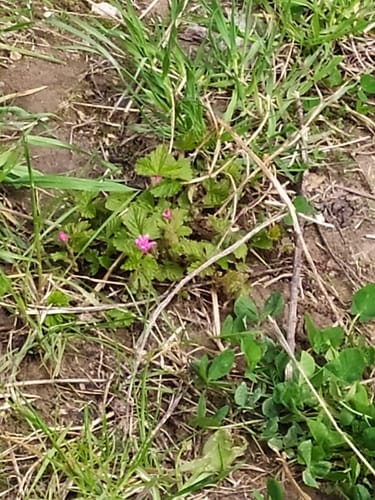
(c) ll r Ирина, some rights reserved (CC BY)
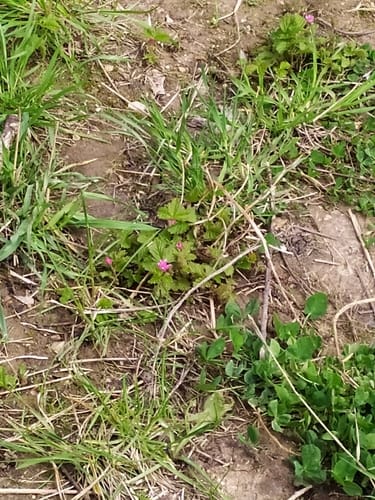
(c) ll r Ирина, some rights reserved (CC BY)
What to Eat
Edible parts: Fruit, Leaves - tea, Flowers
The fruit can be eaten raw or cooked and is very sweet, juicy, and palatable with a pineapple-like aroma. Delicious eaten out of hand, it is also used in cakes, jams, and similar preparations. In British garden conditions the plant often fruits poorly, likely because it prefers colder winters. The flowers are also edible raw and are sweet and delicious. Fresh or dried leaves can be used as a tea substitute.
Dangerous Lookalikes
This plant can be confused with the following toxic species. Always verify identification carefully before consuming any wild plant.


Red Baneberry: Short herbaceous plant (no thorns), berries on thick red stems, each berry has a single seed, compound sharply-toothed leaves.
Arctic bramble: Thorny woody canes (brambles), aggregate berry made of many drupelets, berries pull easily from receptacle.
Where to Find It
It is a cold temperate plant. It grows in Arctic climates. It grows in boggy woods and marshes at higher altitudes in Europe and Asia. In northern China it grows at about 1,200 m above sea level. It suits hardiness ones 1-7.
Alaska, Arctic, Asia, Australia, Britain, Canada, China, Europe, Finland, Japan, Korea, Mongolia, North America, Norway, Russia, Scandinavia, Siberia, Sweden, USA,
How to Identify
A small plant. It grows 15-30 cm high and spreads 45-60 cm wide. It keeps growing from year to year and has underground stems or rhizomes. The stems do not have prickles. The leaves are compound and on long stalks. There are 3-5 oval leaflets. They are smooth and have teeth along the edge. The flowers are red or pink and 25 mm across. They are in clusters of 1 to 3 and have purple stamens. The fruit are red and round.
How to Grow
Easily grown in a good well-drained loamy soil in a sunny position. A very variable species, it is sometimes divided into three species, viz.:- R. arcticus, R. acaulis and R. stellatus. Suitable for growing in containers. Most often in acidic soils rich in organic matter. Rubus arcticus subsp. x stellarcticus G.Larss. is an unresolved name This name is unresolved, but some data suggest that it is synonymous with Rubus × stellarcticus (G.Larss.) H.E.Weber , but some data suggest that it is an infraspecific name of Rubus arcticus L..
Propagation: Seed requires stratification and is best sown in early autumn in a cold frame. Stored seed needs one month stratification at about 3°c and should be sown as early as possible in the year. Prick out seedlings when large enough to handle and grow on in a cold frame, then plant out into permanent positions in late spring of the following year. Division can be done in early spring or just before leaf-fall in autumn. Larger divisions can go straight into permanent positions, while smaller divisions are best potted up and grown on in a lightly shaded cold frame before planting out once well established in summer.
Medicinal Uses
None known.
Other Uses
A purple to dull blue dye is obtained from the fruit.
Wikipedia
Source ↗Rubus arcticus, the Arctic bramble or Arctic raspberry, Nagoonberry, or nectarberry is a species of slow-growing bramble belonging to the rose family, found in Arctic and alpine regions in the Northern Hemisphere. It has been used to create hybrid cultivated raspberries, the so-called nectar raspberries.
Other Information
It is cultivated.
Notes
There are about 250 Rubus species.
Names & Synonyms
Aakerbaer, Alaska berry, Crimson bramble, Ezhevika, Fieldberry, Hepokka, Kniazhenika, Kumanika, Nagoonberry, Nectarberry, Plumboy, Polenika, Puyuraarat, Puyurnit, Tasr'iagoda
References (26)
- Ager, T. A. & Ager, L. P., 1980, Ethnobotany of the eskimos of Nelson Island, Alaska. Arctic Anthropology Vol 17. No. 1 pp 26-48
- Beckstrom-Sternberg, Stephen M., and James A. Duke. "The Foodplant Database." http://probe.nalusda.gov:8300/cgi-bin/browse/foodplantdb.(ACEDB version 4.0 - data version July 1994)
- Bowser, M., 2017, Handout on Edible Plants of the Kenai Peninsula. USFWS Kenai National Wildlife Refuge p 18
- Cundall, P., (ed.), 2004, Gardening Australia: flora: the gardener's bible. ABC Books. p 1283
- Facciola, S., 1998, Cornucopia 2: a Source Book of Edible Plants. Kampong Publications, p 208
- Flora of China @ efloras.org Volume 9
- Girard, N. J., 2020, Sustainable Foraging of Wild Edible Plants in Norway. A Biocultural Approach. M. Sc. thesis Norwegian University. p 135
- Hakkinen, S. H., et al, 1999, Content of the Flavonols Quercetin, Myricetin, and Kaemferol in 25 Edible Berries. Journal of Agricultural and Food Chemistry. 47: 2274-2279
- Hedrick, U.P., 1919, (Ed.), Sturtevant's edible plants of the world. p 574
- Heller, C. A., 1962, Wild Edible and Poisonous Plants of Alaska. Univ. of Alaska Extension Service. p 44
- Jennings, D.L., 1979, Raspberries and blackberries, in Simmonds, N.W., (ed), Crop Plant Evolution. Longmans. London. p 254
- Jernigan, K. (Ed.), 2012, A Guide to the Ethnobotany of the Yukon-Kuskokwim Region. Draft.
- Johansson, A., Laakso, P. and Kallio, H., 1997, Characterization of seed oils of wild, edible Finnish berries. Food Chemistry 204:300-307
- Jones, A., 2010, Plants that we eat. University of Alaska Press. p 128
- Kermath, B. M., et al, 2014, Food Plants in the Americas: A survey of the domesticated, cultivated and wild plants used for Human food in North, Central and South America and the Caribbean. On line draft. p 758
- Kolosova, V., et al, 2020, Foraging in Boreal Forest: Wild Food Plants of the Republic of Karelia, NW Russia. Foods 2020, 9, 1015; p 20
- MacKinnon, A., et al, 2009, Edible & Medicinal Plants of Canada. Lone Pine. p 94
- Moerman, D. F., 2010, Native American Ethnobotany. Timber Press. p 487
- Plants for a Future database, The Field, Penpol, Lostwithiel, Cornwall, PL22 0NG, UK. http://www.scs.leeds.ac.uk/pfaf/
- Scotter, G. W., & Flygare, H., 1993, Wildflowers of the Canadian Rockies. Hurtig. p 110
- Sp. pl. 1:494. 1753
- Uphof,
- USDA, ARS, National Genetic Resources Program. Germplasm Resources Information Network - (GRIN). [Online Database] National Germplasm Resources Laboratory, Beltsville, Maryland. Available: www.ars-grin.gov/cgi-bin/npgs/html/econ.pl (10 April 2000)
- Wiersema, J. H. & Leon, B., 2013, World Economic Plants. A Standard Reference CRC Press. 2nd Ed. p 597
- Williams, D., 2017, Ainu Ethnobiology. Contributions in Ethnobiology. Society of Ethnobiology. p 140
- World Checklist of Useful Plant Species 2020. Royal Botanic Gardens, Kew
More from Rosaceae


