Rubus minusculus
L. Lév. & Vaniot
RosaceaeFruit
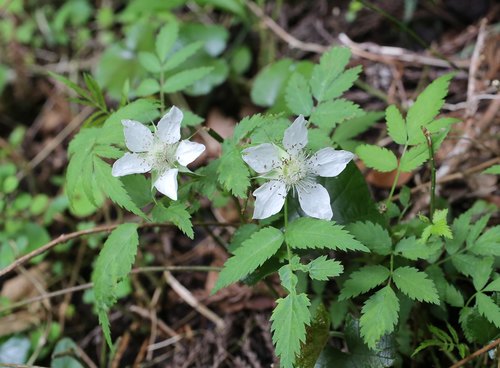
iNaturalist · cc-by-nc
(c) 空猫 T. N, some rights reserved (CC BY-NC), uploaded by 空猫 T. N
(c) 空猫 T. N, some rights reserved (CC BY-NC), uploaded by 空猫 T. N
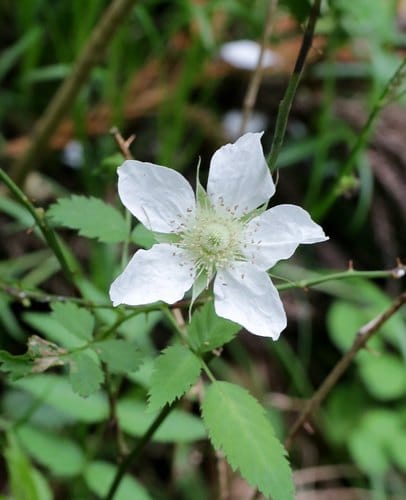
iNaturalist · cc-by-nc
(c) 空猫 T. N, some rights reserved (CC BY-NC)
(c) 空猫 T. N, some rights reserved (CC BY-NC)
What to Eat
Edible parts: Fruit
The fruit are eaten.
Dangerous Lookalikes
This plant can be confused with the following toxic species. Always verify identification carefully before consuming any wild plant.
DEADLY

Red Baneberry
Actaea rubra
SAFE
Rubus minusculus
Rubus minusculus


Red Baneberry: Short herbaceous plant (no thorns), berries on thick red stems, each berry has a single seed, compound sharply-toothed leaves.
Rubus minusculus: Thorny woody canes (brambles), aggregate berry made of many drupelets, berries pull easily from receptacle.
Where to Find It
It is a temperate plant.
Asia, Japan,
Countries: United Arab Emirates, Afghanistan, Armenia, Azerbaijan, Bangladesh, Bahrain, Brunei, Bhutan, China, Georgia, Indonesia, Israel, India, Iraq, Iran, Jordan, Japan, Kyrgyzstan, Cambodia, North Korea, South Korea, Kuwait, Kazakhstan, Laos, Lebanon, Sri Lanka, Myanmar, Mongolia, Maldives, Malaysia, Nepal, Oman, Philippines, Pakistan, Qatar, Saudi Arabia, Singapore, Syria, Thailand, Tajikistan, Timor-Leste, Turkmenistan, Turkey, Taiwan, Uzbekistan, Vietnam, Yemen
How to Identify
A temperate shrub in the Rosaceae family, belonging to a genus of approximately 250 species known for their edible berries.
Notes
There are about 250 Rubus species.
References (2)
- Bull. Soc. Agric. Sarthe 40:63. 1905
- Plants for a Future database, The Field, Penpol, Lostwithiel, Cornwall, PL22 0NG, UK. http://www.scs.leeds.ac.uk/pfaf/
More from Rosaceae

Acaena anserinifolia
Bidgee widgee, Buzzy, New Zealand Bur
No photo
Acaenia anserinifolia - (J.R.Forst.&G.Forst.)Druce.
Pirri-Pirri Bur

Adenostoma sparsifolium
Red shanks, Ribbonwood

Agrimonia eupatoria
Agrimony, Salt and Pepper

Agrimonia odorata
Adour agrimony, Liver-wort

Agrimonia pilosa
Indian chestnut, Agrimony